
If you’ve spent more than five minutes on TikTok lately, you’ve probably seen some influencer with a $50 linen-bound planner and a set of pastel highlighters explaining exactly how to plan your day using a method that looks more like an art project than a schedule. Honestly? It’s exhausting. I grew up in a tiny apartment where if something didn’t serve a purpose, it was gone, and I brought that same mindset to my desk. I don’t have time for “aesthetic” time-blocking that requires a degree in graphic design just to figure out when I’m supposed to eat lunch. Most of those “productivity hacks” are just expensive distractions designed to make you feel busy without actually getting anything done.
I’m not here to sell you on a lifestyle of perfect morning routines or color-coded calendars that fall apart the second a server crashes at work. I’m going to show you the gritty, functional way I manage my chaos using tools that actually work and cost almost nothing. We’re going to focus on ruthless prioritization and systems that survive real-world interruptions. By the end of this, you won’t have a prettier notebook, but you will actually know what to do when you wake up.
Ditch the Fluff Time Management Techniques That Actually Save Time

Look, if you’re spending forty minutes color-coding a digital calendar just to feel like you’re “being productive,” you’re actually just procrastinating. I see this all the time—people obsessed with aesthetic planners that look great on a desk but do zero to help them actually finish a project. Real time management techniques aren’t about pretty fonts; they’re about ruthless elimination. I personally swear by the “Rule of Three.” Every morning, I pick three—and only three—non-negotiable tasks. Everything else is just a bonus. If it doesn’t move the needle on my actual job or my rent, it doesn’t get my prime energy.
When it comes to how to prioritize tasks, you have to stop treating every notification like a five-alarm fire. I use a modified version of the Eisenhower Matrix, but stripped down. I categorize things into “do it now,” “schedule it,” or “trash it.” If a task takes less than two minutes, I do it immediately so it stops taking up mental bandwidth. That’s the secret to overcoming procrastination with scheduling: stop overthinking the “perfect” system and just start moving. If a tool or a method feels like it’s adding more work to your plate instead of taking it off, toss it.
How to Prioritize Tasks Without the Mental Exhaustion
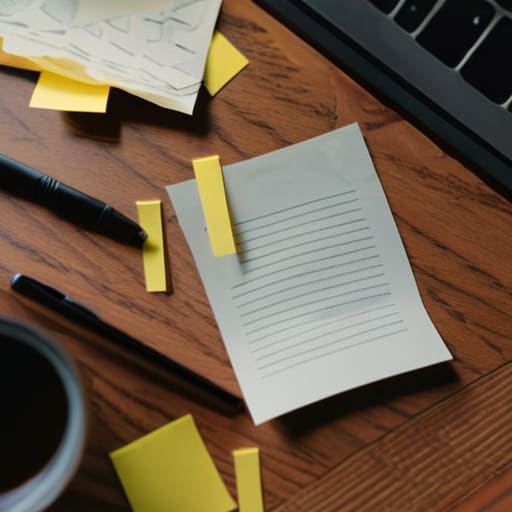
Look, the reason you’re feeling burnt out by 2 PM isn’t because you’re lazy; it’s because your to-do list looks like a chaotic dumping ground for every random thought you’ve had since breakfast. If you try to treat every single item like an emergency, you’re going to crash. When I’m staring down a massive server migration at work, I don’t look at the fifty tiny sub-tasks; I look at the one thing that will break everything if it isn’t done. You need to do the same. Stop trying to find the perfect productivity hacks for daily routine and just start ruthlessly cutting the dead weight.
Instead of a massive list, try the “Rule of Three.” Pick three non-negotiable tasks that actually move the needle. Everything else is just noise. When you’re figuring out how to prioritize tasks without losing your mind, you have to accept that some things simply won’t get done today, and that’s fine. I’ve learned that perfectionism is just procrastination in a fancy suit. If you spend two hours color-coding a digital calendar instead of actually doing the work, you’ve failed. Focus on the output, not the organization.
My No-BS Rules for Building a Schedule That Doesn't Break
- Stop overstuffing your calendar. I used to think a packed schedule meant I was being productive, but it just meant I was failing at everything by 2 PM. Pick three non-negotiable tasks for the day. If you finish them, cool, you can do more. If not, at least you actually moved the needle on the stuff that matters.
- Use “Time Buffers” or you’re lying to yourself. If you think a task takes thirty minutes, budget forty-five. Between unexpected system errors at work or just needing a second to breathe, those extra fifteen minutes are the only thing keeping your entire day from collapsing like a house of cards.
- Batch your low-brainpower tasks. Don’t answer one email, then write one line of code, then check a notification. It’s a massive waste of mental energy. Group all your admin stuff—emails, paying bills, cleaning your desk—into one single block so you don’t have to constantly switch gears.
- Prep the night before so your morning brain doesn’t have to work. I don’t mean some elaborate “night routine” with candles and journals; I mean literally just looking at your list and setting out what you need. It saves you from that paralyzing “what do I do now?” feeling when you first wake up.
- Forget the aesthetic planners. If you’re spending more time picking out highlighters and stickers than actually doing the work, you’re doing it wrong. Use a basic digital calendar or a cheap notebook. The tool doesn’t matter; the execution does.
The Bottom Line: Stop Planning, Start Doing
If your “system” takes more than ten minutes to set up every morning, it’s a distraction, not a tool—keep your planning as lean as possible.
Prioritize based on impact, not urgency; don’t let a mountain of tiny, meaningless tasks trick you into thinking you’ve actually been productive.
Accept that some days will be total chaos, and that’s fine—just focus on hitting your top three essentials and call it a win.
Stop Overthinking and Just Start
Look, at the end of the day, planning your day isn’t about having a color-coded masterpiece or a digital setup that looks like a sci-fi movie. It’s about stripping away the noise. We talked about ditching the useless time management fluff, identifying the tasks that actually move the needle, and protecting your brain from total burnout. If you can’t explain your plan in under thirty seconds, it’s too complicated. You don’t need a fancy app or a $40 leather-bound journal; you just need a way to capture your priorities and a realistic view of how much time you actually have before your next shift or meal. Keep it functional, keep it simple, and keep it moving.
I know it’s tempting to wait for that “perfectly organized” Monday to start fresh, but that’s just another way of procrastinating. Life is messy, my apartment is a constant battle between my herb garden and my tech gear, and your schedule is going to break sometimes—that’s just reality. The goal isn’t to achieve some impossible level of perfection; it’s to build a system that survives the chaos. Stop waiting for the stars to align and just build a framework that works for you. Once you stop chasing the aesthetic of being “productive” and start focusing on actual execution, everything gets a whole lot easier.
Frequently Asked Questions
I tried using a digital calendar but I keep getting distracted by notifications; is there a way to plan my day without being glued to my phone?
Look, I get it. Digital calendars are great until your phone turns into a slot machine of distractions. If you’re constantly getting sucked into notifications, go old school: get a physical planner or just a cheap notebook and a pen. Write your top three must-dos for the day, keep that notebook on your desk, and put your phone in another room or on “Do Not Disturb.” If it’s not on the paper, it doesn’t exist.
How do I deal with it when my entire plan falls apart halfway through the day because of an unexpected work crisis?
Look, I’ve been there. A server goes down or a deadline shifts, and suddenly your “perfect” schedule is trash. Don’t spiral. When the crisis hits, stop trying to salvage the original list. Grab a scrap of paper, write down the one thing that absolutely must happen to prevent a total meltdown, and ignore everything else. You aren’t failing; you’re pivoting. Once the dust settles, reassess. If it wasn’t urgent, it can wait until tomorrow.
Is it actually worth spending money on fancy planners, or can I just use a scrap of paper and a pen?
Look, if you’re buying a $50 linen-bound planner because it looks “aesthetic” on your desk, you’re wasting money. I grew up having to make do with whatever was around, and honestly? A scrap of paper and a pen works just fine. The tool doesn’t do the work; you do. If a cheap notebook gets the job done and keeps you organized without the price tag, stick to that. Don’t let marketing sell you productivity.
How much time should I realistically spend planning my day so I don't end up just "productive procrastination" instead of actually working?
Look, if you’re spending forty minutes color-coding a digital calendar, you aren’t planning—you’re procrastinating. I used to do that to avoid actually touching my tickets. Realistically? Give yourself 10 to 15 minutes max. Grab a scrap of paper or a basic notes app, list your non-negotiables, and get moving. If the plan takes longer to make than the task takes to do, your system is broken. Plan fast, then execute.