
I grew up in a tiny apartment where the smell of last night’s garlic pasta would basically haunt the hallway for three business days. I used to think the solution was buying those overpriced, “luxury” scented candles or those aggressive aerosol sprays that just end up making your place smell like artificial lavender-flavored chemicals. Honestly, that’s just masking the problem and wasting your paycheck. If you’re actually looking for how to get rid of household odors without turning your living room into a perfume showroom, you need to stop chasing scents and start attacking the source.
I’m not going to give you a list of aesthetic lifestyle hacks that require a trip to a boutique shop. Instead, I’m sharing the gritty, functional methods I’ve used to keep my space smelling clean on a literal shoestring budget. We’re talking about using stuff you probably already have in your pantry to actually neutralize the funk, not just hide it. No fluff, no expensive subscriptions, just straight-up solutions that work so you can get back to your actual life.
Ditch the Sprays Natural Air Fresheners for Home That Actually Work
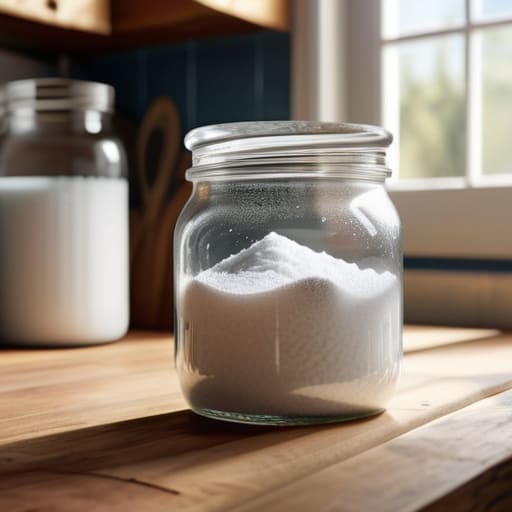
Look, I’m tired of seeing those aesthetic “scent diffuser” setups on my feed that cost fifty bucks and do nothing but add clutter to my desk. If you want real results without the chemical headache, stop buying those aerosol sprays that just mask the problem with a heavy layer of fake lavender. Instead, lean into baking soda odor absorption. I keep a couple of small, open jars of baking soda in my pantry and near the trash can; it actually pulls the scent out of the air rather than just layering perfume over garbage. It’s cheap, it’s functional, and it actually works.
If you’re dealing with something more stubborn, like cleaning pet odors from carpets, don’t reach for the heavy-duty chemical cleaners first. Sprinkle some baking soda directly onto the rug, let it sit for a bit while you’re doing something else, and then vacuum it up. For a more immediate vibe, I use a few drops of essential oils for home scenting in a simple spray bottle with water. It’s not about making your apartment smell like a five-star spa; it’s about improving indoor air quality so you can actually breathe without feeling like you’re living inside a scented candle.
The Science of Baking Soda Odor Absorption Without the Waste
Look, I’m not a chemist, but I know how stuff works because I’ve had to troubleshoot everything from glitchy servers to a literal mold problem in my tiny apartment. Here’s the deal with baking soda: it isn’t just some “earthy” alternative to a chemical spray; it’s actually functional because it’s chemically basic. Most of those gross smells in your house—think spoiled milk or sweaty gym bags—are acidic. When you use baking soda odor absorption, the powder actually neutralizes those acid molecules instead of just masking them with a heavy, fake floral scent.
If you’re trying to deal with eliminating kitchen smells after cooking something particularly pungent, don’t just sprinkle it and walk away. I usually keep a small, open jar in the back of the pantry or near the trash can. It’s a low-effort way of improving indoor air quality without spending twenty bucks on a plug-in diffuser that just makes your house smell like “Artificial Lavender Chaos.” It’s cheap, it’s effective, and it doesn’t leave a weird film on your surfaces. Just swap the powder out every month or so once it’s saturated, and you’re good to go. No fluff, just science.
Stop Masking the Problem: 5 Real Ways to Actually Kill Smells
- Stop ignoring your trash can. If you aren’t washing the actual plastic bin with soap and water once a month, you’re just moving stinky liquid around. Pro tip: drop a few pieces of crumpled newspaper or a bit of baking soda at the bottom before you put the liner in to catch the leaks.
- Your textiles are basically giant scent sponges. If your apartment smells “musty,” it’s probably your rug or your couch. Don’t bother with fancy fabric refreshers; just sprinkle baking soda over the surface, let it sit while you do something else, and vacuum it up. It pulls the odor out instead of just layering perfume on top of it.
- Clean your drains, seriously. That weird swamp smell is usually just organic gunk stuck in the P-trap. Skip the caustic chemicals that mess up your pipes; just pour some boiling water down there, followed by a cup of baking soda and some white vinegar. Let it fizz, wait ten minutes, and flush it again. It’s cheap and actually clears the blockage.
- Check your fridge’s “dead zones.” We all have that one corner where a forgotten bag of spinach goes to die. Beyond just tossing the rot, keep an open box of baking soda in the back. It’s a small investment that prevents your leftover pizza from tasting like onions.
- Manage your airflow like a pro. If you’re just running a fan in a closed room, you’re just swirling the stink around. You need cross-ventilation. Open two windows on opposite sides of the room for even fifteen minutes a day. It forces the stale, smelly air out and brings actual fresh air in. It’s free, and it works better than any plug-in air purifier.
The Bottom Line on Keeping Your Space Smelling Clean
Stop masking smells with chemical sprays that just create a weird “floral-meets-garbage” scent; focus on neutralizing the actual source instead.
Keep a box of baking soda on hand for high-traffic spots like carpets or near trash cans—it’s cheaper than any boutique air freshener and actually does the job.
If a “hack” requires you to buy a specialized gadget you’ll only use once, skip it. Stick to functional, multi-purpose items you already have in your pantry.
Stop Chasing Scents and Start Solving Problems
Look, we’ve covered a lot, but the takeaway is simple: stop trying to mask smells with more chemicals and start actually neutralizing them. Whether you’re using baking soda to pull moisture and funk out of your carpets or ditching those overpriced, toxic aerosol sprays for simple, natural alternatives, the goal is the same. You don’t need a ten-step luxury cleaning ritual or a cabinet full of neon-colored bottles to make your space livable. You just need to identify the source, apply a functional solution that doesn’t break the bank, and keep things moving. If it doesn’t save you money or stop the smell at the root, it’s just clutter you don’t need.
At the end of the day, your home should be a place where you can actually breathe, not a showroom for expensive air fresheners. I grew up in a space where every cent mattered, and I learned early on that efficiency beats aesthetics every single time. Managing your environment isn’t about achieving some Pinterest-perfect scent profile; it’s about maintaining a space that works for you without draining your bank account. So, grab your multi-tool, grab some baking soda, and stop overcomplicating the basics. You’ve got better things to do with your time than chasing synthetic floral scents around a room.
Frequently Asked Questions
How often do I actually need to swap out the baking soda so it doesn't just become a useless pile of powder?
Look, if you’re using baking soda to tackle heavy-duty smells—like that lingering garlic scent in your kitchen or a damp basement vibe—swap it out every month. If you’re just keeping a small jar in the fridge to catch random odors, you can stretch it to every two or three months. Honestly, if the powder starts looking clumpy or feels “heavy,” it’s done its job. Dump it, clean the container, and start fresh. Don’t overthink it.
Can I use these same tricks for my mechanical keyboard or tech setup without risking damage to the components?
Whoa, hold up. Do NOT touch your keyboard with baking soda or wet DIY concoctions. I love a good hack, but we’re talking about electronics here, not a smelly rug. Fine powders like baking soda can get into your switches and absolutely wreck them, and moisture is a death sentence for your PCB. For tech, stick to high-percentage isopropyl alcohol and compressed air. Keep the DIY cleaning for your kitchen; keep your gear dry and safe.
Is there a way to get rid of smells in a small apartment without making everything smell like a literal bakery?
I totally get it. I grew up in a tiny studio where if I boiled cinnamon sticks, the whole place smelled like a craft store for three days. It’s overwhelming. Stick to neutralizers, not scent-maskers. Use activated charcoal bags in your closet or near the trash—they’re silent, invisible, and they actually pull the funk out of the air instead of just layering perfume on top of it. Keep it clean, not scented.
What's the most efficient way to tackle deep-seated smells in fabrics like rugs or old couches without spending a fortune on professional cleaners?
Don’t call a professional unless there’s a literal biohazard. For rugs or couches, the “deep clean” is actually just a heavy-duty deodorizing session. Sprinkle a thick layer of baking soda over the fabric, let it sit for at least four hours (overnight is better if you can), and then vacuum the hell out of it. If it’s really stubborn, mix white vinegar with water in a spray bottle, mist it lightly—don’t soak it!—and let it air dry.