Stop scrolling through those aesthetic TikToks of “wellness sanctuaries” filled with overpriced, neon-lit air purifiers that do basically nothing. Honestly, seeing people drop two hundred bucks on a plastic box just to feel better about their stuffy apartment makes me want to roll my eyes. If you’re looking for a magic wand to fix your breathing, you’re being sold a lie. I spent years living in a cramped, one-room rental where the air felt like it was made of dust and old cooking grease, and I learned the hard way that knowing how to improve indoor air quality isn’t about buying more clutter.
I’m not here to pitch you a subscription service or a high-tech gadget you don’t need. I’m going to show you the actual, gritty ways to clear the air using things you probably already own or can grab for a few bucks at the hardware store. We’re talking about functional fixes—from strategic ventilation to simple maintenance hacks—that actually work. If a tip doesn’t save you time or keep your hard-earned money in your pocket, I’m not telling you about it. Let’s get to work.
Cutting Through the Noise of Common Indoor Air Pollutants
Look, the internet is flooded with terrifying lists of every single microscopic particle that might be floating in your living room, and frankly, most of it is just noise. You don’t need to panic about every dust mote. When we talk about common indoor air pollutants, you really only need to worry about the heavy hitters: VOCs from your cheap cleaning sprays, pet dander, and that fine dust that settles on everything. I spent way too much time reading about “toxic” furniture before I realized that most of the stuff actually making me sneeze was just poor airflow and old dust buildup.
Don’t fall into the trap of thinking you need a $500 gadget to fix everything. While the HEPA air purifier benefits are real for catching fine particles, they aren’t a magic wand if your house is basically a sealed tomb. If you aren’t actively managing your humidity levels, you’re just inviting mold to throw a party in your drywall. It’s not about buying every fancy filter on the market; it’s about identifying what’s actually irritating your lungs and tackling the source instead of just masking it with expensive plastic boxes.
The Real Truth About Hepa Air Purifier Benefits
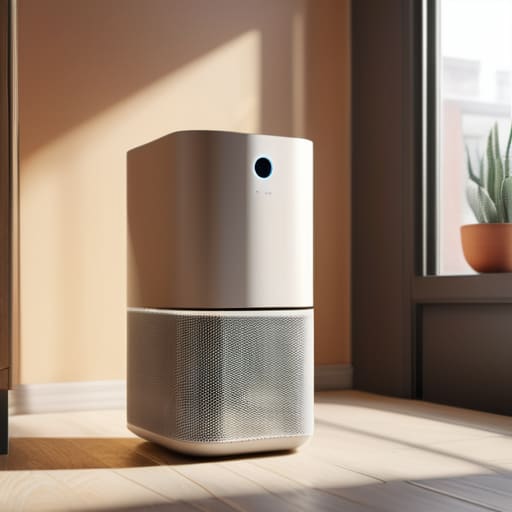
Look, I get it. You see those sleek, minimalist air purifiers all over your feed, looking like high-tech decor, and you start thinking you need one to breathe properly. Here’s the reality: while the HEPA air purifier benefits are real when it comes to trapping tiny particles like dust and pet dander, they aren’t a magic wand. If you’re living in a small apartment with zero airflow, a purifier is just recirculating the same stale air. It’s great for reducing household allergens, but it won’t fix the fact that your space is basically a sealed box of carbon dioxide and cooking smells.
Don’t go dropping two hundred bucks on a machine if you haven’t even tried the basics first. A lot of these fancy gadgets claim to do everything, but they often struggle with gases or odors unless they have a heavy-duty carbon filter—which most budget models skip. Before you commit your hard-earned cash, check your windows and your vents. If you aren’t practicing basic ventilation techniques for homes, like a quick five-minute cross-breeze, that expensive machine is just going to be a glorified, expensive fan. Buy one if you have severe allergies, but don’t buy it because a lifestyle influencer told you it’s “essential” for a clean aesthetic.
Stop Overcomplicating It: 5 Low-Cost Ways to Actually Breathe Better
- Open your windows for ten minutes every single morning. I don’t care if it’s chilly; stagnant air is a pollutant magnet. Cross-ventilation is free, and it’s more effective than any “scented” candle you’re burning to mask the smell of a stale apartment.
- Stop buying those “air-purifying” plants like they’re magic. I love my herb garden, but let’s be real: you’d need a literal jungle in your living room to see any measurable change in CO2 levels. Use them for food, not as a substitute for actual ventilation.
- Clean your HVAC filters every month, not every six months like the manual says. If you’re living in a cramped space or a city, those filters clog way faster. It’s a five-minute job that saves you from breathing in dust and keeps your system from dying prematurely.
- Ditch the synthetic fragrances. Those expensive diffusers and plug-in air fresheners are just dumping VOCs (volatile organic compounds) into your air. If your place smells “off,” clean the source of the smell instead of trying to perfume the problem.
- Keep your vacuum’s HEPA filter clean or just get a vacuum that actually has one. If you’re just kicking dust around the floor with a cheap vacuum, you’re making the air quality worse every time you clean. It’s a small upfront cost that pays off in less sneezing.
The Bottom Line on Breathing Better
Don’t go broke buying a $500 air purifier if your main problem is just dust and pet dander; a decent mid-range HEPA filter and a regular vacuuming schedule will do 90% of the heavy lifting.
Stop treating air quality like a “set it and forget it” thing—if you aren’t swapping out your filters every few months or opening a window to flush out stale air, you’re basically just circulating junk.
Focus on the source, not just the symptom; it’s way cheaper and more effective to stop using aerosol sprays and harsh chemicals than it is to try and scrub the air clean after you’ve already messed it up.
Bottom Line: Stop Overthinking It
Look, we’ve covered a lot, but let’s strip it back to the basics so you don’t get overwhelmed. You don’t need a smart-home ecosystem or a $500 gadget to breathe better. Focus on the high-impact, low-cost stuff: keep your vents clear, swap those cheap furnace filters regularly, and for the love of everything, actually open a window when the air feels stale. If you do decide to buy a purifier, make sure it’s a legitimate HEPA model and not some aesthetic piece of plastic that does nothing. It’s about prioritizing function over hype every single time.
At the end of the day, your home should be a place that supports you, not a place that drains your bank account with useless “wellness” tech. Improving your air quality isn’t about achieving some perfect, sterile sanctuary you see on Pinterest; it’s about making your immediate environment actually livable and healthy on a budget. Stop waiting for the perfect setup to arrive in a cardboard box. Grab a microfiber cloth, check your filters, and start making small, practical changes today. You’ve got this, and honestly, your lungs will thank you for it.
Frequently Asked Questions
Do those "snake plants" actually do anything for my air, or are they just expensive decor?
Look, I get it. Everyone on Pinterest makes it look like a jungle of snake plants will magically scrub your apartment clean. Honestly? They’re mostly just decor. While they do technically absorb some toxins, you’d need a literal forest in your living room to see any measurable impact on your air quality. If you want the aesthetic, go for it—but don’t rely on them to do the heavy lifting. Stick to ventilation and actual filtration.
How often do I really need to change my HVAC filters before it actually matters?
Look, if you’re waiting for the “change filter” light on your thermostat, you’ve already waited too long. If you have pets or live in a dusty city apartment like I do, swap it every 60 days. If you’re lucky and live in a cleaner spot, you can push it to 90. Don’t buy those expensive “year-long” filters; they’re usually a rip-off that barely catch anything. Just check it monthly—if it looks gray, toss it.
Is it worth buying a cheap air quality monitor, or is that just more tech clutter I don't need?
Look, unless you’re dealing with a serious mold issue or a gas leak, most of those $20 Amazon monitors are just glorified, inaccurate toys. They’ll ping you constantly for no reason, which is just more digital noise you don’t need. If you really want to know if your air sucks, just trust your nose or keep a window cracked. Don’t buy more tech clutter just to satisfy a data itch that doesn’t actually change your life.
Can I actually fix stuffy air just by changing my cleaning products?
Short answer? Yes, absolutely. Most of those “fresh linen” scented sprays and heavy-duty cleaners are basically just aerosolized chemicals that sit in your lungs. If your place feels stuffy or smells like a lab, stop buying the stuff with “fragrance” on the label. Switch to basic vinegar, baking soda, or unscented, eco-friendly brands. It’s cheaper, it actually works, and you won’t be breathing in a cocktail of synthetic junk every time you mop.