Look, I’m going to be real with you: most of the “Pinterest-perfect” activities you see online are a total scam. You see these moms with pristine white kitchens and $50 organized bins of specialized glitter, and it feels like you need a massive budget and a professional cleaning crew just to keep a toddler busy for twenty minutes. I grew up in a tiny apartment where we didn’t have room for massive toy chests, so I learned early on that if you want to keep kids occupied, you have to get creative with what you already have. Most kids craft ideas floating around the internet are just expensive ways to create a massive mess that you’ll be scrubbing off the floor for three days.
I’m not here to sell you on buying more plastic junk. Instead, I’ve rounded up 8 functional, low-mess, and actually affordable projects that use basic household scraps. These aren’t just mindless distractions; they are ways to keep them engaged without draining your bank account or your sanity. I’m talking about stuff you can whip up in five minutes using things from your recycling bin or that junk drawer in the kitchen. Let’s skip the fluff and get into some real-world crafting that won’t leave your living room looking like a glitter bomb went off.
Cardboard Box Architecture
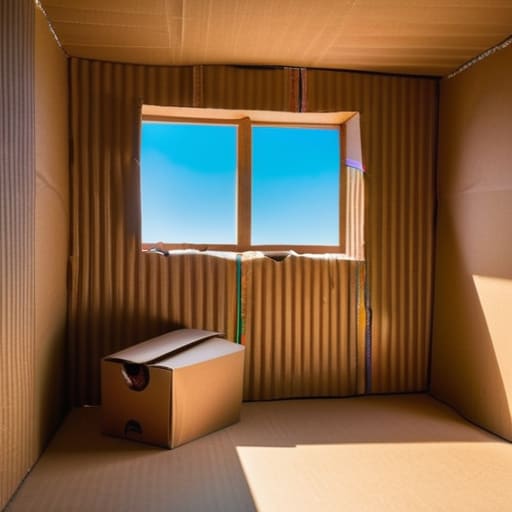
Stop scrolling through Pinterest looking for those expensive, pre-cut wooden playhouses. Most of that stuff is just overpriced junk that ends up in a landfill by next month. Instead, go raid your recycling bin for those large shipping boxes from your last online haul. A bit of duct tape and a pair of safety scissors can turn a plain box into a fort, a spaceship, or a tiny studio apartment for their action figures.
DIY Edible Playdough
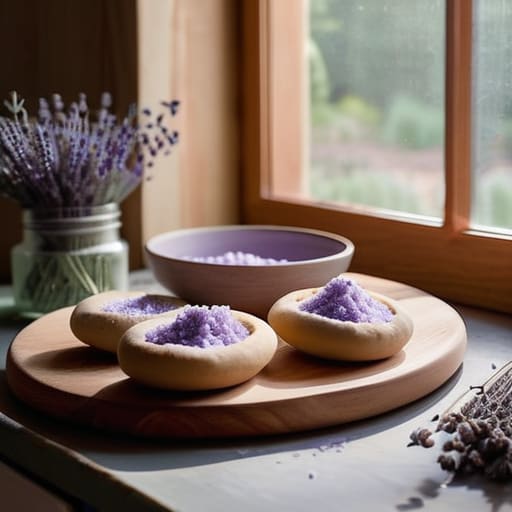
If you’re tired of buying those neon-colored tubs of playdough that leave a weird greasy film on everything, just make your own in the kitchen. It takes about ten minutes, uses stuff you probably already have in your pantry, and it’s way cheaper than the store-bought stuff. You just need flour, salt, water, and a bit of oil. If you want to get fancy, throw in some food coloring or even some dried lavender from my herb garden to give it a scent.
Nature Scavenger Hunt Art
Don’t spend forty bucks on a “nature exploration kit” when the backyard is literally right there. Grab a piece of scrap cardboard and some glue, and tell the kids to go find whatever interesting bits they can on the ground. We’re talking dried leaves, interesting pebbles, or even those weird twigs that look like tiny fingers. It’s a great way to get them outside and moving without you having to plan a whole hiking trip.
Toilet Paper Roll Binoculars
We all have a mountain of empty cardboard tubes rolling around our recycling bins, so stop treating them like trash and start treating them like tools. If you have two rolls, some string, and a bit of tape, you’ve got a pair of binoculars. This is a perfect way to kill time during a long car ride or just to keep them busy while I’m trying to focus on a work call.
Mason Jar Terrariums
Since I’m already obsessed with my indoor herb garden, I realized how easy it is to turn old glass jars into tiny ecosystems. If you have some empty pasta sauce jars or jam jars, you can help the kids build their own miniature worlds. All you need is some dirt from outside, a few small rocks for drainage, and maybe a tiny weed or two that they found in a crack in the sidewalk.
Rock Painting Station
You don’t need a dedicated craft room to do this; you just need a flat surface and some smooth stones from the driveway or a local park. I find that kids can spend an absurd amount of time painting tiny patterns or even “monsters” onto rocks. It’s a great way to practice fine motor skills without the frustration of working on a giant, intimidating canvas.
Sock Puppet Theater
Instead of letting them sit in front of a screen for three hours, grab those mismatched socks that have lost their partners in the laundry. A couple of buttons, some old yarn, and a bit of glue are all you need to turn a piece of clothing into a character. It’s a much better use of resources than buying those cheap plastic puppets that break within a week.
Paper Plate Masks
Paper plates are incredibly cheap and surprisingly versatile for quick crafting. If you have a stack of them in the pantry, you’re halfway to a mask-making session. All they need are some markers, some string, and maybe a pair of scissors to cut out eye holes. It’s a quick, high-impact activity that doesn’t require a huge setup or a massive cleanup.
The Bottom Line
Stop buying those overpriced, single-use craft kits; most of what you actually need is already sitting in your recycling bin or junk drawer.
If a project requires more than ten minutes of cleanup, it’s probably not worth the headache—focus on low-mess activities that don’t turn your living room into a disaster zone.
The goal isn’t to make a masterpiece for Instagram; it’s to keep them occupied and learning something without you losing your mind or your budget.
Stop Overthinking It
Look, the point of these ideas wasn’t to turn your living room into a professional art studio or to force you into buying those overpriced, pre-packaged activity kits that end up in the trash by Tuesday. Whether you went with the cardboard scrap builds, the recycled jar painting, or the simple sensory bins, the goal was to use what you already have on hand. We covered how to keep the mess contained and, more importantly, how to keep the costs at basically zero. If a craft requires a specialized tool or a trip to a boutique craft store, it’s not a hack—it’s just another chore on your to-do list. Stick to the functional basics and don’t feel guilty about using the leftovers from your last recycling bin.
At the end of the day, your kids don’t need a perfectly curated, Pinterest-worthy afternoon to have a good time. They just need something to do with their hands and a little bit of your attention. Don’t stress if the “masterpiece” looks like a pile of glue and regret; as long as it kept them occupied while you actually got some work done or finished your own coffee, it was a total win. Life is messy enough as it is, so let the crafts be messy too. Just grab the scraps, set a timer, and stop worrying about the aesthetic.
Frequently Asked Questions
How do I keep the mess from spreading across the entire living room?
Look, if you try to contain a kid’s craft session in a single tray, you’re going to lose. Instead, grab a cheap plastic tablecloth or even an old shower curtain liner and spread it across the floor. It takes ten seconds to set up, and when they’re done, you just fold it up and shake the scraps into the bin. Don’t fight the mess; just create a boundary that’s easy to wipe down.
What are some ways to do these crafts without buying a bunch of specialized supplies?
Look, if you’re heading to a craft store for one-off projects, you’re doing it wrong. Stop buying those expensive, pre-packaged kits that sit in your junk drawer for months. Just raid your recycling bin—cardboard, egg cartons, and toilet paper rolls are gold. Use old jars for organizers or scrap paper for collage. If you need glue or tape, use what’s already in your utility drawer. Keep it scrappy, keep it functional, and keep your money in your pocket.
Are there any specific crafts that are actually safe for toddlers who still put everything in their mouths?
Look, if they’re still in the “everything goes in the mouth” phase, skip the glitter and the tiny beads—that’s just a choking hazard waiting to happen. Stick to edible-safe stuff. I usually go with yogurt painting (use food coloring) or even just squishing cooked, cooled pasta. It’s messy, yeah, but it’s non-toxic and won’t land you in the ER. If it isn’t safe to eat, don’t give it to a toddler. Period.
How can I make these activities last longer so I'm not constantly finding something new for them to do?
Look, the secret isn’t finding “new” stuff; it’s about adding layers. If they finish a cardboard fort, don’t toss it—give them some masking tape and some old markers to “upgrade” the interior. Turn a single craft into a multi-day project. Once they build something, let them customize it, break it, and rebuild it. It’s about the process, not the finished product. Keep the materials accessible so they can iterate without you intervening.