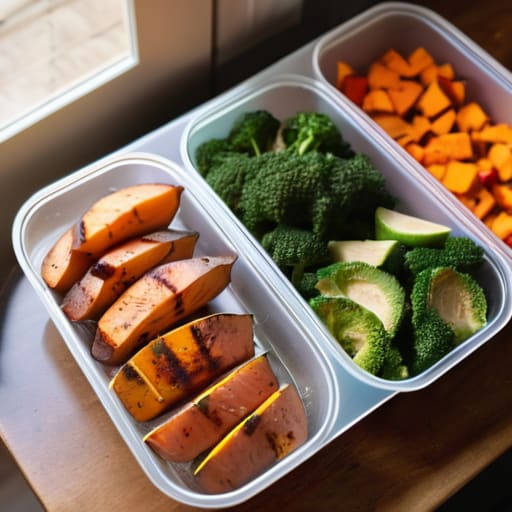
If I see one more “aesthetic” video of someone spending six hours organizing neon-colored Tupperware filled with tiny, deconstructed salads, I might actually lose it. That isn’t meal prepping; that’s a part-time job you didn’t ask for. Most advice on batch cooking for beginners makes it sound like you need a designer kitchen and a PhD in nutrition just to avoid eating instant noodles for the third night in a row. I grew up in a tiny apartment where every square inch of counter space was precious, and I learned the hard way that if a system is too complicated to maintain when you’re exhausted after a long shift, it’s a failure.
I’m not here to sell you on a lifestyle overhaul or expensive glass containers. My goal is to show you how to use batch cooking for beginners as a tool to reclaim your time and your bank account. I’m going to walk you through the actual, messy reality of cooking large portions of versatile food that you can actually mix and match throughout the week. We are focusing on maximum efficiency and minimum cleanup, because if it doesn’t save you money or sanity, it’s just extra noise.
Mastering Weekly Meal Planning Strategies Without the Stress
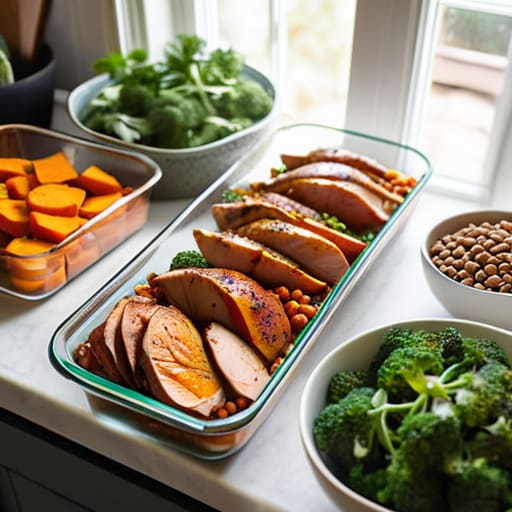
Look, if you’re trying to plan your entire week by staring at a blank notebook or scrolling through Pinterest for “aesthetic” recipes, you’re doing it wrong. That’s a one-way ticket to burnout. Instead of trying to be a gourmet chef, focus on weekly meal planning strategies that actually respect your energy levels. I like to pick two “base” proteins—like a big batch of seasoned chicken and a pot of lentils—and just rotate them with different veggies or grains. You don’t need a spreadsheet; you just need a plan that doesn’t require a degree in culinary arts to execute.
Don’t get sucked into the trap of buying expensive, specialized gear right away. You don’t need a hundred matching glass jars to be successful. Honestly, just grab some decent meal prep containers for beginners that actually seal tight so your food doesn’t turn into a soggy mess by Wednesday. If you find yourself making too much, don’t stress—just start freezing meals for later. It’s basically a backup system for those nights when your brain is fried from work and the last thing you want to do is touch a stove. Keep it simple, keep it functional, and just get it done.
Budget Friendly Batch Cooking to Protect Your Wallet
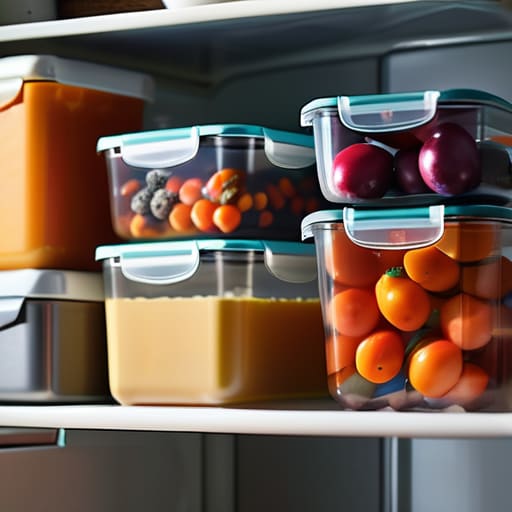
Look, I’m not going to tell you to go out and buy a set of matching, glass, airtight containers just because some influencer said it makes your fridge look “aesthetic.” That’s a fast track to wasting money you don’t have. If you’re just starting out, use whatever Tupperware you already own or grab some cheap, reusable ones from a discount store. The goal of budget friendly batch cooking isn’t to have a Pinterest-perfect pantry; it’s to stop the bleeding in your bank account caused by those $15 “emergency” UberEats orders when you’re too tired to think.
The real secret to saving is shopping your own pantry first and buying staples in bulk. I’m talking about the heavy hitters: rice, beans, lentils, and frozen veggies. These things are dirt cheap, they last forever, and they are the backbone of almost every healthy meal prep idea I actually stick to. Instead of buying pre-cut salad kits that wilt in two days, buy the whole head of lettuce and a bag of frozen broccoli. It takes an extra five minutes of chopping, but that’s a small price to pay for not throwing money in the trash. Focus on building meals around these low-cost foundations, and you’ll actually see your savings grow.
Stop Overcomplicating It: 5 Rules for Batch Cooking That Won't Burn You Out
- Forget the Pinterest-perfect glass containers. If you’re just starting, use whatever Tupperware you actually own. I don’t care if they don’t match; if they’re airtight and clean, they do the job. Don’t spend $50 on a matching set before you even know if you’ll stick to the habit.
- Cook components, not just full meals. Instead of making five identical chicken pasta dishes, just roast a massive batch of seasoned chicken, boil a huge pot of quinoa, and chop a mountain of veggies. It’s way easier to mix and match those throughout the week so you don’t get “food fatigue” by Wednesday.
- Stick to “one-pot” or “one-pan” heavy hitters. My goal is to spend as little time cleaning as possible. Think big batches of chili, lentil soup, or sheet-pan roasted veggies. If you finish cooking and have a sink full of pots, you’ve failed the efficiency test.
- Don’t try to cook five new recipes at once. That’s a recipe for a kitchen disaster and wasted money. Pick one “anchor” meal—something you actually like—and just double or triple the recipe. Scale up what you already know works.
- Freeze everything in portions. There is nothing worse than realizing you have enough food for a month but no way to eat it without it spoiling. Use small, freezer-safe bags or containers so you can grab exactly what you need for one lunch without thawing out a massive block of food.
The Bottom Line: Stop Overcomplicating It
Forget the expensive, color-coded glass containers; just use whatever Tupperware you already own to store your food so you don’t waste money on “aesthetic” gear.
Don’t try to cook five different recipes at once or you’ll burn out by Tuesday—pick one big base, like a massive pot of grains or protein, and pivot it into different meals.
If a meal prep plan takes more than two hours of your Sunday, it’s too complicated; simplify your ingredients and focus on what actually keeps you full and saves you time.
Stop Overthinking and Just Start
Look, we’ve covered a lot, and I know it feels like a lot to juggle. But at the end of the day, batch cooking isn’t about having a Pinterest-perfect fridge filled with color-coded glass containers. It’s about the simple math of saving your sanity. Whether you’re focusing on a smart meal plan to stop the mid-week decision fatigue, or you’re leaning into budget-friendly staples like grains and beans to keep your bank account from hitting zero, the goal remains the same: efficiency over aesthetics. You don’t need a gourmet kitchen or a massive grocery budget; you just need a plan that prevents you from hitting that expensive delivery app when you’re too tired to function.
If you’re feeling overwhelmed, my advice is to start small. Don’t try to prep twenty different meals this Sunday; just cook one big batch of something versatile, like roasted veggies or a hearty protein, and see how it changes your week. Life is messy, and your kitchen might not look like a showroom, but that’s okay. What matters is that you’re building systems that actually work for your real life. Take the win where you can get it, keep your tools handy, and remember that even a tiny bit of preparation goes a long way in reclaiming your time.
Frequently Asked Questions
I don't have a ton of fridge space in my apartment; how do I batch cook without everything turning into a disorganized mess?
Look, I get it. My apartment is tiny, and if I don’t manage my fridge, it becomes a graveyard of half-empty takeout containers. Stop buying those massive, bulky meal prep bins; they’re a space killer. Use stackable, square glass containers instead—they actually utilize the corners. Also, freeze what you won’t eat by Wednesday. It keeps things fresh and clears shelf space. If it doesn’t stack or fit, don’t cook it.
Is it actually safe to eat food I cooked on Sunday all the way through Friday, or am I just asking for food poisoning?
Look, I’m all about efficiency, but I’m not about risking a week of lost wages because of food poisoning. Honestly? Friday is pushing it. Most cooked leftovers are only safe for 3 to 4 days in the fridge. If you cook on Sunday, aim to finish by Thursday. If you know you won’t hit it by then, toss half into the freezer immediately. It saves space and keeps you safe. Don’t gamble with your gut.
Do I really need to buy all those expensive glass containers, or can I just use whatever I already have in my kitchen?
Absolutely not. Please, do not fall for the “aesthetic kitchen” trap. Those matching glass sets are just expensive ways to waste money you could be spending on actual groceries. If you have old Tupperware, mismatched plastic bins, or even just some decent quality reusable bags, use them. The goal is to have food ready to eat, not a Pinterest-worthy fridge. As long as they’re airtight and food-safe, they do the job.
How do I stop myself from getting bored of eating the exact same three meals every single day?
Look, I get it. Eating the same chicken and rice for five days straight feels like a prison sentence. But here’s the hack: don’t batch cook “meals,” batch cook components. Instead of making full lasagna trays, roast a huge batch of versatile protein, two different veggies, and one big grain. Then, swap your sauces. Day one is taco seasoning; day two is soy sauce and ginger; day three is pesto. Same base, zero boredom.