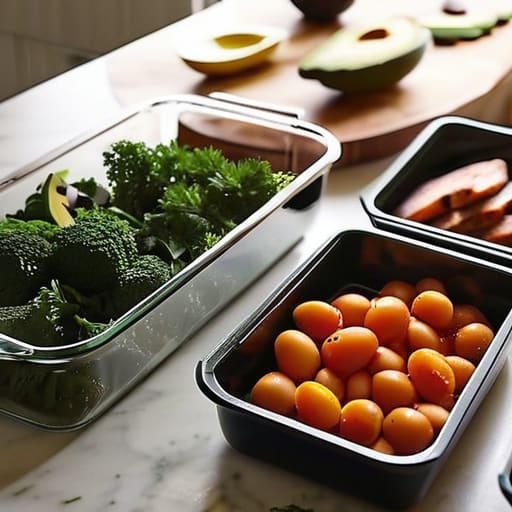
If you think learning how to meal prep means spending your entire Sunday aestheticizing glass containers filled with rainbow-colored quinoa bowls, please stop right now. I’m so tired of seeing these “lifestyle” influencers make cooking look like a high-end hobby when, in reality, most of us are just trying to survive a forty-hour work week without spending our entire paycheck on mediocre takeout. I grew up in a tiny apartment where every square inch of counter space was a battleground, and I learned early on that if a system isn’t actually efficient, it’s just more clutter.
I’m not here to sell you on a Pinterest-perfect fantasy; I’m here to give you a system that actually works for a busy, budget-conscious life. This isn’t about gourmet plating—it’s about functional survival. I’m going to show you how to prep basic, versatile staples that save you time and money, even if your kitchen is the size of a closet. We are focusing on maximum utility and zero wasted effort. Let’s get into the stuff that actually matters.
Smart Weekly Meal Planning Tips for Busy Schedules
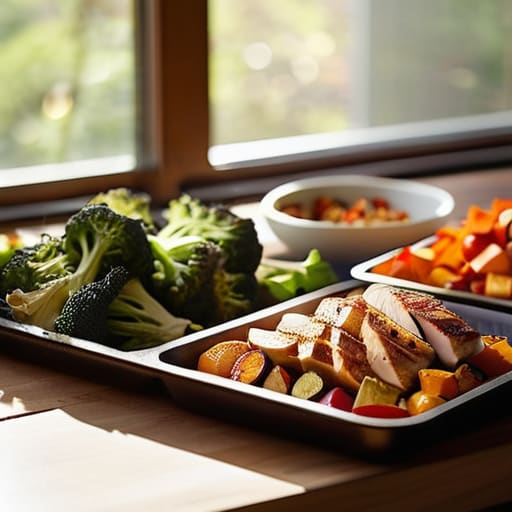
First off, stop trying to plan a five-course gourmet menu every Sunday. That’s how you burn out by Tuesday. Instead, focus on batch cooking techniques that actually scale. I don’t cook individual meals; I cook components. I’ll roast three trays of mixed veggies, boil a massive pot of quinoa, and grill a mountain of chicken or tofu all at once. When you have these building blocks ready, you aren’t “cooking” during the week—you’re just assembling. It turns a thirty-minute ordeal into a five-minute task of throwing stuff into a bowl.
To keep this from becoming a chaotic mess in your fridge, you need to get serious about your gear. Don’t waste money on those overpriced, aesthetic glass sets if you don’t need them; just find meal prep containers for storage that actually stack well and seal tight. If they don’t stack, they’re just taking up precious real estate in my tiny apartment. Also, keep your list focused on overlap ingredients. If you buy spinach for a salad, use the leftovers in a pasta dish later in the week. It’s about reducing waste and making sure every dollar you spend at the grocery store actually ends up in your stomach, not the trash.
Time Saving Kitchen Hacks That Actually Work
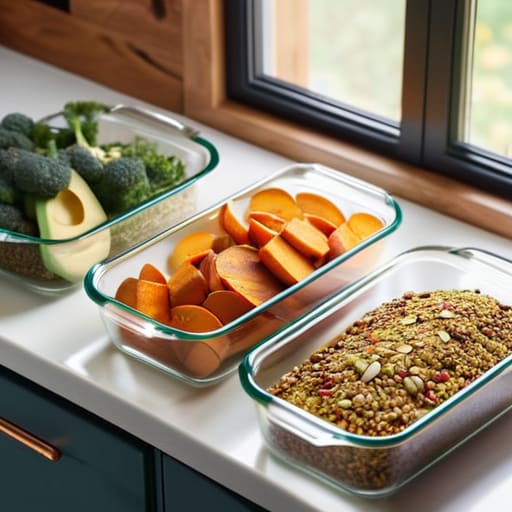
Look, I don’t have time to spend three hours every night standing over a stove, and neither do you. If you want to actually survive the week without ordering expensive, greasy takeout, you need to stop treating every meal like a five-course event. One of my favorite batch cooking techniques is the “component method.” Instead of making full recipes, just cook massive amounts of base ingredients—like a huge tray of roasted veggies, a big pot of quinoa, or seasoned chicken breasts. You can mix and match these throughout the week so you aren’t eating the exact same sad Tupperware meal five days in a row.
Another thing that saves my sanity is getting serious about your gear. Don’t bother with those flimsy, single-use plastic containers that leak everywhere and ruin your bag. Invest in a few decent meal prep containers for storage that actually seal tight and are microwave-safe. It’s a small upfront cost, but it prevents the frustration of a soggy salad or a messy spill. Also, do your chopping once. When I’m prepping, I do all my knife work for the entire week in one go. It feels like a chore for twenty minutes, but it’s way better than pulling out a cutting board every single night when you’re already exhausted from work.
My Bare-Minimum Rules for Meal Prepping Without Losing Your Mind
- Stop trying to cook five different recipes. Pick two proteins, one grain, and two veggies, then rotate them. If you try to be a gourmet chef every Sunday, you’re going to burn out by week two and end up ordering expensive DoorDash anyway.
- Buy frozen veggies. I know, the “fresh is best” crowd will disagree, but frozen peppers and spinach are cheaper, they won’t rot in your crisper drawer if you have a bad week, and they’re already chopped. That’s time and money saved right there.
- Use your tech brain to automate the grocery list. Don’t “wing it” at the store. Use a shared notes app or a simple checklist so you aren’t wandering the aisles aimlessly or buying stuff you already have in the back of your pantry.
- Prep components, not full meals. Instead of boxing up identical Tupperware containers that get boring by Wednesday, just prep big batches of cooked rice, roasted chicken, and washed greens. It gives you the flexibility to mix and match flavors so you don’t feel like you’re eating cafeteria food.
- Invest in decent, stackable containers. Don’t waste money on those aesthetic glass sets if you don’t need them; just get something that actually fits in your fridge without leaving huge gaps of wasted space. If it doesn’t stack, it’s clutter, and clutter is a productivity killer.
The Bottom Line: Stop Overcomplicating It
Focus on “component prepping” instead of full recipes—roast a big batch of veggies, cook a massive pot of grains, and prep one protein so you can mix and match all week without getting bored.
If a recipe requires a specialized tool you only use once a year, skip it; stick to the basics that use the gear you already have on your counter.
Don’t aim for Pinterest-perfect containers; just make sure your food is in airtight containers so it actually stays fresh until Friday, or you’re just wasting money.
Stop Overthinking and Just Start
Look, we’ve covered a lot, but let’s strip it back to the basics: meal prepping isn’t about having a fridge full of perfectly labeled, aesthetic glass containers that look like a Pinterest board. It’s about the smart planning, the kitchen hacks that actually shave off twenty minutes of prep time, and the realization that prepping staples is better than prepping complex recipes. If you spend your entire Sunday cooking five-course meals, you’re going to burn out by week two. Focus on the high-impact stuff—grains, proteins, and chopped veggies—so that when Tuesday hits and you’re staring at your laptop exhausted, you aren’t staring at your bank account wondering why you spent thirty bucks on a mediocre salad. Keep it functional, keep it simple, and keep it sustainable.
At the end of the day, the goal isn’t to become a professional chef; it’s to reclaim your time and your sanity. I grew up in a house where we had to make every single cent and every inch of space count, and I promise you, once you get into the rhythm of this, you’ll feel that shift. You’ll stop reacting to your hunger and start actually managing your life. Don’t wait for the “perfect” time to start or for the most expensive organizers to arrive in the mail. Just grab a few Tupperwares, pick three ingredients, and get to work. You’ve got this.
Frequently Asked Questions
How do I stop my food from tasting like soggy leftovers by Thursday?
The secret is to stop treating your Tupperware like a graveyard. If you’re prepping everything in one big batch, moisture is your enemy. Keep your sauces, dressings, and “wet” components in separate small containers. Also, for the love of everything, let your food cool down completely before you snap that lid on. If you trap steam inside, you’re basically steaming your leftovers into a mushy mess. Keep it dry, keep it separate.
Is it actually worth buying all those expensive glass containers, or can I just use what I already have?
Look, if you’re waiting for a matching set of aesthetic glass containers to start prepping, you’re just procrastinating. Save your money. Use what you have—old Tupperware, even some heavy-duty reusable silicone bags or even just glass jars from your pasta sauce. If they’re airtight and won’t leak in your bag, they do the job. The goal is to eat better and save cash, not to have a Pinterest-perfect fridge. Keep it functional.
What do I do if I realize halfway through the week that I hate the meal I spent three hours prepping?
Look, we’ve all been there. You spent your Sunday grinding, only to realize on Wednesday that your “healthy” quinoa bowl tastes like wet cardboard. Don’t force yourself to eat it just because you spent money on it—that’s how you end up ordering expensive takeout out of spite. Pivot. Use the ingredients as components instead. Throw that sad quinoa into a pan with some eggs and soy sauce for a quick fried rice. Repurpose, don’t repeat.
How can I meal prep without spending my entire Sunday stuck in the kitchen?
Look, if you’re spending five hours straight over a stove, you’re doing it wrong. Stop trying to cook five different complex recipes. Instead, pick two versatile proteins and one massive batch of a base grain—like quinoa or rice. Roast a huge tray of veggies while you’re doing something else. The goal is “component prepping.” You assemble quick, functional bowls throughout the week rather than reheating the same sad Tupperware every single day.