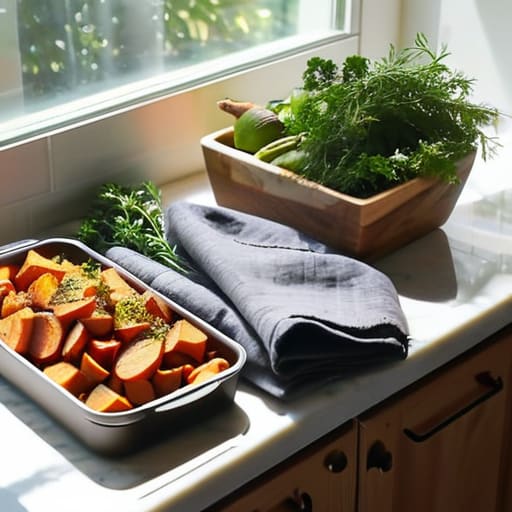
Look, I get it. You finish a ten-hour shift, your brain is fried, and the last thing you want to do is stand over a stove peeling garlic. Most of the time, that leads to a $25 delivery order that leaves you feeling sluggish and broke. I spent years doing that until I realized I was basically paying a premium to feel like garbage. We need to stop treating nutrition like some expensive hobby and start treating it like a system upgrade. Finding actual healthy meal prep ideas shouldn’t require a culinary degree or a kitchen the size of a warehouse; it just requires a bit of logic and some decent containers.
I’m not going to give you those aesthetic, color-coded bento boxes that take three hours to assemble and look great on a feed but fail in real life. Instead, I’ve boiled down my entire approach into eight specific, high-utility strategies that prioritize maximum efficiency and minimum cleanup. I’m talking about methods that actually survive being shoved in a backpack or a tiny office fridge. By the end of this, you’ll have a toolkit of ideas that save you both time and money without making your life feel like a chore.
The Grain Base Strategy
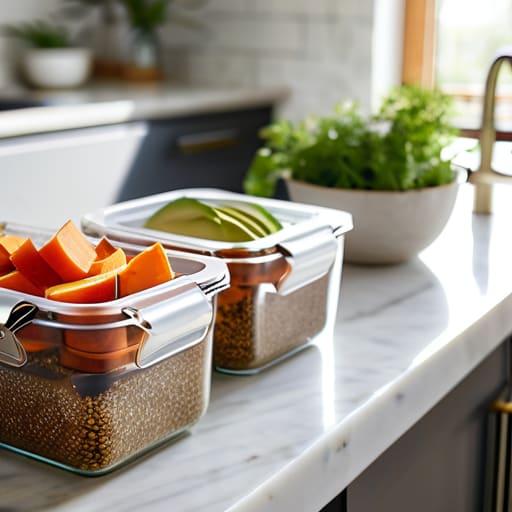
Stop trying to cook a different complex meal every single night; you’re going to burn out by Wednesday. Instead, pick one massive, versatile grain like quinoa, brown rice, or farro and cook a huge batch on Sunday. Having a reliable base sitting in your fridge means you aren’t staring blankly at the pantry when you’re tired after a long shift at the server room.
Sheet Pan Magic
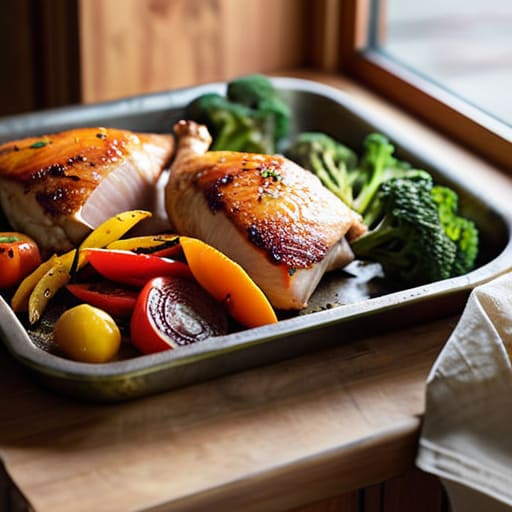
If you aren’t using sheet pan meals, you’re basically working harder than you need to. I love these because the cleanup is minimal—which is a huge win when you just want to sit down and decompress. Just toss your protein, like chicken thighs or tofu, onto a tray with a bunch of chopped veggies like broccoli or bell peppers, drizzle some olive oil and spices, and let the oven do the heavy lifting.
The "Adult Lunchable" Method
Some days, I honestly don’t have the mental bandwidth to even reheat something. That’s when I lean on the “adult lunchable” approach, which is basically just high-quality grazing. Grab some airtight containers and pack them with hard-boiled eggs, sliced deli turkey, cheese cubes, nuts, and raw veggies with hummus.
Batch-Cooked Protein Power
Protein is usually the most expensive part of the grocery bill, so don’t waste it by cooking small portions. I always aim to cook a large amount of a single, versatile protein—like shredded slow-cooker chicken or seasoned ground turkey—at the start of the week. Once you have a big container of this, you’ve essentially unlocked a dozen different meal possibilities.
Sauce is Your Best Friend
The biggest mistake people make with meal prep is eating the exact same bland-tasting food five days in a row. That is a one-way ticket to “ordering pizza because I’m bored.” To prevent this, keep a few different sauces in your fridge—think pesto, tahini dressing, or a spicy sriracha mayo.
Frozen Veggie Hacks
I know the “aesthetic” influencers will tell you to buy all fresh, organic produce, but let’s be real: fresh veggies go bad in your crisper drawer faster than you can use them. If you’re on a budget or just a bit disorganized, frozen vegetables are elite. They are often flash-frozen at peak nutrition, so they actually hold up well.
Soup and Stew Simplicity
There is nothing more efficient than making a massive pot of something like lentil stew or chili. It’s a “set it and forget it” situation that yields several days of hearty, healthy meals. Plus, soup is incredibly easy to scale up or down depending on how much you actually have in your pantry.
Pre-Portioned Snack Packs
Most people fail their meal prep goals because they get hungry between meals and grab whatever junk is closest. To fight this, spend ten minutes on Sunday portioning out your snacks into small, reusable containers. I’m talking about things like Greek yogurt, apple slices, or a handful of almonds.
The Bottom Line
Stop trying to cook gourmet meals every Sunday; just prep the boring, versatile stuff like grains and proteins so you aren’t staring at an empty fridge on Tuesday night.
If a meal prep idea requires a $50 specialized gadget or three hours of your life, it’s not a hack—it’s a chore. Keep it simple and use what you already have.
Focus on saving money and mental energy first; if your “healthy” prep is actually costing you more in groceries and stress than a quick sandwich, you’re doing it wrong.
Stop Overthinking It and Just Start
Look, at the end of the day, meal prepping isn’t about having those perfectly aesthetic, color-coded glass containers that look great on a Pinterest board. It’s about the basics: batch-cooking your grains, roasting a massive tray of seasonal veggies, and having a reliable protein ready to go so you don’t end up staring blankly at your fridge at 7 PM. Whether you’re focusing on bulk-buying staples to keep your budget in check or using the “component method” to avoid total flavor fatigue, the goal is the same. You want to eliminate the decision fatigue that usually leads to expensive, greasy takeout. If you can master even two of these strategies, you’ve already won half the battle against a chaotic week.
Don’t feel like you have to overhaul your entire kitchen routine overnight. If you try to prep twenty different meals on a Sunday, you’re going to burn out by Tuesday and end up ordering pizza anyway. Just pick one thing—maybe it’s just prepping your breakfast or chopping some onions ahead of time—and build from there. Life is messy, and your kitchen will probably look like a disaster zone for an hour while you do it, but that’s a small price to pay for reclaiming your time and your sanity. Stop waiting for the “perfect” time to get organized and just make it work with what you’ve got.
Frequently Asked Questions
I don't have a ton of extra fridge space—how can I prep without my kitchen turning into a cramped warehouse of plastic containers?
Look, I get it. My apartment was basically a closet growing up, so I don’t have room for a mountain of Tupperware either. Stop buying those massive, single-use containers. Instead, prep “components” rather than full meals. Roast a tray of veggies, boil some eggs, and cook a big batch of grains. Store them in one or two versatile, stackable glass containers. It saves space, keeps things fresh, and lets you mix-and-match without the clutter.
Is it actually worth buying those expensive glass containers, or can I just use whatever mismatched Tupperware I already have lying around?
Look, if you’re trying to save money, don’t go out and drop eighty bucks on a matching set of glass containers. It’s a total aesthetic trap. If your mismatched Tupperware is clean and doesn’t leak, use it. Glass is great for reheating because it doesn’t stain or hold onto smells, but it’s also heavy and breaks. Stick to what you have. Once you actually find a rhythm with meal prepping, then you can upgrade.
How do I stop my prepped meals from tasting like soggy, sad leftovers by Wednesday?
The biggest mistake is tossing everything into one container like a sad salad. Stop doing that. Keep your sauces, dressings, and “wet” ingredients in separate small containers. Also, don’t overcook your proteins during the initial prep; aim for just under done because they’re going to hit the microwave later. If you’re prepping greens, keep them far away from the heat. Texture is everything—if it’s mushy, it’s garbage.
I'm on a super tight budget; what are the absolute cheapest protein sources that won't make me want to quit meal prepping entirely?
Look, if you’re staring at a grocery bill that looks like a phone number, stop looking at the meat aisle. Seriously. Dried lentils and beans are your best friends—they’re dirt cheap and stay good in the pantry forever. Eggs are another lifesaver; they’re versatile and way cheaper than chicken breasts. Also, don’t sleep on canned tuna or even frozen edamame. It’s not fancy, but it keeps you full without draining your bank account.