Stop wasting your money on those “gourmet” brunch guides that claim you need a $50 non-stick pan and organic, pasture-raised eggs just to get a decent breakfast. Honestly, most of that influencer content is just aesthetic clutter designed to make you feel like you’re failing if your yolk isn’t a perfect sunset orange. I grew up in a tiny apartment where every cent counted, and I learned the hard way that knowing how to cook eggs isn’t about having a designer kitchen; it’s about mastering the heat so you don’t end up with a rubbery, tasteless mess that ruins your morning.
I’m not going to give you a list of fancy culinary techniques that take twenty minutes of prep and a mountain of dishes. Instead, I’m giving you the straight-up, functional methods that actually work when you’re running on five hours of sleep and a tight budget. We’re going to cover the fastest, most efficient ways to get protein on your plate without the unnecessary fluff. If a method doesn’t save you time or prevent a kitchen disaster, I’m not telling you about it.
Mastering Egg Cooking Temperatures for Consistent Results
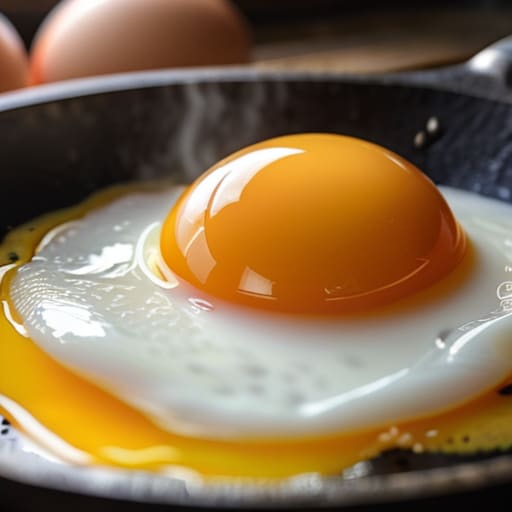
Look, if you’re still treating every egg like it’s the same, you’re going to keep ending up with rubbery messes or liquid disasters. It all comes down to heat management. I spent way too many mornings over-frying eggs because I thought “hot pan equals fast food,” but all that did was burn the bottom while the top stayed raw. If you want the best way to fry eggs without the drama, keep your heat at medium-low. You want a gentle sizzle, not a violent pop, so the whites set properly without turning into leather.
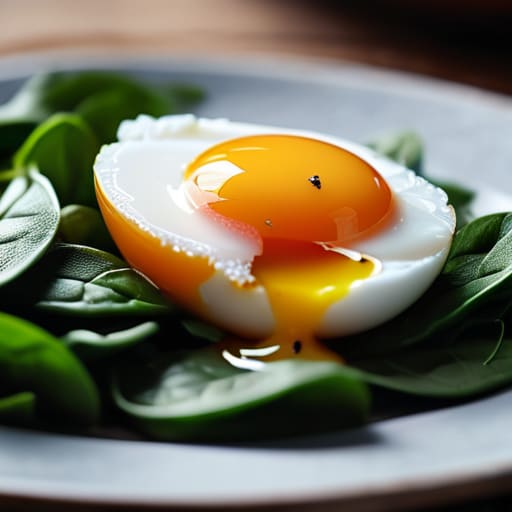
When you move into more technical territory, like a proper poached egg technique, temperature is your absolute best friend. You aren’t looking for a rolling boil—that’ll just shred your egg into tiny white confetti. You want those tiny, lazy bubbles at the bottom of the pot. The same logic applies to your breakfast scramble; if you crank the heat too high, you lose that creamy, soft consistency everyone obsesses over. For actual scrambled egg texture tips, remember that low and slow is the secret to avoiding that spongy, dry texture that makes you want to reach for the hot sauce just to make it edible.
The Only Boiled Egg Timing Guide You Actually Need
Look, I don’t have time for those overly complicated charts that tell you to use an ice bath for exactly 42 seconds. We’re looking for efficiency here, not a science experiment. If you’re tired of guessing whether your yolk is going to be a liquid mess or a chalky disaster, you just need a reliable boiled egg timing guide that works every single time without the fluff.
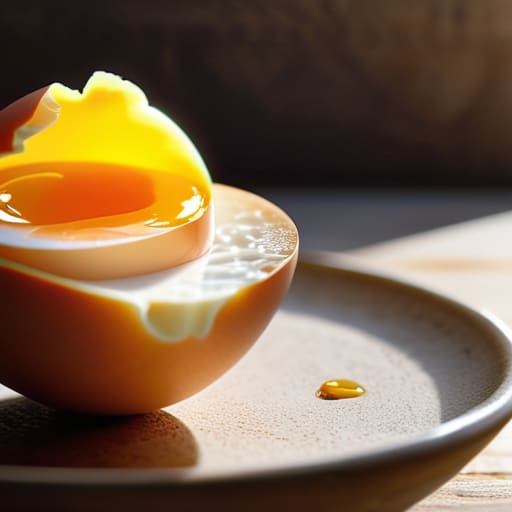
Forget the “cold start” method—it’s inconsistent and a headache to peel. Instead, bring your water to a boil first, then lower the eggs in gently with a spoon. This is the only way to ensure you actually control the clock. For a jammy yolk that’s perfect for avocado toast, aim for exactly 6 and a half minutes. If you want a standard hard-boiled egg for meal prepping or protein on the go, pull them out at the 10-minute mark.
Once they’re done, drop them into a bowl of cold water immediately. It stops the cooking process so you don’t end up with that weird, unappetizing grey ring around the yolk. It’s a small step, but it’s the difference between a decent snack and a wasted egg.
5 Ways to Stop Ruining Your Eggs (And Save Your Sanity)
- Stop using the “high heat” default. I know it’s tempting to crank the stove to get things done faster, but you’ll just end up with rubbery, overcooked eggs that taste like nothing. Turn it down. Low and slow is how you actually get texture that doesn’t feel like chewing on a pencil eraser.
- Use a timer, not your “gut feeling.” I used to think I could just eyeball a soft-boiled egg, but my gut is usually wrong and I end up with something that’s half-raw and half-slimy. Set a timer on your phone. It takes two seconds and prevents you from wasting perfectly good food.
- Ditch the expensive non-stick sets if they’re junk. You don’t need a $200 designer pan, but you do need one that actually works. If your eggs are sticking to everything, you’re just wasting oil and cleaning time. A decent, cheap seasoned cast iron or a basic non-stick is all you need to get in and out of the kitchen.
- Prep your workspace before the heat is even on. If you’re scrambling to find the salt or a spatula while the butter is already browning, you’re going to burn something. Get your bowl, your whisk, and your seasoning right next to the stove first. It’s basic systems administration: prep the environment before you run the process.
- Don’t throw away the shells—use them for more than just compost. If you’re into my indoor herb garden, crushed eggshells in the soil provide a slow release of calcium. It’s free fertilizer, and since I hate wasting money on extra garden supplies, it’s a total win.
The Bottom Line: Stop Overcomplicating It
Forget the expensive kitchen gadgets; a cheap non-stick pan and a basic timer are all you actually need to get this right.
Prioritize consistency over perfection—once you nail the temperature, you stop wasting eggs and money on breakfast fails.
Don’t get caught up in “gourmet” techniques that take twenty minutes; if a method doesn’t help you get out the door faster, skip it.
Stop Overthinking Your Breakfast
Look, at the end of the day, you don’t need a culinary degree or a kitchen full of expensive gadgets to get this right. We’ve covered the essentials: stop guessing on the heat so you aren’t eating rubbery messes, and use a timer for your boiled eggs so you aren’t stuck with those weird, gray, sulfur-smelling yolks. Whether you’re scrambling something up in five minutes before a shift or prepping hard-boiled eggs for a week of cheap lunches, the goal is the same: consistency without the chaos. If you master the temperature and the timing, you’ve already won half the battle. Don’t let a lack of “fancy” equipment stop you from eating well; just focus on the fundamentals and get it done.
I know life gets messy, and when you’re running on four hours of sleep and a tight budget, the last thing you want to do is stress over a breakfast recipe. But there is something incredibly satisfying about knowing you can take a basic, cheap ingredient like an egg and make it work for you every single time. It’s about taking control of the small things when everything else feels like it’s glitching out. So, grab your pan, set your timer, and stop chasing the aesthetic. Just cook the damn eggs, eat your fuel, and get on with your day. You’ve got this.
Frequently Asked Questions
How do I stop my scrambled eggs from turning into a rubbery, dry mess?
Look, if your eggs feel like you’re chewing on a sponge, you’re overcooking them. Period. Stop treating the pan like a high-stakes experiment and just pull them off the heat while they still look a little “wet.” The residual heat from the pan will finish the job on the plate. Also, ditch the high heat; medium-low is your friend. It takes an extra minute, but it’s better than wasting ingredients on rubber.
Is there a way to peel hard-boiled eggs without them shattering and looking like a disaster?
Look, there is nothing more frustrating than cracking an egg open only to find half the white stuck to the shell. It’s a total waste of food. Stop trying to peel them under a lukewarm tap. Instead, shock them in an ice bath immediately after boiling. Once they’re cold, crack the shell all over, then peel them submerged in water. The water helps get under that membrane so the shell just slides right off.
What's the cheapest way to store eggs so they actually stay fresh in a tiny fridge?
Ditch the fancy egg holders or those bulky cartons that take up half your shelf. If you’re working with a tiny fridge, just keep them in the original cardboard carton. It’s free, it’s recycled, and it protects them from absorbing those weird fridge smells—like that leftover onion sitting in the door. If you’re really tight on space, stack them in a small glass jar, but honestly, the carton is your best bet for saving money and space.
Can I use a microwave to cook eggs, or is that just a recipe for a massive cleanup?
Look, I’m all for efficiency, but microwaving eggs is a high-risk, low-reward gamble. If you try to do it in the shell? Boom. Exploding mess that’ll take you twenty minutes to scrub off the walls. Even in a bowl, it’s easy to turn them into rubbery, weirdly textured bits. If you’re truly desperate and short on time, whisk them in a mug first, but honestly? Just use a pan. It’s faster to clean.