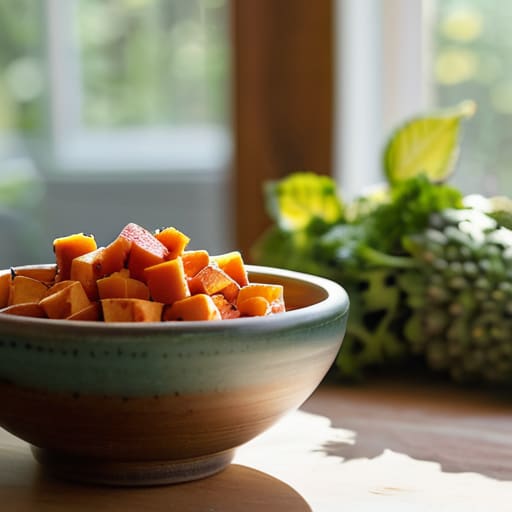
I’m so tired of seeing those aesthetic “meal prep” videos where people spend six hours on a Sunday arranging color-coded containers of organic quinoa just to look good on a grid. That’s not real life; that’s a hobby. When I was growing up in a cramped apartment, we didn’t have the luxury of “curated dining”—we had a fridge that was mostly empty and a budget that required every single cent to count. Learning how to use leftovers wasn’t about a lifestyle trend for me; it was about survival and efficiency. If I didn’t figure out how to turn a half-empty jar of salsa or some wilted spinach into something edible, I was literally throwing money straight into the trash.
Look, I’m not going to give you any complicated, five-star recipes that require ingredients you can’t afford. I’m here to show you the actual mechanics of making food work for you. I’ll be sharing the fast, gritty, and highly functional ways I transform yesterday’s scraps into today’s fuel without wasting a second of your time. We’re focusing on maximum utility, not culinary perfection.
Smart Food Waste Reduction Tips for Busy Schedules
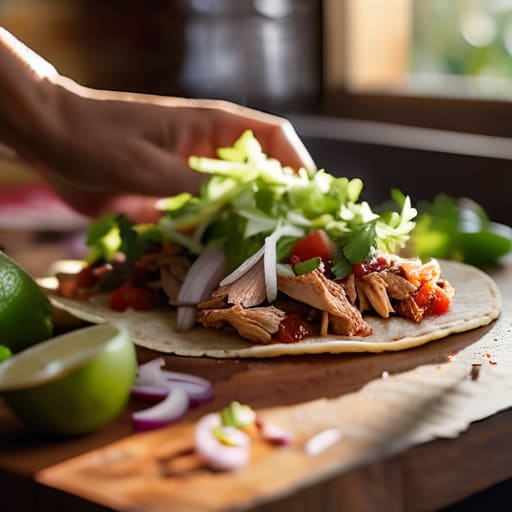
Look, I don’t have time for fancy meal planning, and neither do you. If you’re working a 9-to-5 like I am, your biggest enemy isn’t a lack of skill—it’s the “decision fatigue” that hits at 6:00 PM. Instead of staring blankly at your fridge, start thinking about repurposing cooked proteins as your base for everything. If you have leftover chicken or even a bit of steak from dinner, don’t just reheat it until it’s rubbery. Shred it, toss it with some jarred salsa, and you’ve got tacos in five minutes. That’s not just cooking; it’s efficient resource management.
Another thing that saved my sanity when I was living in that tiny studio apartment was mastering meal prep with leftovers on a micro-scale. You don’t need to spend your entire Sunday in the kitchen. Just focus on creative kitchen hacks that make things modular. For example, if you make a big batch of grains or roasted veggies, keep them in separate, airtight containers. This way, you can pivot from a grain bowl on Monday to a quick wrap on Tuesday without feeling like you’re eating the exact same meal three days in a row. It’s about staying flexible so you don’t end up ordering takeout because you’re too tired to think.
The No Nonsense Guide to Storing Leftovers Safely
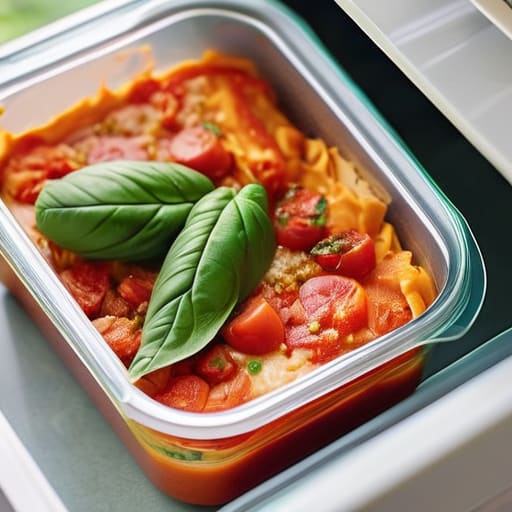
Look, I don’t care how good that lasagna looked when you first made it; if you leave it in a random Tupperware container that isn’t airtight, you’re basically asking for a science experiment in your fridge. When it comes to storing leftovers safely, the rule is simple: get it cold, and get it sealed. I learned the hard way growing up in a tiny apartment that if you don’t chill your food quickly, you’re inviting bacteria to throw a party. Don’t let large pots of soup sit on the counter for hours—divide them into smaller, shallow containers so they cool down fast.
Also, let’s talk about the “mystery container” problem. We’ve all been there, pulling a plastic tub from the back of the fridge and wondering if it’s safe or a biohazard. Stop doing that. If you want to master meal prep with leftovers, you need to be disciplined about labeling. Grab a roll of masking tape and a sharpie; write the date and what the food actually is on the lid. It takes five seconds, but it saves you from the inevitable “sniff test” of doom. If it’s been more than three or four days, just toss it. Saving money isn’t worth a week of food poisoning.
5 Ways to Actually Repurpose Your Food Without Losing Your Mind
- Treat your leftovers like building blocks, not just “old food.” That half-container of roasted veggies? Don’t just reheat them until they’re mush; chop them up and throw them into an omelet or a grain bowl for breakfast. It’s much faster than prepping new ingredients.
- Master the “Base + Protein” formula. If you have leftover plain rice or pasta, keep it in a small container. When you’re too tired to cook, just toss in a protein (like a canned tuna or some deli turkey) and a quick sauce. You’ve got a meal in three minutes.
- Freeze your “almost-dead” ingredients. If you see a bag of spinach or some half-used tomato paste about to go bad, don’t let it rot in the crisper drawer. Throw it in a freezer bag. It’s much easier to grab a handful of frozen greens for a smoothie later than to deal with slimy, wasted produce.
- Use the “Sauce Strategy” to mask the fatigue. Let’s be real: leftovers can get boring. Instead of eating the same bland chicken for the third time, change the flavor profile. Use pesto, hot sauce, or a bit of soy sauce to make it feel like a completely different dish.
- Invest in decent, airtight containers. I learned this the hard way growing up—cheap plastic containers leak and make everything taste like… well, plastic. Get some actual glass containers that actually seal. It keeps your food fresher for longer, meaning you actually want to eat it the next day instead of tossing it.
The Bottom Line: Don't Let Good Food Go to Waste
Stop treating leftovers like an afterthought; treat them like a pre-prepped meal that saves you an hour of cooking later.
Invest in actual airtight containers instead of those flimsy plastic ones that leak—if you can’t trust the seal, you’re just inviting mold and wasted cash.
If you know you aren’t going to eat it in the next two days, freeze it immediately; don’t play the “maybe I’ll eat it tomorrow” game with your grocery budget.
Stop Overthinking It and Start Saving
Look, at the end of the day, managing leftovers isn’t about being a gourmet chef or having a perfectly organized, color-coded fridge. It’s about being smart with what you’ve already paid for. We’ve covered the basics: stop tossing money in the trash by repurposing your scraps, learn the actual rules of safe storage so you aren’t risking food poisoning, and keep your schedule from spiraling by prepping those quick “reheat and eat” meals. If you can master the art of the quick stir-fry or the intentional fridge clean-out, you’re already ahead of 90% of people who are just burning through their paychecks on takeout. It’s about functional eating, not aesthetic plating.
I know it feels like just one more thing to manage when you’re already exhausted from work, but I promise you, the small wins add up. Every time you turn last night’s roasted chicken into today’s lunch, you’re winning back a little bit of your time and a decent chunk of your budget. Don’t let the pressure of “perfect” meal prepping stop you from just being practical. Life is messy, your kitchen might be cluttered, and your schedule is probably chaotic, but you can still make it work. Now, go check that fridge and see what you can actually use.
Frequently Asked Questions
How long can I actually keep these leftovers in the fridge before they become a biohazard?
Look, I’m not going to give you some vague “until it smells weird” answer because that’s how you end up with food poisoning. Most cooked stuff—think chicken, pasta, or stir-fry—is good for about 3 to 4 days max. If it’s been sitting in there longer than that, just toss it. It’s not worth the risk to your health or the stress of wondering if it’s safe. When in doubt, throw it out.
Is there a way to reheat my food so it doesn't turn into a dry, rubbery mess?
Look, nobody wants a piece of chicken that feels like a literal eraser. If you’re using a microwave, stop the “dry-out” cycle right now. Add a splash of water or broth to the container, then cover it with a damp paper towel. That creates a little steam chamber that keeps things moist. If you have five extra minutes, use a skillet for leftovers like pizza or stir-fry; it restores the texture way better than any microwave ever will.
What can I do if my leftovers are already starting to look a little sad or unappealing?
Look, if your leftovers are looking a little limp or sad, don’t just toss them. If it’s veggies, throw them in a pan with some garlic and soy sauce—high heat fixes a lot of texture issues. If it’s grains or protein, toss them into a soup or a quick stir-fry. Basically, mask the “old” texture with moisture or crunch. If it actually smells off? Then kill it. Don’t risk food poisoning for five bucks.
How do I mix different leftover bits together without it tasting like a weird, random kitchen sink meal?
The trick is to stop thinking about “leftovers” and start thinking about “components.” Don’t just dump everything in a bowl; use a common thread to tie them together. If you’ve got random proteins and veggies, throw them into a base like rice, pasta, or greens, then hit it with a heavy-hitting sauce—think soy ginger, pesto, or even just a squeeze of lime and hot sauce. The sauce is the glue that makes it a meal instead of a mistake.