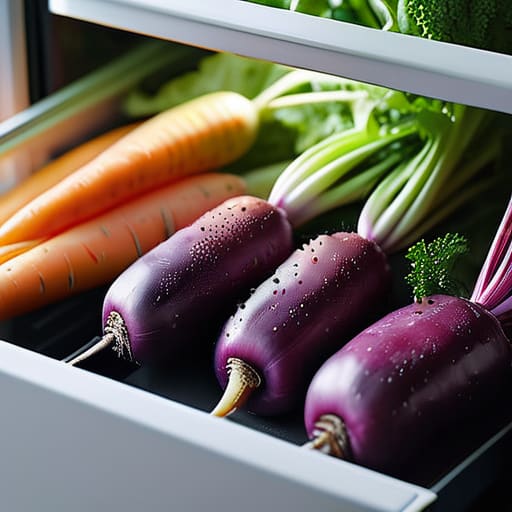
I’m so tired of seeing those aesthetic, color-coded fridge organization videos that make it look like you need a $50 specialized container for every single type of produce. Seriously, if you’re spending your entire paycheck on “smart” storage gadgets just to keep your spinach from turning into slime, you’re doing it wrong. I grew up in a tiny apartment where every cent counted, and I learned the hard way that the best ways to store fresh vegetables don’t involve a fancy shopping spree—they involve understanding how things actually rot. Most of that “expert” advice online is just expensive fluff that doesn’t account for a real, busy life.
I’m not here to sell you a lifestyle or a subscription to a luxury pantry brand. I’m going to give you the actual, gritty mechanics of food preservation using stuff you probably already have in your kitchen drawers. We’re going to focus on the high-impact, low-effort methods that actually save you money and stop the waste. No fluff, no aesthetic nonsense—just the functional hacks you need to keep your groceries alive long enough to actually eat them.
Mastering Refrigerator Organization for Produce Efficiency
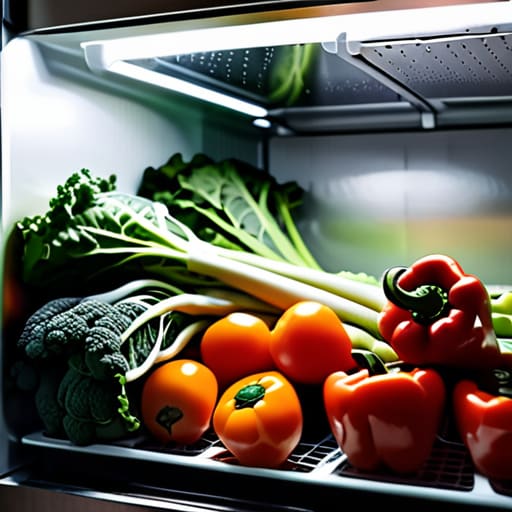
Look, if your fridge is just a chaotic pile of plastic bags and mystery containers, you’re basically inviting rot to move in. Most people think shoving everything in the crisper drawer solves the problem, but that’s exactly how you end up with a slimy mess. Real refrigerator organization for produce is about zoning. You need to treat your fridge like a system—because it is. If you treat it like a junk drawer, your groceries are going to fail.
The biggest mistake I see? Ignoring the science of ethylene gas producing fruits and vegetables. If you shove an apple right next to your lettuce, that apple is going to release gas that turns your greens into mush overnight. Keep the gas-emitters in their own dedicated zone, far away from the sensitive stuff.
Also, stop ignoring your humidity sliders. Most crisper drawers have a setting for high or low humidity; you need to use them. Storing leafy greens in the fridge requires higher humidity to prevent wilting, while things like carrots or peppers actually prefer it drier. It’s not about being “aesthetic”—it’s about preventing vegetable spoilage so you don’t have to spend your Sunday meal-prepping everything again.
Preventing Vegetable Spoilage With Proper Humidity for Vegetable Storage
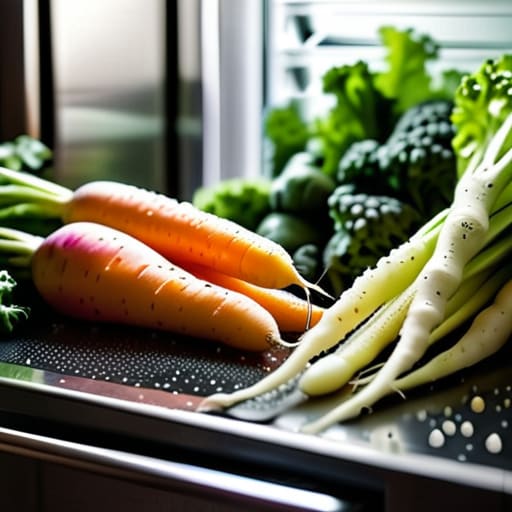
Look, if you’re just tossing everything into the crisper drawer without a plan, you’re basically asking for a science experiment in your fridge. The biggest mistake I see is treating every vegetable the same, but the secret to preventing vegetable spoilage is all about moisture control. Most people think “more water is better,” but if you trap too much moisture around your veggies, they’ll turn into literal mush in forty-eight hours. You need to find that sweet spot with proper humidity for vegetable storage—enough to keep them from shriveling, but not so much that they rot.
Another thing that kills your produce is the invisible war happening in your drawers. You’ve got ethylene gas producing fruits and vegetables—like apples or tomatoes—that act like little chemical time bombs. If you leave them touching your cucumbers or leafy greens, those greens are going to turn into slime overnight. I always keep my high-gas producers in a separate bowl or a different drawer entirely. It’s a tiny bit of extra effort, but it’s the only way to actually keep vegetables fresh longer without constantly replacing what you just bought.
Stop the Rot: 5 Practical Ways to Keep Your Veggies Alive
- Don’t wash your produce until you’re actually ready to eat it. I know, it feels “cleaner” to prep everything on Sunday, but moisture is the enemy. If you wash your berries or greens and then shove them in a container, you’re basically creating a petri dish for mold. Keep them dry, keep them whole, and wash them right before they hit the pan.
- Use the paper towel trick for leafy greens. If you’ve already bought those big bags of spinach or kale, toss a dry paper towel inside the container or bag. It acts like a sponge to soak up the excess condensation that usually turns your greens into a slimy mess by day three. It’s a tiny bit of extra effort that saves you from throwing out a $5 bag of wilted leaves.
- Keep your “gas producers” away from the rest of the squad. Some veggies, like tomatoes or apples, release ethylene gas—it’s basically a ripening hormone. If you store them right next to your cucumbers or lettuce, that gas is going to trigger a chain reaction that makes everything else rot way too fast. Keep the heavy hitters in their own drawer.
- Give your root veggies some breathing room. Carrots, radishes, and beets don’t want to be suffocated in airtight plastic bags. If you can, keep them in a reusable mesh bag or even just a bowl in the crisper. They need a little airflow to stay firm instead of getting soft and rubbery.
- Invest in a few decent glass containers instead of buying a million cheap plastic ones. Plastic gets scratched, holds onto smells, and doesn’t seal as well. Glass is easier to sanitize, you can actually see what’s inside so nothing gets forgotten in the back of the fridge, and honestly, it just lasts longer. It’s a one-time cost that pays off when you aren’t replacing Tupperware every six months.
Stop Throwing Money in the Trash
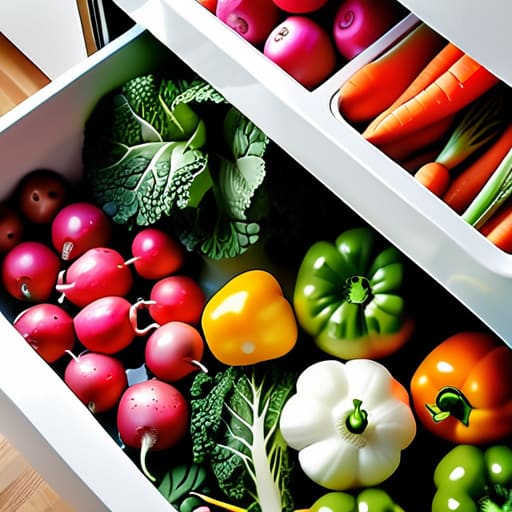
Look, at the end of the day, it’s pretty simple: if you aren’t intentional about how you treat your produce, you’re basically just handing your hard-earned cash to the compost bin. We’ve covered the essentials—organizing your fridge so things don’t get lost in the “crisper drawer abyss” and actually managing your humidity levels so your greens don’t turn into slime overnight. It’s not about having a perfectly aesthetic, Pinterest-worthy pantry; it’s about making the systems work for you. Use the containers, wrap the herbs, and stop treating your vegetable drawer like a graveyard for forgotten groceries. If you apply these few tweaks, you’ll see a massive difference in your weekly budget and your food waste levels.
I know life gets chaotic. Between work, errands, and just trying to exist, sometimes the last thing you want to do is play scientist with your spinach. But honestly? Taking ten minutes to prep your veggies right after a grocery run is the ultimate productivity hack. It’s one less thing to stress about when you’re tired on a Tuesday night and just want to eat something that isn’t processed junk. Don’t aim for perfection, just aim for functionality over aesthetics. Get your systems in place, save your money, and stop letting good food go to waste. You’ve got this.
Look, if you’re still just tossing everything into one big plastic bin, you’re basically asking for a science experiment in your crisper drawer. I learned the hard way that grouping things by their specific needs—like keeping ethylene producers away from the sensitive stuff—is the only way to avoid a total meltdown. If you find yourself constantly overwhelmed by the logistics of managing a tiny kitchen or just need a quick way to find local resources when things get chaotic, you can always check out kontaktanzeige k ln sex to see what’s available. Honestly, staying organized is less about having a fancy pantry and more about setting up systems that actually respect your time and your budget.