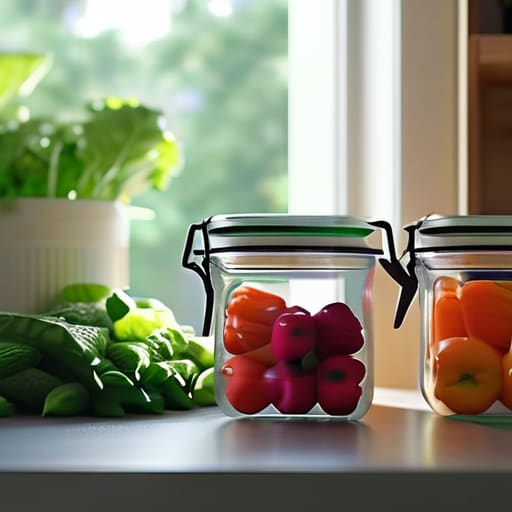
I’m so tired of seeing those “aesthetic” pantry organization videos where people spend $200 on matching glass canisters just to keep a bag of spinach fresh for two days. Let’s be real: those fancy containers are usually just a way to make your kitchen look good for Instagram, but they won’t stop your berries from turning into a fuzzy mess by Tuesday. If you’re actually trying to figure out how to store food properly without draining your bank account, you need to stop following trends and start looking at the actual science of decay. I grew up in a tiny apartment where every single grocery dollar had to count, and I learned the hard way that expensive gadgets don’t replace basic logic.
I’m not here to sell you a lifestyle or a set of overpriced bins; I’m here to give you the functional truth. I’m going to break down exactly how to handle your produce, proteins, and leftovers using stuff you already own. We’re focusing on methods that actually extend the life of your groceries and keep your budget intact. No fluff, no wasted energy—just straight-up tactics that work.
Mastering Refrigerator Organization Tips for Maximum Efficiency
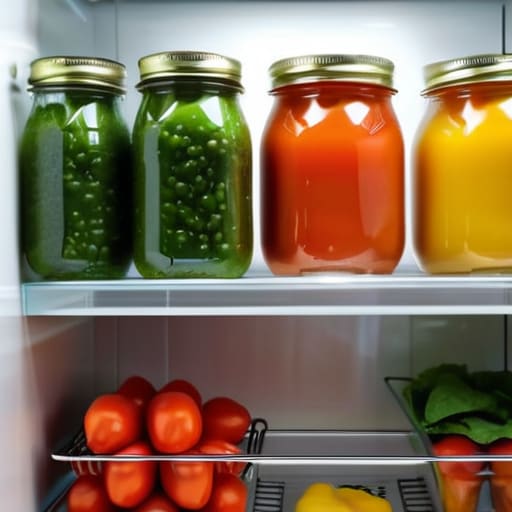
Look, I don’t care how aesthetic your fridge looks on Instagram; if you can’t find your spinach before it turns into green slime, your organization has failed. The biggest mistake I see is treating the fridge like one giant, chaotic drawer. You need to respect the safe food temperature zones. The door is the warmest spot—keep your condiments there, not your milk. The bottom shelf is your best friend for raw proteins because it stays coldest and prevents any nasty drips from contaminating your produce.
If you want to actually stop wasting money, you have to invest in a few decent bins. I’m talking about grouping “eat me first” items in one clear container so they don’t get lost in the back. This is one of those essential refrigerator organization tips that actually moves the needle on your grocery budget. Also, stop crowding everything. Air needs to circulate if you want to keep things fresh. If you pack your shelves tight like a Tetris game gone wrong, you’re basically inviting bacteria to a party. Keep it breathable, keep it categorized, and for the love of everything, stop shoving leftovers into the dark corners where they go to die.
Safe Food Temperature Zones You Cant Ignore
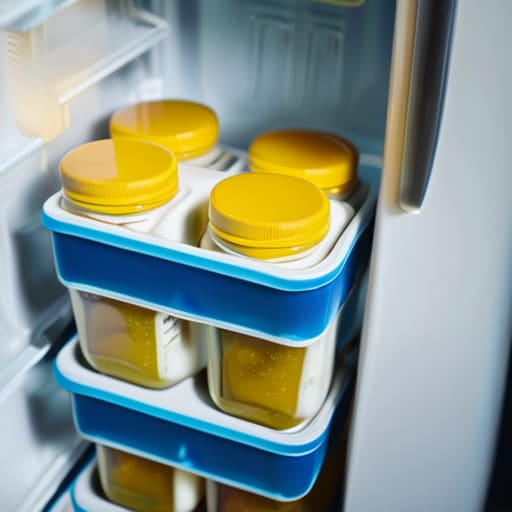
Look, I get it—you just want to shove everything in the fridge and close the door. But if you aren’t paying attention to the actual safe food temperature zones, you’re basically just running a slow-motion compost bin in your kitchen. Your fridge isn’t a uniform block of cold; it has microclimates. The door is the worst place for anything perishable because every time you grab a drink, that temperature spikes. If you keep your milk or eggs in there, you’re asking for a wasted trip to the store. Keep the door for condiments and things that can handle a little chaos, and keep the heavy hitters in the main body where it’s consistent.
Then there’s the freezer. If you notice weird ice crystals forming on your frozen peas, that’s not just “ice”—it’s a sign of temperature fluctuations that lead to nasty freezer burn. To actually fight preventing food spoilage, you need to make sure your freezer is consistently below 0°F. If your seal is crappy or you’re constantly overstuffing it, the air can’t circulate, and your expensive proteins will turn into flavorless ice blocks. It’s not about being a perfectionist; it’s about not letting your hard-earned paycheck turn into frostbite.
Stop Wasting Money: 5 Real-World Storage Hacks
- Get rid of those flimsy grocery store plastic bags. They’re useless. Invest in a set of decent, airtight glass or BPA-free containers. If air can get in, your food is dying, and you’re basically throwing cash into the bin.
- Treat your herbs like they’re actually alive. Don’t just toss them in the crisper drawer to turn into slime. Stick them in a small jar of water like a bouquet, or wrap them in a damp paper towel. It’s a tiny bit of extra work that saves you from buying replacements every week.
- Stop the “everything in the freezer” madness. Yes, freezing is great, but if you throw a whole block of cheese or a massive bag of sauce in there without portioning it out, you’ll be defrosting way more than you need. Portion everything into smaller, usable amounts before it hits the ice.
- Learn the “First In, First Out” rule. It sounds like something from a boring warehouse manual, but it’s the only way to survive a small kitchen. When you get new groceries, move the older stuff to the front. If you keep burying the old yogurt at the back, you’re just waiting for it to expire.
- Use your pantry for what it’s actually for. Keep your dry goods—rice, pasta, beans—in sealed containers to keep the pests out and the freshness in. If you leave them in the original cardboard boxes, they’re just begging to get stale or attract ants.
The Bottom Line: Stop Wasting Food and Money
Ditch the aesthetic glass jars if they don’t work; just use airtight containers that actually keep your leftovers from turning into science experiments by Wednesday.
Stop guessing where things go—keep your perishables in the coldest zones and treat your fridge like a system that needs logic, not just vibes.
If a storage method doesn’t actively extend the life of your food or save you a trip to the store, it’s just clutter. Stick to what’s functional.
Bottom Line: Stop Wasting Your Hard-Earned Cash
Look, I know it feels like a chore to constantly check your temp zones or reorganize your crisper drawer, but the math is simple: if you aren’t storing your food right, you are literally throwing money into the trash. Between mastering those fridge temperature zones and actually using airtight containers instead of just shoving things in the door, you’re building a system that works for you. It’s not about having a Pinterest-perfect kitchen; it’s about making sure that spinach you bought on Monday isn’t a slimy, unusable mess by Wednesday. Get organized, stay disciplined, and treat your groceries like the investment they actually are.
At the end of the day, life is already chaotic enough without having to deal with food waste or the “what’s for dinner” panic because everything in the fridge died. You don’t need a fancy, high-tech pantry system to make this work—you just need a few functional habits that stick. Start small, use the tools you already have, and focus on what actually makes your week easier. Once you stop fighting your own kitchen and start managing it with a bit of intentionality, you’ll realize that a little bit of effort goes a long way. Let’s stop chasing the aesthetic and start making our lives actually function.
Frequently Asked Questions
Is it actually worth buying those expensive vacuum sealers, or can I just get by with decent Tupperware?
Look, unless you’re bulk-buying meat from a wholesaler or running a small catering business, skip the fancy vacuum sealer. It’s just another gadget taking up drawer space. Honestly? Good, airtight Tupperware or even just heavy-duty freezer bags will get the job done 90% of the time. Save that money for actual groceries. If you’re organized with your containers, you’re already winning. Don’t let marketing convince you that you need more tech to eat well.
How do I know if my leftovers are actually still safe to eat or if I'm just playing Russian roulette with food poisoning?
Look, the “sniff test” is a lie. I’ve seen plenty of food look fine but still be crawling with bacteria. If it’s been sitting in the fridge for more than four days, honestly? Just toss it. If it smells funky, looks slimy, or has any weird discoloration, don’t even risk it. I’m not about to spend my entire weekend sick because I tried to save five bucks on old pasta. When in doubt, throw it out.
What’s the best way to store produce so it doesn't turn into a slimy mess in the bottom drawer after three days?
Stop letting your greens turn into a swampy disaster. First, stop washing everything the second you get home—moisture is the enemy. If you must wash them, dry them completely with a salad spinner or paper towels. Line your crisper drawer with paper towels to soak up excess humidity, and keep your fruits and veggies in separate drawers. Ethylene gas from apples will kill your lettuce faster than you can say “waste of money.”
Do I really need to freeze everything immediately, or is there a way to make things last longer without turning my whole kitchen into a walk-in freezer?
Look, I get it. Turning your kitchen into a frozen tundra is overkill and honestly, a massive waste of energy. You don’t need to freeze everything immediately. The trick is knowing what’s actually perishable. Use the “first in, first out” rule—move older stuff to the front. For things like herbs or leafy greens, a damp paper towel in a container works wonders. Freeze the stuff you know you won’t touch for a week, but live your life with the rest.