
Stop wasting your weekend watching “aesthetic” moving vlogs where people spend three hours color-coding cardboard boxes with expensive pastel markers. Honestly, if a hack doesn’t save you actual cash or prevent a mental breakdown, it’s just clutter. I learned that the hard way when I tried to move my entire life into a studio apartment using “Pinterest-approved” methods, only to realize I’d spent fifty bucks on specialized tape and still couldn’t find my coffee maker on day one. Real moving tips shouldn’t involve a lifestyle overhaul; they should be about getting your stuff from point A to point B without draining your bank account or losing your mind in the process.
I’m not here to sell you on some organized fantasy. I’m going to give you the raw, functional truth about what actually matters when you’re hauling boxes up three flights of stairs. We’re skipping the fluff and focusing on high-impact strategies—like how to pack a toolkit you’ll actually need immediately and how to triage your belongings so you aren’t moving trash. This is about efficiency over aesthetics, and I promise to only share the methods that actually work when things get messy.
The Real Costs Budgeting for a Move Without Surprises
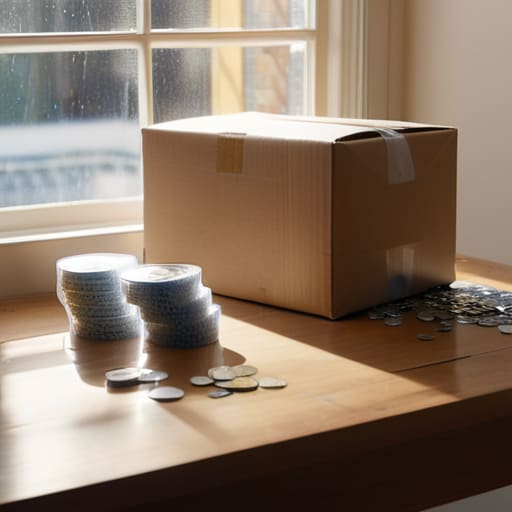
Look, everyone loves a Pinterest-perfect moving checklist, but nobody talks about the math that actually breaks your bank account. Most people focus on the big number—the truck rental or the movers—and then they get blindsided by the “death by a thousand cuts” expenses. I’m talking about the $15 you spent on tape that didn’t even hold, or the sudden realization that you need five more rolls of bubble wrap because you underestimated your glassware. When you’re budgeting for a move, you have to account for the invisible costs like cleaning supplies, new locks for the new place, or even just the extra takeout you’ll order because you’re too exhausted to cook.
My best advice? Stop buying everything brand new. Go to a local grocery store or check community groups for free boxes; buying all those packing supplies essentials from a big-box retailer is a fast way to drain your savings. Also, do not skip the decluttering before moving phase. Every single item you decide you don’t need is an item you aren’t paying to transport. If it doesn’t serve a functional purpose in your new space, get rid of it now. It’s much cheaper to sell a lamp on Marketplace than it is to pay a mover to carry it three flights of stairs.
The Moving Company Hiring Guide for Actual Savings

Look, I’ve seen too many people get burned by “low-cost” movers who end up charging an arm and a leg in hidden fees once they’re actually in your living room. My advice? Don’t just call the first name on Google. You need a solid moving company hiring guide strategy: get at least three written estimates and never settle for a verbal quote. If they won’t put the final price in writing, walk away. You want to know exactly what you’re paying for—whether it’s the heavy lifting or just the truck rental—before anyone touches a single box.
While you’re vetting companies, do yourself a massive favor and start decluttering before moving. Seriously. Every single item you decide not to keep is one less thing you have to pay a mover to carry, pack, or insure. It’s the easiest way to slash your moving costs without actually spending a dime. If you’re still holding onto that broken printer or the clothes you haven’t worn since 2019, you’re literally paying to move trash. Keep it lean, keep it functional, and save that cash for your new place.
Stop Overcomplicating the Pack: 5 Ways to Move Without Losing Your Mind
- Stop buying brand-new moving boxes. It’s a total waste of money. Hit up your local liquor stores or grocery stores early in the week; they usually have sturdy, uniform boxes they’re just looking to get rid of. Just make sure you check for heavy-duty tape—cheap tape will fail you halfway through a flight of stairs.
- Use what you already own to pad your fragile stuff. Don’t go out and buy rolls of bubble wrap for every single plate. Use your thickest hoodies, gym socks, and even those kitchen towels to wrap your glassware. It saves space in your suitcases and keeps your breakables safe without costing a dime.
- The “Essentials Box” is your best friend. Pack one clear plastic bin with everything you’ll need for the first 24 hours: a charger, a change of clothes, basic toiletries, your multi-tool, and whatever meds you take. You don’t want to be digging through twenty unmarked cardboard boxes at midnight just to find your toothbrush.
- Don’t bother with the “memory lane” purge. If you haven’t touched it in a year, don’t pay a mover to carry it to a new house. If it doesn’t serve a functional purpose or bring you genuine utility, sell it on Marketplace or donate it. Moving heavy, useless junk is just paying to transport clutter.
- Label by room AND priority. Instead of just writing “Kitchen” on a box, write “Kitchen – Daily Use” or “Kitchen – Seasonal/Rarely Used.” That way, when you’re exhausted on move-in day, you know exactly which boxes to open first to actually eat a meal, and which ones can stay stacked in the corner for a month.
The Bottom Line: What You Actually Need to Remember
Stop obsessing over aesthetic labels and just use a thick Sharpie to mark boxes by room; you’ll save hours of prep time and still find your essentials.
Don’t fall for the “all-inclusive” moving quote trap—always ask for a line-item breakdown so you aren’t getting hit with random “fuel surcharges” on move day.
If you’re on a budget, prioritize spending your cash on professional movers for the heavy stuff and use your own old towels and t-shirts as padding for the fragile bits.
Cut the Chaos and Just Move
Look, moving is objectively a massive pain in the neck, but it doesn’t have to bankrupt you or wreck your mental health. We’ve covered the essentials: stop guessing your budget and start tracking the actual costs, and for the love of everything, don’t just hire the first moving company that looks professional on paper without vetting them first. If you focus on the logistics—budgeting for the hidden fees and choosing movers who won’t charge you for every single minute they spend looking for a ramp—you’re already ahead of 90% of people. It’s about being ruthlessly practical with your resources so you aren’t left staring at an empty bank account in your new place.
At the end of the day, your new home isn’t going to be perfect the second you walk through the door. There will be boxes everywhere, you’ll probably lose your favorite screwdriver in the chaos, and nothing will be where it’s “supposed” to be. That’s fine. Don’t let the stress of a “perfect” transition stop you from actually living in your new space. Focus on getting the functional stuff sorted first—the bed, the kitchen basics, and your tech setup—and let the rest of the aesthetic fluff wait. You’ve got this; just take it one box at a time.
Frequently Asked Questions
How do I figure out if renting a truck myself is actually cheaper than hiring movers once I factor in gas and my own time?
Look, don’t just look at the rental price tag. You have to do the math on your own sanity. Calculate the rental fee, plus gas (which is always more than you think), plus the cost of truck insurance, and the price of pizza for the friends you’re inevitably begging to help. If that total is still way lower than a pro crew, go for it. But if you value your Saturday and your lower back? Just hire the movers.
What are the absolute essentials I need to pack in an "open-first" box so I'm not digging through taped-up cardboard at 11 PM?
Look, nothing kills my vibe faster than being knee-deep in bubble wrap at midnight, searching for a phone charger. Pack an “open-first” box (or a dedicated backpack) with the stuff you actually need to function. I’m talking: a multi-tool, basic meds, chargers, a change of clothes, toiletries, and some easy snacks. Throw in some trash bags and a roll of tape, too. If it keeps you from a meltdown on night one, it goes in.
Is it actually worth buying professional moving supplies, or can I just scavenge boxes from local grocery stores to save cash?
Look, if you’re on a tight budget, scavenging grocery store boxes is a solid move, but don’t be reckless. Free boxes are great for books or linens, but if you try to shove your heavy kitchen gear into a flimsy, recycled pizza box, you’re going to have a bad time (and a broken plate). My rule? Scavenge for the light stuff, but spend the few extra bucks on high-quality tape and heavy-duty boxes for anything fragile or heavy. It’s about being smart, not just cheap.
How do I protect my tech setup and expensive gear from getting trashed during the move without spending a fortune on specialized packaging?
Don’t go buying those overpriced “tech moving kits.” Honestly, most of it is a rip-off. Grab your old hoodies, thick winter socks, and those extra towels you aren’t using. Wrap your monitors and peripherals in soft fabric first, then nestle them into small, sturdy boxes. For your PC tower, pull out the heavy GPU—that’s the first thing that snaps in a bump. Pack the components separately in anti-static bags if you have them, or just bubble wrap them tight.