Stop scrolling through those aesthetic pantry reels where everything is stored in matching glass jars with minimalist labels. It’s a lie. Most of those “wellness influencers” are just teaching you how to spend three times more on expensive, single-use ingredients that will sit in your cupboard and expire before you even touch them. If you’re trying to figure out how to stock a healthy kitchen without draining your bank account or turning your apartment into a museum, you need to stop chasing the trend and start looking at what actually keeps you fed when you’re exhausted after a ten-hour shift.
I’m not here to sell you on a lifestyle of $15 organic chia seeds and artisanal oils you’ll use once. I’m going to show you how to build a pantry that actually works for a real life. We’re talking about the versatile, budget-friendly staples that make meal prep possible when you have zero brainpower left. I’ll give you my no-nonsense blueprint for buying stuff that’s actually nutritious, lasts a long time, and—most importantly—saves you money. Let’s focus on functional fuel, not pretty containers.
Nutritious Grocery List Essentials That Actually Last
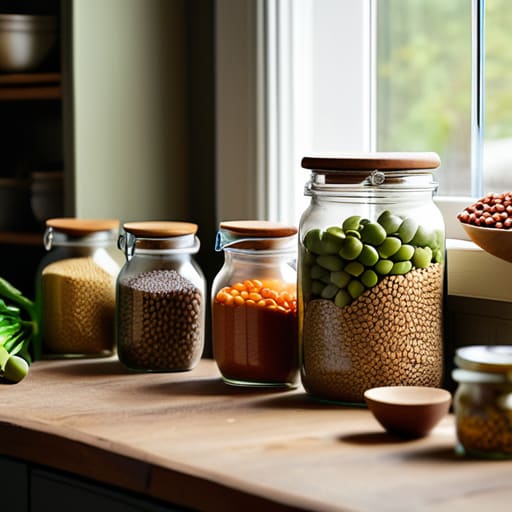
Look, if you’re buying fresh organic kale with the intention of making some fancy smoothie bowl, but it ends up as a slimy green mess in your crisper drawer by Thursday, you’re wasting money. Period. To actually make this work, you need to focus on whole food pantry staples that won’t die on you. I’m talking about dry lentils, quinoa, canned chickpeas, and brown rice. These things are cheap, they last forever, and they provide a solid base for almost any meal. If you have a bag of lentils and some frozen veggies, you have a meal. It’s not glamorous, but it’s functional.
For your fridge and freezer, stop overcomplicating things. Grab frozen spinach, frozen berries, and a bag of frozen mixed peppers. Frozen produce is often more nutritious than the “fresh” stuff that’s been sitting on a truck for a week, and it won’t rot if you have a sudden late shift at work. When it comes to meal prepping with healthy ingredients, the freezer is your best friend. It acts as a buffer against food waste and ensures you always have something edible ready when your brain is too fried to cook from scratch.
Whole Food Pantry Staples Over Trendy Superfoods
Look, I’m going to be real with you: you do not need that $25 jar of ceremonial-grade matcha or those weird, expensive “adaptogen” powders to be healthy. Most of those trendy superfoods are just clever marketing designed to drain your bank account. If you want to actually succeed at minimizing processed foods at home, you need to stop looking at the “wellness” aisle and start looking at the basics. I’ve learned from living in tight spaces and working long shifts that if a food doesn’t have a shelf life and a low price tag, it’s not going to make it into my cart.
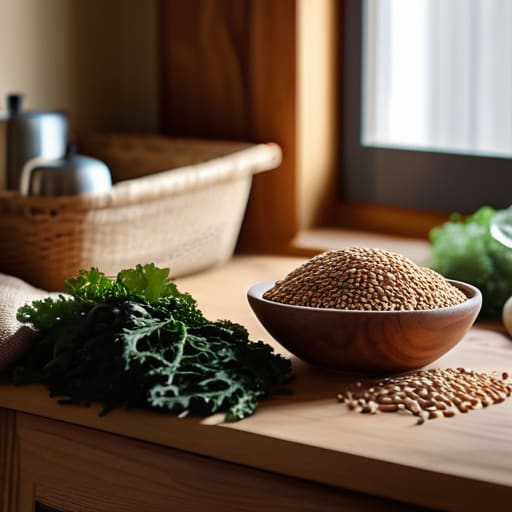
Instead, focus on building a foundation of whole food pantry staples that can actually do the heavy lifting for you. I’m talking about things like lentils, brown rice, canned chickpeas, and oats. These aren’t “exciting,” but they are the backbone of meal prepping with healthy ingredients without breaking your budget. You can turn a bag of dried beans and some basic seasonings into three different meals, whereas that expensive açai powder is just going to sit in your cupboard gathering dust. Invest your money in things that fill you up and actually last.
5 Rules to Stop Your Pantry From Becoming a Money Pit
- Stop buying fresh produce like you have a personal chef; buy frozen veggies instead. They’re just as nutritious, they won’t turn into a slimy mess in your crisper drawer after three days, and they’re way cheaper when you’re on a budget.
- Shop your own cabinets before you hit the store. I used to waste so much money buying a third jar of cumin because I couldn’t be bothered to look behind the pasta, so now I do a quick “inventory check” every single week.
- Focus on “component cooking” rather than complex recipes. Don’t buy a specific set of weird spices for one meal; just stock up on versatile bases like grains, beans, and aromatics that you can mix and match whenever you’re too tired to think.
- Ditch the “organized” clear containers if they’re costing you a fortune. They look great on TikTok, but a few mismatched Tupperware sets or even just keeping things in their original bags works fine and saves you thirty bucks you can actually spend on better quality protein.
- Build a “emergency meal” rotation. Always keep enough canned tuna, rice, and eggs on hand so that when you’ve had a brutal day at work and the temptation to spend $30 on DoorDash hits, you can make something decent in ten minutes.
The Bottom Line: Eat for Function, Not for the Feed
Stop chasing “superfood” labels that drain your bank account; focus on versatile, long-lasting staples like frozen greens and grains that actually keep you full.
Build your pantry around ingredients that can be mixed and matched, so you aren’t staring at a shelf of expensive, single-use powders when you’re too tired to cook.
Prioritize shelf life and nutrition over aesthetic packaging—if it doesn’t save you time during a busy work week or money on your grocery bill, it doesn’t belong in your kitchen.
Stop Overthinking and Just Start
Look, the goal here isn’t to build a gourmet kitchen that looks like a Pinterest board; it’s about building a system that keeps you fed without breaking the bank or your spirit. We’ve covered the basics: stop chasing expensive, single-use “superfoods” and start investing in versatile, long-lasting staples like frozen greens, grains, and proteins. By focusing on items that actually have a shelf life and can be thrown together in ten minutes, you’re removing the biggest obstacle to eating well: decision fatigue. If you have the right foundation in your pantry, you won’t be staring blankly at your fridge at 8:00 PM wondering why you have nothing to eat. Build for utility, not for show.
At the end of the day, a “healthy kitchen” is just a kitchen that works for your actual life. You’re going to have weeks where you eat nothing but cereal, and that’s fine—don’t let a failed meal plan make you feel like you’ve lost control. The point is to have the tools and the ingredients ready so that when you actually have the bandwidth to cook, the friction is gone. Stop waiting for the perfect, organized pantry setup to begin. Grab a bag of rice, some frozen veggies, and some eggs, and just get moving. Real productivity is about making the healthy choice the easiest choice.
Frequently Asked Questions
How do I stop my fresh produce from rotting in the crisper drawer before I actually get around to cooking it?
Stop treating your crisper drawer like a graveyard for expensive produce. First, stop washing everything the second you get home—moisture is the enemy and it’s what triggers rot. Keep greens in airtight containers with a paper towel to soak up excess humidity, and for herbs, treat them like flowers in a jar of water. If you see something wilting, don’t toss it; chop it up and freeze it for a smoothie or soup base.
I'm on a super tight budget—what are the cheapest ways to get protein without buying expensive pre-packaged stuff?
Look, stop eyeing the expensive protein bars and pre-marinated chicken breasts; they’re basically just overpriced marketing. If you’re on a budget, you need to pivot to the basics. Dry lentils and beans are your best friends—they’re dirt cheap, last forever, and you can batch-cook them on a Sunday to save time. Grab some eggs and canned tuna too. It’s not “aesthetic,” but it gets the job done without draining your bank account.
Is it actually worth buying frozen veggies, or am I just settling for lower quality?
Look, if you’re worried about quality, stop overthinking it. Honestly? Frozen veggies are a total cheat code. Most of them are flash-frozen right after harvest, meaning they actually lock in more nutrients than those “fresh” bags that have been sitting in a truck for a week. Plus, they don’t rot in your crisper drawer while you’re working overtime. Buy the frozen stuff. It’s cheaper, lasts longer, and saves you from wasting money on wilted spinach.
How do I figure out how much to buy so I don't end up with a mountain of food that goes to waste?
Stop playing the guessing game with your grocery budget. The trick is to shop for your actual life, not the version of yourself that meal preps every Sunday. Start by auditing what you actually eat in a week, then buy just enough for those specific meals plus a few versatile backups. If you’re unsure, buy smaller quantities or frozen versions. It’s better to run out of spinach than to throw a slimy bag in the trash.