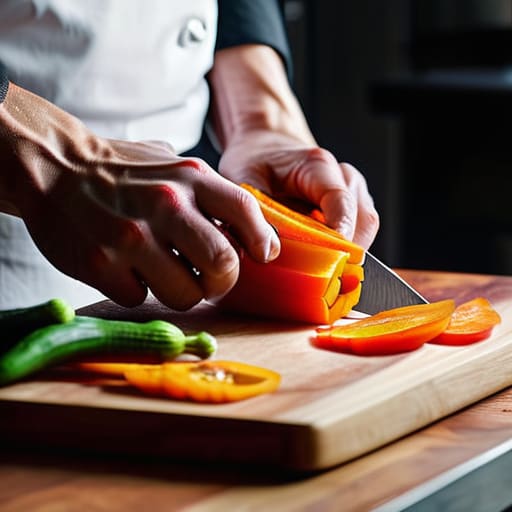
I am so sick of seeing those aesthetic “meal prep” videos where people spend three hours color-coding glass containers and using specialized gadgets you’ll never actually touch again. Honestly, if you’re spending your entire Sunday performing surgery on a bell pepper just to look good on a grid, you’re doing it wrong. When I was living in that tiny studio apartment with barely enough counter space to crack an egg, I realized that learning how to prep vegetables isn’t about artistry; it’s about survival and efficiency. You don’t need a mandoline slicer or a designer knife set to get through the week; you just need a system that doesn’t suck.
I’m not here to give you a lecture on culinary school techniques or tell you to buy more stuff. I’m going to show you the actual, messy way to get your veggies ready so they don’t rot in the crisper drawer and so you can actually eat something decent after a long shift. We’re focusing on high-yield, low-effort methods that save you both time and money. No fluff, no fancy plating—just practical steps to make your kitchen work for you.
Mastering Basic Knife Skills for Vegetables
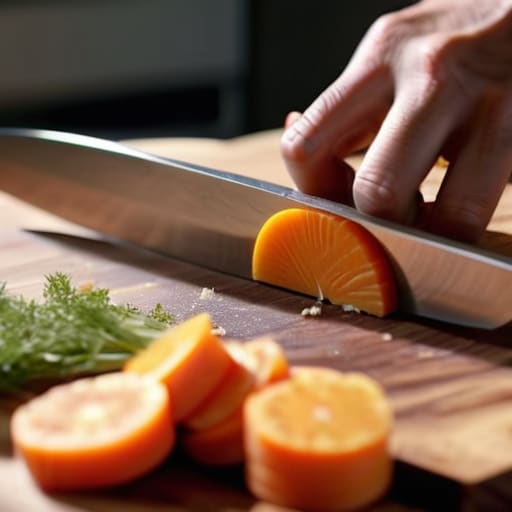
Look, I’m not going to tell you to go out and buy a $300 Japanese Damascus steel blade. Seriously, don’t. If you’re just doing meal prep for beginners, a decent, sharp chef’s knife is all you actually need. The goal isn’t to make your carrots look like art for an Instagram story; it’s about speed and safety. If your knife is dull, you’re going to slip, and then you’re spending your evening in the ER instead of relaxing. Spend the extra ten bucks on a honing rod or just get a decent mid-range knife that actually holds an edge.
When it comes to actual knife skills for vegetables, the most important thing is the “claw grip.” Tuck your fingertips in so your knuckles guide the blade. It feels weird at first, but it stops you from slicing a finger off when you’re tired after a long shift. Don’t obsess over perfectly uniform cubes, either. As long as the pieces are roughly the same size, they’ll cook at the same rate in the pan, which is the only thing that actually matters for your dinner. If you can chop a bell pepper or an onion in under two minutes without losing a digit, you’re winning.
Essential Kitchen Tools for Vegetable Prep
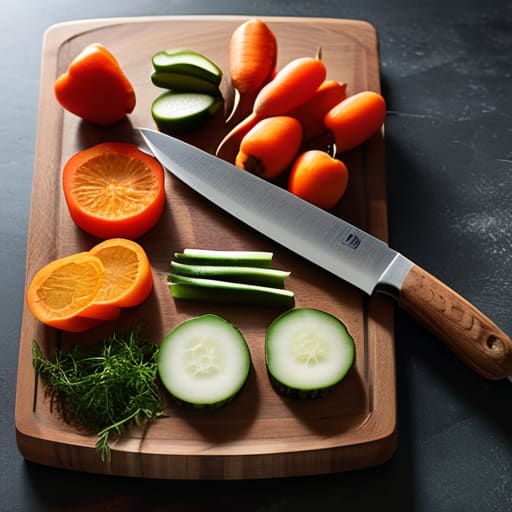
Look, you don’t need a professional chef’s knife set or a kitchen full of gadgets that take up more space than they’re worth. I grew up in a tiny apartment where every inch of counter space was a premium, so I learned early on that less is actually more. If you’re just starting with meal prep for beginners, you really only need three things: a decent chef’s knife, a heavy-duty cutting board (wood or thick plastic, skip the flimsy ones), and a sharp vegetable peeler. If your peeler is dull, you’re just hacking at the food and wasting time, which is exactly what we’re trying to avoid.
Once you’ve got the basics, don’t go overboard with specialized slicers or mandolines unless you actually use them every single week. Instead, invest in a few high-quality, airtight glass containers. This is a huge part of my vegetable storage tips because if you prep everything on Sunday but your containers let air in, you’re basically throwing money in the trash by Wednesday. Get some containers with good seals, and maybe a couple of reusable silicone bags. It’s about being functional—keep the stuff you use daily close at hand, and keep the rest tucked away so your workspace stays clear.
My No-Nonsense Rules for Prepping Without Losing Your Mind
- Stop washing everything individually. Throw your hardy veggies in a colander, rinse them all at once, and let them air dry. If you try to hand-dry every single piece of broccoli, you’re just wasting ten minutes you don’t have.
- Group by “use case,” not just by vegetable. I don’t just chop carrots; I chop a big batch of “everything that goes in a stir-fry” and a separate batch of “everything for my morning omelet.” It makes actual cooking way faster when the decision-making is already done.
- Don’t get precious about shapes. If you’re making a soup or a stew, who cares if the onion chunks are uneven? Just get them chopped and into the container. Uniformity is for food stylists; we’re here for efficiency.
- Use the “one-and-done” rule for scraps. Keep a single large container in your freezer for onion skins, carrot ends, and celery tops. When it’s full, boil it for broth. It’s free flavor and zero waste, which is basically the ultimate budget hack.
- Invest in decent airtight containers, but don’t go overboard. You don’t need a color-coded organizational system that looks like a Pinterest board. Just get a few sturdy, stackable glass or BPA-free plastic bins so your prep doesn’t turn into a slimy mess by Wednesday.
The Bottom Line: Prep Smarter, Not Harder
Stop aiming for Michelin-star precision; if the pieces are relatively uniform, they’ll cook evenly enough, so don’t let perfectionism turn a 10-minute task into a 30-minute ordeal.
Invest in one decent chef’s knife and a solid cutting board rather than a drawer full of cheap, useless gadgets that just take up space and make prep more frustrating.
Batch your prep by vegetable type to save time—don’t switch back and forth between chopping carrots and onions; finish one entire task before moving to the next to keep your momentum up.
Stop Overthinking It and Just Start
Look, we’ve covered the basics: get a decent knife that actually holds an edge, stop buying every single gadget on the market, and learn enough knife skills so you aren’t staring at a carrot for ten minutes straight. The goal isn’t to become a Michelin-star chef; it’s about minimizing the friction between you and a decent meal. If you’ve got a sharp blade, a stable cutting board, and a system for washing and chopping your veggies once a week, you’ve already won half the battle. Don’t let the lack of a professional kitchen setup stop you. Just focus on the efficiency of the process so you can spend less time hovering over a cutting board and more time actually eating.
At the end of the day, meal prepping is just another form of systems administration. You’re just optimizing your personal workflow to prevent a total system crash on a Tuesday night when you’re too tired to function. It’s not about the aesthetic containers or the perfectly uniform dice you see on your feed; it’s about making your life work within the constraints of your budget and your schedule. So, grab your multi-tool if you need to fix a loose drawer, get your prep done, and stop chasing perfection. Just get it done, get it organized, and move on to the next thing.
Frequently Asked Questions
How do I keep my chopped veggies from turning into a soggy, brown mess in the fridge by Wednesday?
Look, if your prep is turning into mush by mid-week, you’re probably trapping moisture where it doesn’t belong. Stop throwing everything into one big plastic tub. Use glass containers and, most importantly, line them with a dry paper towel to soak up excess condensation. Also, keep your “wet” veggies—like sliced cucumbers—separate from your “dry” ones like carrots or peppers. It’s not fancy, but it actually works.
Is it actually worth buying those expensive specialized containers, or can I just use whatever Tupperware I already have?
Look, unless you’re running a professional kitchen, don’t waste your paycheck on those aesthetic, vacuum-sealed glass sets you see on TikTok. It’s a total money pit. If your old Tupperware is airtight and fits in your fridge, use it. The only thing worth investing in is a decent set of containers that actually stack well—saving space is more important than looking pretty. If it doesn’t keep the veggies crisp or save me shelf space, I’m not buying it.
Do I really need to wash everything before I chop it, or am I just wasting water and time?
Look, I get it—every second counts when you’re trying to meal prep before your next shift. But don’t be lazy here. If you chop unwashed veggies, you’re literally cutting dirt and bacteria directly into your food. It’s gross and a waste of effort if you end up sick. Just do a quick rinse in a colander. It takes thirty seconds, saves your sanity, and ensures you aren’t eating grit. Just wash them.
What’s the best way to prep things like onions without feeling like I'm going to cry for twenty minutes straight?
Look, I don’t have time for a dramatic crying session over an onion. First, use a sharp knife—a dull blade crushes the cells and releases all those eye-stinging gases. Second, chill the onion in the fridge for fifteen minutes before you start; it slows down the chemical reaction. Finally, leave the root intact while you chop. That root is where the sulfur is concentrated. Keep it whole until the very end, and you’re good.