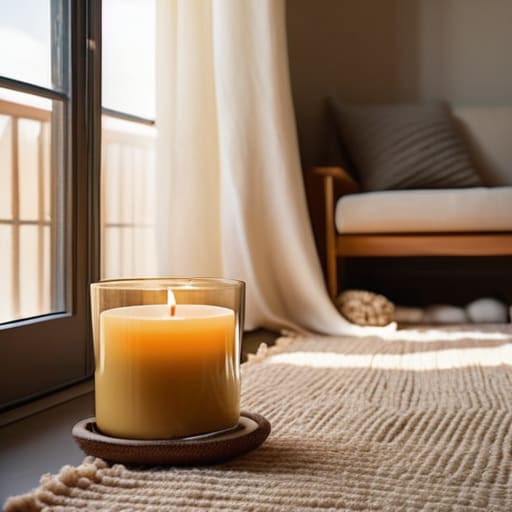
Stop scrolling through those Pinterest boards filled with $500 linen pillows and “aesthetic” beige furniture that looks like it would snap if you actually sat on it. Honestly, if you think you need a massive budget or a professional interior designer to figure out how to make your home cozy, you’ve been lied to by influencers who don’t have to pay rent. I grew up in a tiny, cramped apartment where “cozy” usually just meant not feeling like I was living in a sterile hospital room, and I learned the hard way that comfort isn’t about how much you spend—it’s about how the space actually functions for your real, messy life.
I’m not here to sell you on a curated lifestyle or tell you to buy things you don’t need. Instead, I’m going to give you the actual, no-nonsense blueprint for creating a space that feels warm and lived-in without draining your bank account. We’re going to focus on high-impact, low-cost tweaks—think lighting, texture, and layout—that prioritize utility and comfort over social media trends. Let’s get your space working for you.
Mastering Textile Layering Techniques Without Overspending
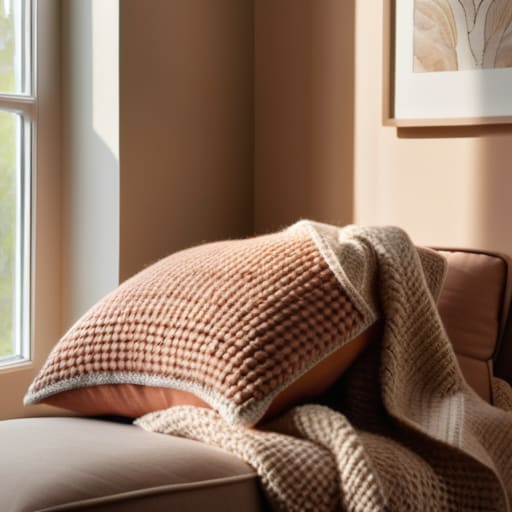
Look, you don’t need a massive budget or a designer to make a room feel lived-in. Most people think “cozy” means buying a whole new furniture set, but that’s a waste of cash. The real secret lies in textile layering techniques that add depth without cluttering your space. I’m talking about grabbing a couple of high-texture throw pillows from a thrift store or even just repurposing an old, oversized knit sweater as a makeshift throw. The goal isn’t to match everything perfectly—that’s for catalogs. You want a mix of materials like cotton, wool, or linen that actually feel good against your skin.
When you’re layering, focus on the sensory experience rather than just the look. If you’re working on your sofa, don’t just toss a blanket on top; drape it so it looks like you actually use it. This is a huge part of creating a sanctuary at home where you can actually decompress after a long shift. If your apartment feels cold, it’s usually because there’s too much hard surface area—wood, metal, plastic. Throwing down a cheap, textured rug or even just adding a few heavy curtains can dampen the echo and make the room feel instantly more grounded. Keep it functional, keep it soft, and stop overthinking the color palette.
The Minimalist Cozy Aesthetic Less Stuff More Comfort
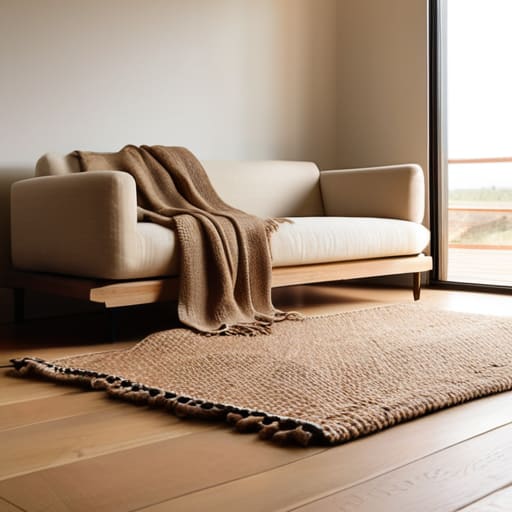
Look, I get the urge to go out and buy every “aesthetic” trinket you see on your feed, but let’s be real: clutter is the enemy of relaxation. If your space is packed with useless knick-knacks, you aren’t creating a sanctuary; you’re just managing more stuff. To nail the minimalist cozy aesthetic, you need to focus on the quality of your environment rather than the quantity of your belongings. I’ve learned from living in tiny apartments that if an object doesn’t serve a purpose or bring me genuine peace, it’s just taking up valuable mental bandwidth.
Instead of filling shelves, focus on your sensory inputs. Start with warm lighting for living rooms—swap out those harsh, clinical overhead LEDs for a couple of low-wattage lamps or even some smart bulbs set to a warm amber hue. It changes the entire vibe instantly without costing a fortune. Pair that with a single, high-quality candle or a subtle diffuser. You don’t need a showroom; you just need a space that actually feels like a place to breathe. Keep it simple, keep it functional, and stop letting “stuff” crowd out your comfort.
Stop Buying Decor: 5 Ways to Actually Make Your Space Feel Like a Home
- Ditch the “big light.” Seriously, overhead lighting is the enemy of cozy. If you’re still using that harsh ceiling fixture, you’re doing it wrong. Grab a couple of cheap floor lamps or even some string lights and tuck them into corners. Low-level, warm lighting is the fastest way to kill that sterile, dorm-room vibe without spending a fortune.
- Fix your scent without the chemical headache. Most of those expensive, overpriced candles are just a way to burn money. If you want your place to smell like a home, try simmering some cinnamon sticks and citrus peels in a pot on the stove, or just get a basic essential oil diffuser. It’s functional, it’s cheap, and it actually works.
- Audit your “clutter” vs. your “comfort.” There’s a difference between a messy room and a lived-in one. If you have piles of stuff that just stress you out, get rid of them. But if you have that one worn-out sweatshirt or a stack of books you actually love, keep them out. A space feels cozy when it reflects your real life, not a catalog.
- Use your tech to set the mood. Since I spend half my life staring at screens, I realized how much the “vibe” depends on sound. Don’t just sit in silence; set up a dedicated lo-fi or ambient noise playlist on your smart speaker. It fills the empty gaps in a room and makes even a tiny studio apartment feel much more intentional.
- Bring in some actual life, not fake plastic. I started an indoor herb garden on my windowsill because it was cheaper than buying fresh basil every week, and it totally changed the energy of my kitchen. Plants make a room feel breathing and alive. If you’re worried about killing them, start with a pothos—they’re basically unkillable and actually help clean the air.
The No-BS Summary
Stop chasing “aesthetic” Pinterest hauls; focus on high-quality textures like thick blankets and pillows that actually feel good against your skin.
Prioritize lighting over decor—swap your harsh overhead lights for warm lamps to change the entire vibe without spending a fortune.
If an item doesn’t serve a functional purpose or add genuine comfort, it’s just clutter that’s stealing your space and your peace.
Stop Chasing the Aesthetic and Start Living
Look, making a home cozy isn’t about having a Pinterest-perfect living room that you’re too afraid to actually sit in. We’ve covered how to layer textiles without draining your bank account and why stripping back the clutter is actually better for your mental headspace than buying more “aesthetic” knick-knacks. At the end of the day, it’s about functional comfort. If you have soft lighting, a few textures that actually feel good against your skin, and enough breathing room to move around, you’ve already won. Don’t let the internet convince you that you need a thousand tiny decorations to feel at home; you just need a space that actually works for your real life.
My advice? Stop waiting for the “perfect” moment or the “perfect” budget to fix your space. Start with what you have, fix what’s broken, and add what actually brings you peace. Your home shouldn’t be a showroom; it should be your sanctuary from a chaotic world. If a chair is comfortable and a lamp makes your reading nook feel private, that is enough. Focus on the utility, prioritize your comfort, and stop stressing over the trends. You deserve a space that feels like a deep breath, not a chore.
Frequently Asked Questions
I don't have a huge budget—can I actually make a rental feel cozy without losing my security deposit?
Look, I lived in a shoebox apartment for years, so I get it. You don’t need to paint walls or drill holes to fix the vibe. Stick to Command hooks for art and peel-and-stick lighting if you’re desperate. Focus on things you can take with you—rugs to cover ugly flooring and floor lamps to kill that harsh overhead lighting. It’s about layering texture, not changing the architecture. Keep your deposit; just buy better lighting.
How do I add "cozy" vibes to a room without it just looking like a cluttered mess of random stuff?
Look, “cozy” shouldn’t mean “hoarding.” The trick is to focus on sensory impact rather than just adding more objects. Instead of buying five cheap knick-knacks, invest in one high-quality, oversized throw or a single warm-toned lamp. Lighting is everything—swap those harsh overheads for soft, low-level light. If an item doesn’t serve a functional purpose or actually make you feel relaxed, it’s just visual noise. Keep it intentional, not cluttered.
What’s the best way to use lighting to fix a space that feels cold or sterile without buying expensive smart bulbs?
Forget the expensive smart bulbs; they’re usually a gimmick that breaks in six months anyway. The trick is to kill the “big light”—that harsh overhead fixture that makes your apartment feel like a doctor’s office. Instead, grab a few cheap warm-toned floor lamps or even some basic LED strips from a hardware store. Hide them behind plants or furniture to create soft, indirect light. It’s about layering warmth, not tech.
Is there a way to make a small, cramped apartment feel warm instead of just feeling claustrophobic?
Look, I get it. I grew up in a shoebox apartment where every square inch felt like it was closing in. The trick isn’t adding more stuff—that just makes it feel like a storage unit. Focus on lighting and “zones.” Swap those harsh overhead lights for a cheap warm lamp or some LED strips behind your desk. It creates depth. Also, use rugs to define your “living” area versus your “sleeping” area. It tricks your brain into feeling like you have more room to breathe.