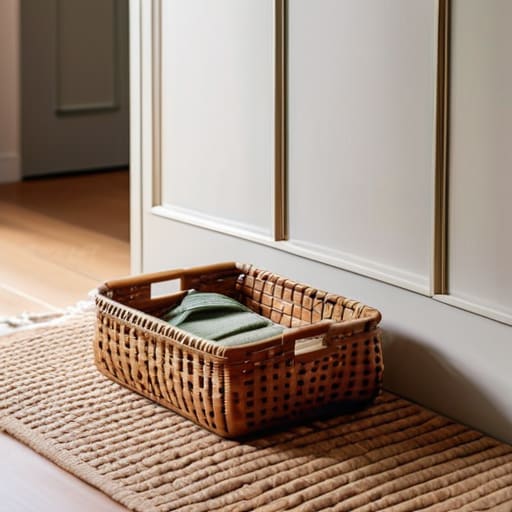
Stop wasting your hard-earned money on those overpriced, aesthetic wicker baskets you see on Pinterest; let’s be real, they’re just dust magnets that’ll be overflowing with mail and junk in a week. I grew up in a tiny apartment where every square inch mattered, so I learned early on that if a storage solution isn’t actually tough, it’s just clutter in disguise. If you’re looking for a guide on how to organize your entryway that involves buying a $200 minimalist console table you can’t even fit your keys on, you’re in the wrong place. We aren’t here for the “curated look”—we’re here to stop the daily chaos of tripping over boots and losing your wallet before you even get out the door.
I’m not going to give you a list of expensive decor hacks that look pretty but fail the moment you actually live your life. Instead, I’m sharing the brutally functional systems I use to keep my own space running smoothly without breaking the bank. We’re going to focus on high-utility, low-cost fixes that actually work for real people with busy schedules. Let’s get your space sorted so you can stop fighting your front door every single morning.
Smart Shoe Storage Solutions for Foyers That Actually Work
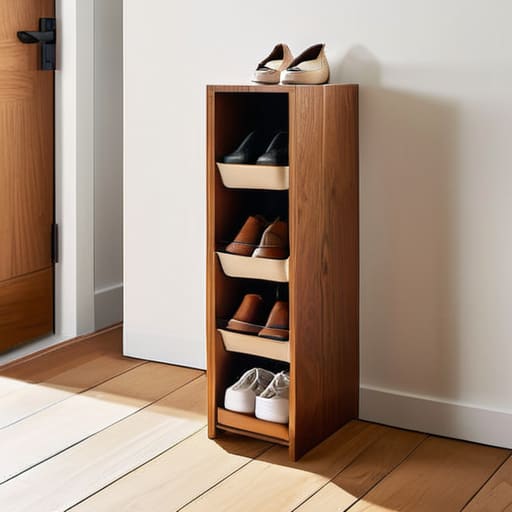
Look, we’ve all seen those Pinterest-perfect mudrooms with the custom built-ins and the white oak benches. They look great in a photo, but if you actually live in a real apartment or a house with more than two people, they’re a fantasy. Most of us are dealing with limited square footage, so you need shoe storage solutions for foyers that prioritize access over aesthetics. If you have to dig through a pile of sneakers to find your boots, the system has already failed.
I’m a huge fan of verticality because floor space is expensive. If you’re working with a tight hallway, skip the bulky wooden shoe cabinets and go for something slim or even wall-mounted. I personally swear by a heavy-duty boot tray tucked under a small console; it catches the mud and salt so you aren’t tracking it into your living room, and it’s easy to clean. For more permanent setups, look for entryway furniture for small spaces that incorporates cubbies. It keeps the chaos contained and ensures you aren’t playing a game of “where is my left loafer” every single morning when you’re already running five minutes late.
Maximizing Every Inch With Entryway Furniture for Small Spaces
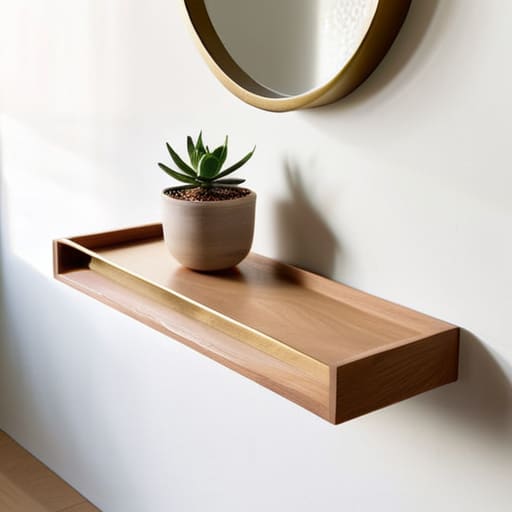
If you’re living in a space where every square inch feels like it’s fighting for survival, stop looking for massive, heavy consoles that eat up your floor plan. You need entryway furniture for small spaces that pulls double duty. I’m talking about a slim, wall-mounted console table—the kind that’s barely a few inches deep—so you can still walk through the door without doing a side-step maneuver. If you can’t find one, a floating shelf works just as well. It gives you a spot to drop your keys and mail without the bulk of a traditional piece.
Since I grew up in a tiny apartment, I learned early on that if it doesn’t have a purpose, it shouldn’t be in your way. Instead of buying a decorative bench that just sits there looking pretty, look for something with built-in storage underneath. A small ottoman or a narrow bench with a lid can hide your seasonal gear or extra cleaning supplies. This is one of those small entryway organization tips that actually pays off: if a piece of furniture doesn’t help you clear the clutter, it’s just taking up space you don’t have. Keep it lean, keep it useful, and move on.
Stop the Clutter Chaos: 5 Ways to Actually Keep Your Entryway Functional
- Ditch the “everything” bowl. We all have that one tray or bowl where we dump keys, loose change, and random receipts, but it becomes a black hole within three days. Get a dedicated, small tech organizer or a specific heavy-duty tray for your essentials so you aren’t tearing the house apart looking for your keys when you’re already five minutes late.
- Use vertical space for things that don’t belong on the floor. If you’re living in a tight spot like I did growing-up, floor space is premium real estate. Mount heavy-duty hooks for your bags and coats instead of letting them pile up on a chair. If it’s hanging, it’s not a tripping hazard.
- Set up a “Launchpad” station. This is a non-negotiable for anyone who struggles with morning brain fog. Keep a small basket near the door specifically for things you need before you leave—like your ID, your sunglasses, or your portable charger. If it’s not in the basket, it doesn’t exist.
- Stop buying “decorative” bins that are too small for actual stuff. I see these aesthetic, tiny wicker baskets all over social media that can barely hold a single pair of gloves. Buy larger, sturdy plastic bins or heavy-duty fabric containers that actually fit your winter gear or mail. If it doesn’t hold the bulk, it’s just more clutter.
- Implement a “One-In, One-Out” rule for your entryway gear. If you buy a new pair of heavy boots, the old, beat-up ones go to the back of the closet or the donation bin. Your entryway shouldn’t be a storage unit for everything you own; it’s a transition zone, so keep the inventory low.
The Bottom Line: Stop Decorating, Start Organizing
Ditch the aesthetic “shoe displays” and get a sturdy, closed-off bin or rack that actually keeps the floor clear so you aren’t playing obstacle course every time you walk in.
If you’re living in a small space, your entryway furniture needs to pull double duty; if it doesn’t have storage built-in, it’s probably just taking up space you don’t have.
Only invest in organization tools that solve a specific friction point in your daily routine—if it doesn’t save you time or mental energy, it’s just more clutter to manage.
Stop Overthinking It and Just Start
Look, at the end of the day, an organized entryway isn’t about having a Pinterest-perfect mudroom that looks like no one actually lives there. It’s about making sure you aren’t hunting for your keys for ten minutes while you’re already late for work, or stepping on a pile of damp sneakers when you walk through the door. We covered the essentials: get some actually functional shoe storage that fits your footprint, and pick furniture that serves a dual purpose instead of just taking up floor space. If a piece of decor doesn’t have a job to do—like holding your mail or giving you a place to sit while you lace up—it’s just clutter waiting to happen.
Don’t get paralyzed trying to find the “perfect” aesthetic or the most expensive modular system on the market. My apartment was a disaster zone for years until I realized that a cheap plastic bin and a sturdy hook were more valuable to my sanity than a designer console table I couldn’t afford. Focus on the friction points in your daily routine and solve them with whatever tools you have on hand. You don’t need a lifestyle overhaul; you just need a system that works for the life you’re actually living. Now, go grab a bin, clear that floor, and stop letting your entryway run your morning.
Frequently Asked Questions
I don't have a dedicated foyer, so how do I organize an entryway in a tiny apartment hallway without it feeling cluttered?
Look, I grew up in a cramped apartment where “entryway” was just a patch of floor next to the fridge. If you don’t have a foyer, stop trying to force one. Forget bulky consoles. Use heavy-duty command hooks on the wall for keys and bags, and grab a slim, vertical shoe rack that tucks behind a door. If it doesn’t serve a purpose or save you a step, it’s just clutter. Keep it vertical, keep it slim.
What's the best way to manage all the random stuff like mail, keys, and chargers without buying a bunch of expensive organizers?
Look, stop scrolling through those “aesthetic organization” hauls. You don’t need a $50 marble tray for your keys. Grab an old cereal box, wrap it in some leftover scrap paper, and boom—you’ve got a mail sorter. For chargers, use binder clips on the edge of your console table to keep cables from sliding onto the floor. It’s cheap, it’s ugly, but it actually works and keeps your junk from spreading.
How do I keep the shoe situation under control if I live with roommates who never put their stuff away?
Look, I’ve lived in cramped apartments with roommates who treat the floor like a shoe graveyard, so I get it. Stop expecting them to magically change; you have to engineer the environment. Get a vertical shoe rack or a tiered organizer right by the door. If it’s easy to toss them in, they’re more likely to do it. If that fails? Get a cheap, heavy-duty boot tray. It contains the mess so it doesn’t spread.
Are there any cheap, DIY ways to add hooks or storage if I'm renting and can't drill holes into the walls?
Look, if you’re renting, the last thing you want is a security deposit deduction because you decided to go rogue with a power drill. Skip the permanent hardware and grab some heavy-duty Command hooks—just make sure you clean the wall with rubbing alcohol first so they actually stay put. If you need more weight capacity, get a freestanding tension pole or a slim rolling cart. It’s not as “aesthetic” as built-ins, but it works and won’t cost you a month’s rent.