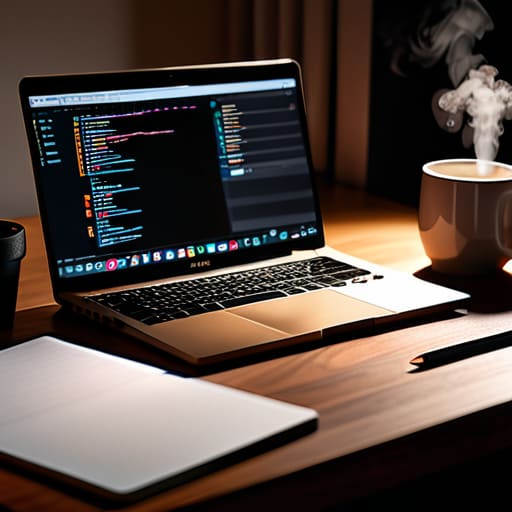
I am so sick of seeing those $50 “productivity planners” and aesthetic desk setups on my feed, acting like a rose-gold mechanical keyboard and a color-coded calendar are the secrets to getting things done. Seriously, if you think buying a new notebook is going to teach you how to manage deep work sessions, you’re just wasting money you don’t have. I spent years thinking I needed the perfect “flow state” environment, only to realize that my cramped apartment and a constant stream of Slack notifications were the real enemies. Real focus isn’t about how pretty your workspace looks; it’s about ruthless prioritization and cutting out the noise that drains your brain before you even start.
I’m not going to give you any fluff or “mindfulness” hacks that take twenty minutes to set up. Instead, I’m sharing the gritty, functional systems I actually use as a sysadmin to stay locked in when everything is breaking at once. We’re going to talk about low-cost, high-impact tactics that actually protect your time. If a method doesn’t save you mental energy or help you finish your tasks faster, I’m not going to waste your time with it. Let’s get to work.
Eliminating Digital Distractions to Reclaim Your Time

Look, I’m going to be real with you: your phone is a dopamine vending machine, and every time it buzzes, you’re losing money. I used to think I could “multitask” while keeping my Slack notifications on, but all I did was end up exhausted and behind on my tickets. If you want to actually get into a flow state, you have to stop treating your attention like it’s infinite. Eliminating digital distractions isn’t about being a monk; it’s about protecting your cognitive bandwidth so you don’t feel like a zombie by 3 PM.
My rule of thumb? If it’s not essential to the task right in front of you, it’s noise. I put my phone in another room—literally, out of sight—and use browser extensions to kill every single social media tab. It sounds extreme, but minimizing cognitive load is the only way to stop your brain from constantly switching gears. Stop trying to “discipline” your way through a barrage of pings; just remove the temptation entirely. If the notification isn’t a literal server emergency, it can wait until your timer is up.
Time Blocking for Deep Work That Actually Works
Look, I’ve seen enough “aesthetic” color-coded calendars on TikTok to know that most people are just playing house with their productivity. If your schedule looks like a rainbow but you still haven’t finished a single task, you’re doing it wrong. Real time blocking for deep work isn’t about making a pretty grid; it’s about drawing a line in the sand and refusing to cross it. I don’t block out my whole day—that’s a recipe for burnout and a messy schedule when things inevitably go sideways. Instead, I pick my two most critical, brain-heavy tasks and carve out non-negotiable chunks of time for them.
The goal here is protecting cognitive bandwidth. Every time you jump from a complex coding problem to a quick Slack check, you’re paying a “switching tax” that drains your mental battery. I treat my deep work blocks like a physical appointment I can’t miss. During these windows, I don’t just “try” to focus; I set the environment so that focus is the only option. If it isn’t a scheduled block, it doesn’t exist. Stop trying to multitask your way to success and start guarding your time like it’s your most precious resource—because it is.
Stop Setting Yourself Up for Failure: 5 Real-World Rules for Deep Work
- Stop pretending you can multitask. Your brain isn’t a high-end server; it’s more like an old laptop that starts lagging the second you open too many tabs. Pick one single, high-priority task and commit to it. If you’re trying to code while checking Slack every ten minutes, you aren’t working—you’re just performing “busyness.”
- Optimize your physical environment, not just your digital one. I don’t care if your desk isn’t “aesthetic,” but if your workspace is a chaotic mess of half-empty coffee mugs and random cables, your brain is going to feel that friction. Clear a small, functional zone where nothing exists except the tools you need for that specific task.
- Use a timer, but don’t get obsessed with fancy apps. I use a basic kitchen timer or a simple stopwatch. Set it for a block of time—maybe 50 or 90 minutes—and treat that timer like a hard deadline. When it’s running, you’re in the zone. When it dings, you get up and move.
- Manage your biological energy, not just your clock. If you’re a night owl, stop trying to force “deep work” at 7 AM just because some productivity guru told you to. Figure out when your brain actually functions at peak capacity and guard that time like it’s your most expensive piece of hardware.
- Build in “buffer zones” between sessions. You can’t jump straight from a high-intensity deep work block into a team meeting without your brain short-circuiting. Give yourself ten minutes to just stare at a wall, grab water, or tend to my herb plants. If you don’t decompress, you’ll burn out by noon.
Stop Overcomplicating It and Just Start
Look, we’ve covered a lot, but let’s strip it back to the basics so you don’t get overwhelmed. We talked about nuking your digital distractions because those pings are nothing but thieves, and we looked at how time blocking only works if you actually stick to the damn schedule instead of treating it like a suggestion. You don’t need a $50 productivity app or a custom-built mahogany desk to get things done. You just need to protect your focus, manage your environment, and stop letting small interruptions dictate your entire day. If you implement even half of this, you’re already ahead of most people who are just busy being busy.
At the end of the day, deep work isn’t about achieving some zen-like state of perfection; it’s about getting the job done so you can actually enjoy your life once you log off. I’ve spent enough time staring at screens trying to “optimize” my existence to know that the goal isn’t to be a machine—it’s to be efficient enough to have time for the things that actually matter, like a hobby or just sitting in silence. Don’t let the pursuit of “perfect productivity” become just another chore on your list. Focus on what works for you, keep it functional, and go live your life.
Look, once you’ve actually carved out those blocks of time, you need to make sure your environment isn’t working against you. I used to think I could just “power through” a noisy apartment, but that’s a lie we tell ourselves to feel productive. If you’re struggling to find a rhythm or just need a reliable place to find niche community insights and resources that help you stay grounded while you’re grinding through your tasks, checking out Shemaleclub can be a solid way to connect with different perspectives that keep your headspace clear. At the end of the day, deep work isn’t just about the clock; it’s about protecting your mental bandwidth from everything that tries to drain it.