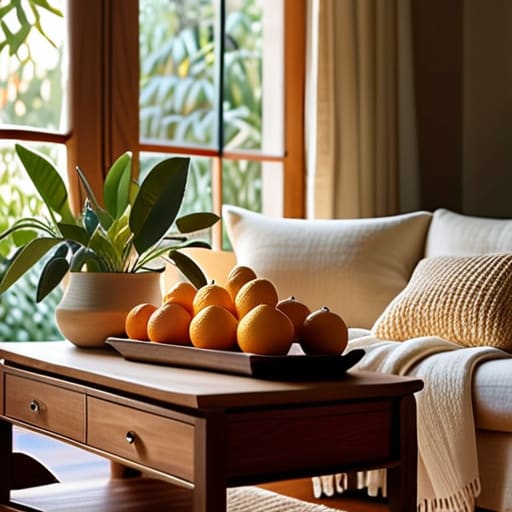
Stop scrolling through those Pinterest boards filled with beige linen couches and $500 minimalist vases. If you think you need a massive budget or a perfectly curated showroom to host people, you’ve been lied to by an algorithm. I spent years growing up in a tiny, cramped apartment where “decor” was just whatever we could fit without tripping over it, and honestly? That’s where I learned the real secret of how to make a home that people want to visit. It isn’t about having a magazine-ready living room; it’s about making sure your space doesn’t feel like a stressful museum where guests are afraid to move a coaster.
I’m not here to sell you on expensive candles or aesthetic clutter that just collects dust. Instead, I’m going to give you the actual, functional blueprint for hosting without the burnout. We’re going to focus on the high-impact, low-cost stuff—like lighting, seating logic, and clearing the literal path to the bathroom—that makes a space feel genuinely welcoming. If a tip doesn’t save you time or make your guests feel more comfortable, I’m not going to waste your breath on it.
Creating Comfortable Living Spaces That Actually Function
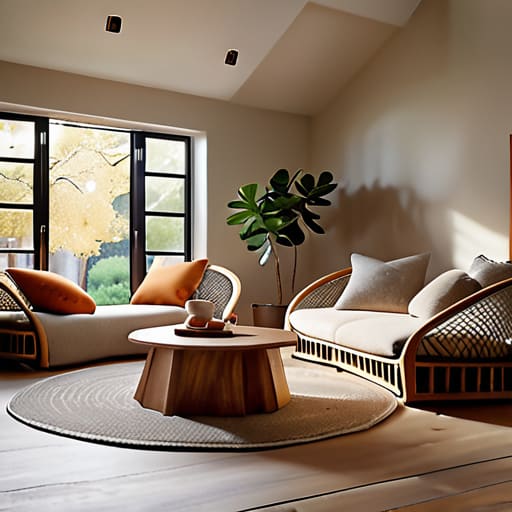
Look, I don’t care if your sofa is from a high-end boutique or if you found it on a curb; if it’s uncomfortable, nobody is staying for more than ten minutes. When it comes to creating comfortable living spaces, the biggest mistake people make is prioritizing “the look” over the actual ergonomics of the room. I’ve spent way too many nights in cramped apartments realizing that a beautiful chair is useless if it makes your back ache. Instead of buying expensive decor, focus on the flow. Make sure there’s a clear path to the kitchen and that your seating actually faces each other. If people have to crane their necks just to hold a conversation, you’ve failed the functionality test.
You also need to think about the sensory elements of a cozy home without going overboard. You don’t need a dozen scented candles that smell like a chemical factory. Just make sure the lighting isn’t aggressive—swap out those harsh overhead LEDs for a couple of cheap floor lamps with warm bulbs. It’s about creating a welcoming atmosphere that feels lived-in, not a museum. If your space feels too stiff, people will be too scared to actually relax.
The Real Secret to Improving Home Curb Appeal Fast
Look, I’m not going to tell you to spend three grand on a designer front door or a professional landscaping crew. If you’re working a 9-to-5 and trying to keep your budget from imploding, that’s just not realistic. When it comes to improving home curb appeal, most people overcomplicate it. You don’t need a manicured estate; you just need to signal that the space is cared for. Start with the basics: sweep the porch, clear the dead leaves out of the walkway, and make sure your porch light actually works. It sounds basic, but a bright, clean entrance is the first step in creating a welcoming atmosphere before anyone even knocks.
Don’t obsess over matching flower colors like you’re in a competition. Instead, focus on the “functional tidy.” If your entryway is a graveyard of random shoes and mail piles, it sends a message that your life is chaotic, which makes guests feel like they’re intruding. Grab a cheap basket for the shoes and a small tray for the keys. It’s not about being “Pinterest perfect”—it’s about removing the visual friction so people feel like they can actually walk in without tripping over your life.
5 Ways to Make Your Place Actually Welcoming (Without Breaking the Bank)
- Stop obsessing over the “perfect” scent. I don’t care if you have a $50 luxury candle; if your place smells like old takeout or damp laundry, no one is staying. Open a window for ten minutes, grab some cheap unscented baking soda to neutralize odors, and keep it neutral. A clean, neutral-smelling room is infinitely better than a flowery one that’s hiding a mess.
- Fix your lighting before you buy new furniture. Nothing kills a vibe faster than that one harsh, flickering overhead light that makes everyone look like they’re in a hospital interrogation room. Swap out the “big light” for a couple of cheap floor lamps or even some warm-toned LED strips. Dimmer, warmer light makes people relax instantly.
- Clear a landing zone for their stuff. If someone walks in and has to awkwardly clutch their bag or hunt for a place to put their keys, they’ll feel like an intruder. You don’t need a fancy entryway console; just clear off a small corner of a table or put a sturdy hook by the door. Give them a place to “drop” their stress the second they walk in.
- Audit your seating, not your decor. I’ve seen people with gorgeous velvet sofas that are so stiff you can’t actually lean back. If your chairs are uncomfortable or your couch is a literal rock, people will leave as soon as the conversation hits a lull. Throw a couple of cheap, functional cushions on there to make it actually usable for a long hang.
- Make sure your tech isn’t a barrier. If you’re hosting, don’t make people hunt for a charger or struggle with a Wi-Fi password that’s buried in a notebook. Having a multi-head charging cable tucked near the couch or a small note with the Wi-Fi info saves that awkward “Hey, what’s the password?” moment and keeps the flow going.
Stop Stressing the Small Stuff
Look, at the end of the day, making your place welcoming isn’t about having a matching set of expensive linen pillows or a perfectly curated bookshelf. It’s about the basics: making sure your seating isn’t broken, your entryway isn’t a chaotic mountain of shoes, and your space actually functions for the people in it. If you’ve focused on clearing the clutter, improving your curb appeal without breaking the bank, and prioritizing comfort over aesthetics, you’ve already done the heavy lifting. You don’t need a renovation budget to be a good host; you just need to prioritize utility over vanity so your guests don’t feel like they’re walking through a museum.
I spent years thinking I couldn’t have people over because my apartment wasn’t “Instagram-ready,” but that was just a lie I told myself to avoid the work. The truth is, people don’t come over to inspect your decor; they come to connect with you. A home that feels lived-in and functional is infinitely more inviting than a cold, sterile showroom. So, stop waiting for the “perfect” moment or the “perfect” budget to start hosting. Just clear a spot on the couch, grab some decent snacks, and make your space work for your life, not for a camera lens.
Honestly, if you’re trying to make your place a hub for social connection, you have to realize that hospitality isn’t just about having a clean couch; it’s about fostering genuine interaction. Whether you’re hosting a small group or just looking to expand your social circle through more direct, unfiltered ways like checking out birmingham sex chat to meet new people, the goal is the same: creating an environment where people feel comfortable being themselves. Don’t stress about having a formal dining room or a perfect layout; just focus on making sure the vibe is relaxed enough that nobody feels like they’re walking through a museum.