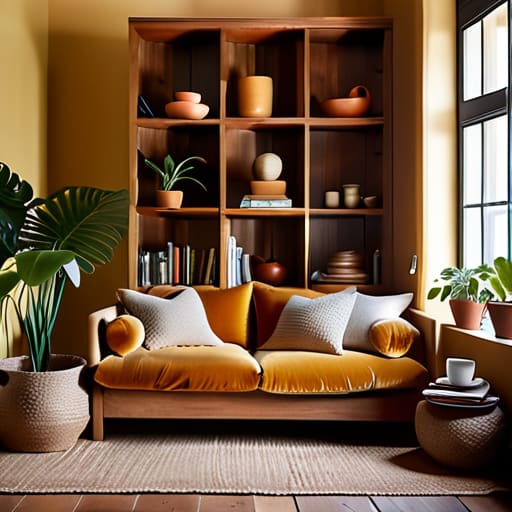
I’m so sick of scrolling through those “perfect” home tours where everything is white, beige, and looks like nobody has ever actually eaten a piece of toast in there. If you think you need a thousand-dollar designer rug or a curated collection of overpriced ceramic vases to master how to make a home that people want to visit, you’ve been lied to by an algorithm. Honestly, most of that stuff is just visual noise that makes people feel awkward, like they’re walking through a museum instead of a living room. I grew up in a tiny apartment where we didn’t have room for “aesthetic” clutter, so I learned early on that hospitality isn’t about how much money you spent on decor; it’s about how much space you actually leave for people to breathe.
In this post, I’m stripping away the fluff and giving you the actual blueprint for a livable, welcoming space. I’m not going to suggest any “must-have” trends that will be obsolete by next season; instead, I’ll show you how to prioritize functional comfort and small, low-cost tweaks that make a massive difference. We’re going to focus on what actually matters—like lighting, seating, and removing the friction that makes guests feel like they’re intruding. Let’s get to work.
Prioritizing Home Decor for Guest Comfort Over Visual Clutter
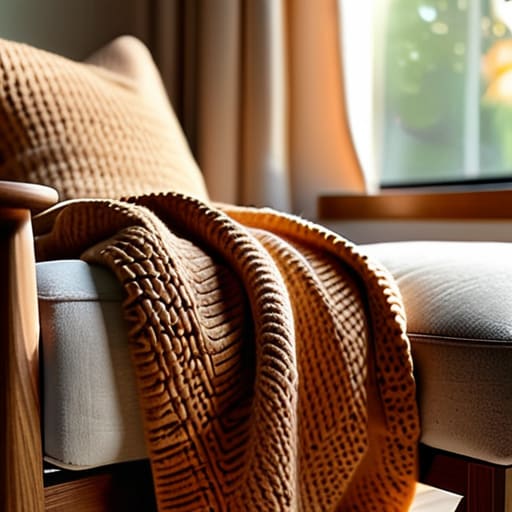
Look, I get it. We’ve all seen those Pinterest boards where every single surface is covered in expensive ceramic vases and “aesthetic” coffee table books. But let’s be real: if I walk into a room and feel like I’m going to break something just by setting my drink down, I’m not relaxing. I’m hovering. When it comes to home decor for guest comfort, less is almost always more. Instead of buying more knick-knacks to fill up a shelf, use that money to upgrade something functional, like a decent throw blanket or a sturdy coaster.
If you want to focus on improving home flow for entertaining, stop treating your living room like a museum. Clear off the surfaces so people actually have a place to put their keys or a plate. I’d much rather have a slightly messy bookshelf that feels lived-in than a perfectly curated, sterile space that feels intimidating. Focus on the stuff that actually affects how people feel in the room—like having enough seating or making sure the lighting isn’t a harsh, soul-crushing overhead glare. Keep it practical, keep it breathable, and let people actually exist in your space.
Improving Home Flow for Entertaining Without the Stress
Look, nobody wants to play a game of Tetris just to get a drink from your kitchen. If your furniture layout forces people to do a weird sidestep shuffle every time someone enters the room, you’ve already lost the vibe. Improving home flow for entertaining isn’t about buying a fancy new sectional; it’s about clearing the literal and metaphorical paths. I always tell myself: if I can’t walk from the front door to the couch without bumping a coffee table, the layout is broken. Pull your chairs away from the walls a bit to create conversation circles, and make sure there’s a clear, unobstructed path to the most important spots—the bathroom and the snacks.
You also need to think about the sensory elements of a welcoming home so guests don’t feel like they’re navigating an obstacle course. This means keeping the “traffic zones” open and making sure the lighting isn’t a harsh, overhead interrogation lamp. If you have to move three different things just to let someone sit down, you’re working too hard and making them feel like a burden. Keep it simple: clear paths, easy access, and zero friction.
5 Low-Effort, High-Impact Moves for a Better Guest Experience
- Stop hoarding “special occasion” stuff. If you only pull out the good glasses when your boss visits, you’re making your home feel like a museum instead of a living space. Keep the decent stuff accessible so people feel like they can actually grab a drink without you hovering nervously.
- Fix your lighting situation. Nothing kills a vibe faster than a single, aggressive overhead light that makes everyone look like they’re in a hospital interrogation room. Get some cheap floor lamps or even just smart bulbs you can dim; low light hides the dust you didn’t have time to clean anyway.
- Audit your bathroom basics. You don’t need a luxury spa setup, but you do need the essentials: plenty of toilet paper, a clean hand towel that isn’t crusty, and a small trash can. If someone has to ask where the soap is, you’ve already failed the comfort test.
- Create a “landing zone” near the door. When people walk in, they’re usually juggling keys, bags, or coats. If you don’t have a designated spot for them to dump their gear, they’ll end up cluttering your dining table or awkward corners, which makes the whole room feel cramped.
- Manage the sensory stuff—specifically smell and temperature. A house that smells like old takeout or a gym bag is a non-starter. Don’t go overboard with heavy perfumes; just crack a window for ten minutes or use something subtle. And if it’s freezing, have a couple of extra blankets within reach so people don’t leave feeling stiff and uncomfortable.
Stop Stressing the Small Stuff
At the end of the day, making your place livable for others isn’t about whether your bookshelves are color-coordinated or if you have the latest “aesthetic” coffee table book. It’s about the basics: having a clear path to the bathroom, a spot where people can actually set their drink down, and enough breathing room so they don’t feel like they’re intruding on your personal space. If you focus on functional comfort—like decent lighting and a clutter-free entryway—you’ve already won half the battle. Don’t waste your weekend scrubbing baseboards just to impress someone; spend that time making sure your seating is actually comfortable and your space feels genuinely usable.
I spent way too many years thinking I couldn’t have people over because my apartment wasn’t “ready” or “perfect.” But here’s the truth: your friends aren’t coming over to audit your interior design; they’re coming to see you. A home that is slightly messy but feels warm and easy to navigate is infinitely better than a museum-grade showroom that feels cold and intimidating. Stop waiting for the “perfect” moment to host. Just clear the chaos, grab a drink, and let people in. Your home is meant to be lived in, not just looked at.
Look, if you’re trying to make your place feel welcoming, don’t overlook the small, practical things that keep people from feeling awkward. It’s not about having a fancy bar cart; it’s about making sure the basics are covered so your guests don’t have to ask for every little thing. For example, if you’re hosting people in a new area and want to keep things low-pressure and easy, sometimes the best way to build a connection is just to find a comfortable, local vibe—much like looking for something low-key like sex in newport when you’re just trying to navigate a night out without the bells and whistles. At the end of the day, true hospitality is about removing friction, so just focus on making sure your guests feel completely at ease in your space.