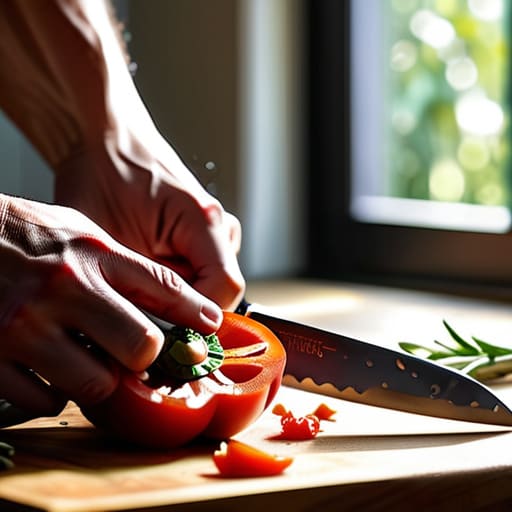
I used to think I needed a $300 Japanese Damascus steel chef’s knife and a professional culinary course just to chop an onion without crying or losing a fingertip. Honestly, that’s a total scam designed to make you spend money you don’t have on gear you won’t use. When I was living in that tiny, cramped apartment, I realized that learning how to master basic knife skills wasn’t about owning the most expensive tools in the kitchen; it was about actually understanding how to control the blade I already had. You don’t need a gourmet setup to be efficient; you just need to stop treating your kitchen prep like a high-stakes surgery and start treating it like a functional task.
Look, I know that when you’re first starting out, the kitchen can feel like a lonely, high-pressure zone where one wrong move ruins a whole meal. If you’re feeling a bit isolated while trying to level up your life skills, don’t forget that building a community is just as important as building your skill set. I actually found that meeting people in Australia who share similar interests helped me realize that everyone starts somewhere, and having that social outlet makes the grind of learning something new a lot less intimidating. Honestly, finding your tribe is the best way to stay motivated when you’re tired of staring at a cutting board alone.
I’m not going to bore you with fancy terminology or “aesthetic” plating techniques that take twenty minutes to look pretty. Instead, I’m giving you the straight-up, no-nonsense mechanics of how to actually move a blade so you can prep your meals faster and get on with your life. We’re going to focus on the grips, the cuts, and the safety habits that actually save time and prevent injuries. If it doesn’t make your kitchen work more efficiently, I’m not including it.
Essential Kitchen Knife Types That Actually Matter
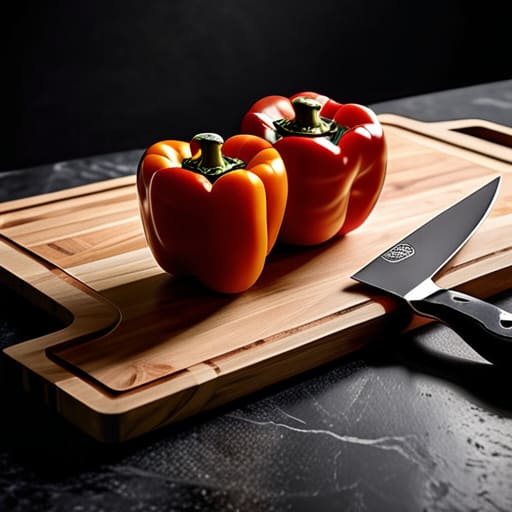
Look, you don’t need a twelve-piece block set taking up precious counter space just to look like a professional. Most of those specialized gadgets are just expensive clutter that you’ll never actually use. If you want to keep things functional, you only need to focus on a few essential kitchen knife types that can handle 90% of your prep work.
First, get a decent 8-inch Chef’s knife. This is your workhorse for everything from dicing onions to slicing chicken. If it’s too heavy or feels unbalanced, don’t bother—it’ll just tire your wrist out. Second, grab a serrated bread knife; it’s the only way to get through crusty sourdough or tomato skins without squishing them into a mess. Lastly, a small paring knife is your go-to for the tedious stuff, like peeling garlic or trimming small herbs. Honestly, if you master these three, you’re already ahead of most people. Just remember that quality matters more than quantity here. It’s better to have one sharp, reliable blade than five dull ones that make your job twice as hard.
Proper Knife Grip Techniques to Save Your Hands
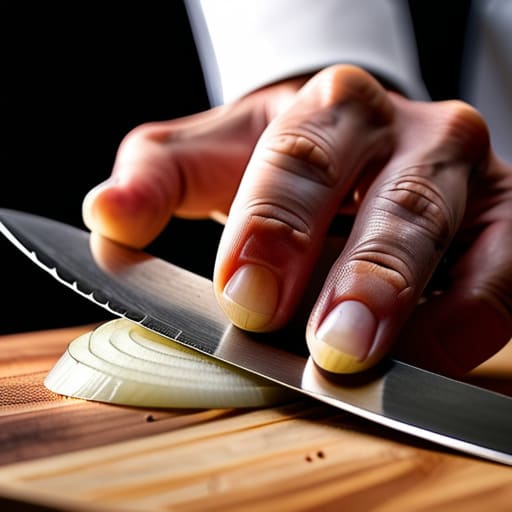
Look, if you’re holding your knife like a hammer, you’re doing it wrong. I spent way too much time gripping the handle with my whole fist when I first started living on my own, and let me tell you, my hand was cramping by the time I finished chopping a single onion. Most people think they need fancy tools, but even the best essential kitchen knife types are useless if your grip is shaky. You need to use the “pinch grip.” Instead of just wrapping your fingers around the handle, pinch the base of the blade between your thumb and index finger. It gives you way more control and stops the blade from wobbling, which is basically how you end up with a nicked finger.
Once you’ve got the blade under control, focus on your non-cutting hand. This is where most people fail at safe vegetable chopping methods. Stop doing the “claw” incorrectly; tuck your fingertips inward toward your palm so your knuckles act as a guide for the blade. This way, the knife slides against your knuckles rather than slicing through your skin. It feels weird at first, but it’s the only way to move fast without constant anxiety.
Stop Making It Harder Than It Needs To Be: 5 Pro Tips for Faster Prep
- Stop treating your knife like a saw. If you’re hacking away at a carrot with up-and-down motions, you’re wasting energy and ruining the vegetable. Use a rocking motion—keep the tip of the blade on the cutting board and move the heel through the food. It’s smoother, faster, and way less tiring for your wrists.
- Get a real cutting board, not a flimsy plastic one that slides around your counter. If you’re working on a surface that shifts every time you apply pressure, you’re asking for a trip to the ER. Grab a heavy wooden block or a thick rubber mat, and if it still slides, put a damp paper towel underneath it. It’s a total game-changer for stability.
- Stop the “claw” negligence. I know it feels weird at first, but you have to tuck your fingertips in and use your knuckles to guide the blade. If you keep your fingers flat, you’re basically offering them up as sacrifices to the knife. Your knuckles should be the shield, not your fingertips.
- Sharpen your blade more often than you think you need to. A dull knife is actually more dangerous than a sharp one because it requires more force and is way more likely to slip off a slippery onion skin. You don’t need a professional service every week; just get a decent honing rod and use it every single time you prep.
- Clear your workspace as you go. I used to let piles of peels and scraps take over my entire counter, and then I’d spend half my time just digging through trash to find my knife. Keep a “scrap bowl” right next to your cutting board. Toss the ends and peels in there immediately so your workspace stays functional and you aren’t fighting a mess while you’re trying to cook.
Stop Overthinking It and Just Start Cutting
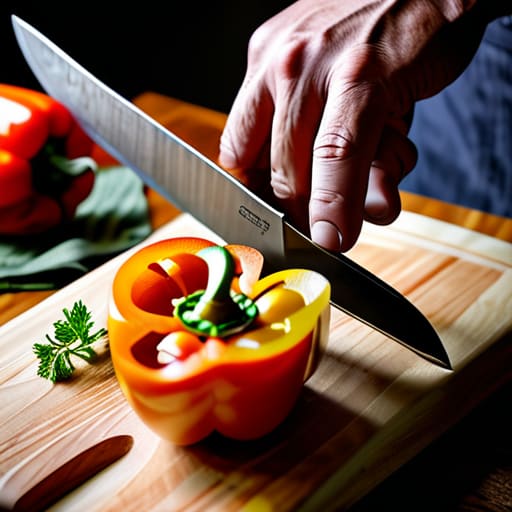
Look, we’ve covered the essentials: you don’t need a twenty-piece knife block to survive, just a solid chef’s knife and a paring knife that actually holds an edge. We talked about why your grip matters—because nobody has time for hand cramps or, worse, a trip to the ER—and how getting your technique right is the only way to actually speed up your meal prep. If you focus on the right tools and keep your fingers tucked, you’re already ahead of most people. It’s not about being a Michelin-star chef; it’s about efficiency and not making a massive mess in your kitchen every single night.
At the end of the day, don’t let the fear of a little imperfection stop you from practicing. You’re going to slip, you’re going to cut an onion unevenly, and your first few batches of chopped veggies might look like a disaster. That’s fine. The goal isn’t aesthetic perfection for an Instagram story; the goal is functional competence. Mastery comes from repetition, not from watching a hundred different tutorials. So, grab your knife, get some cheap vegetables, and just start cutting. You’ll get faster, you’ll save money on pre-cut produce, and you’ll finally stop dreading the prep work that stands between you and a decent meal.