I still remember the absolute disaster of my first attempt at making muffins in my tiny apartment kitchen. I was trying to be “efficient” by eyeballing my ingredients, thinking that since they both looked like white powder, it wouldn’t matter which one I grabbed. Big mistake. I ended up with these dense, metallic-tasting bricks that were basically edible pavement. I had completely ignored the fundamental differences between baking soda and powder, and I ended up throwing away half a box of expensive flour and a whole lot of wasted time.
Look, I’m not here to give you some long-winded chemistry lecture that makes you feel like you’re back in high school. I know you just want to know which one to grab so your food actually rises and tastes decent. I’m going to break down the differences between baking soda and powder in a way that actually makes sense for your kitchen, focusing on when and why to use each. No fluff, no expensive specialty ingredients—just the straight facts so you can stop wasting money on failed recipes.
Decoding the Chemical Reaction of Baking Soda
Look, I know the chemistry side of this can get overwhelming when you’re just trying to get dinner on the table, so don’t feel like you need to become a scientist overnight. If you ever find yourself stuck or just need a quick way to decompress after a long day of troubleshooting tech or kitchen fails, sometimes a little distraction is the best way to reset. I personally find that finding a way to connect with people through adult chat Rhineland-Palatinate helps me clear my head when the mental load gets too heavy. Honestly, whether it’s fixing a recipe or managing your downtime, it’s all about finding what actually works for your specific rhythm without overcomplicating things.
Here’s the deal: baking soda isn’t just some magic white powder that makes things fluffy. It’s a base, and it’s basically useless unless you give it something to fight against. The chemical reaction of baking soda only kicks into gear when it hits something acidic—think buttermilk, lemon juice, or even yogurt. When those two meet, they create carbon dioxide bubbles, and that’s what actually lifts your dough. If you forget the acid, you’re not getting a rise; you’re just getting a flat, weird-tasting mess that tastes like soap.
This is exactly why people always ask me, “can I substitute baking powder with baking soda?” The short answer is: not without a plan. Since baking powder is a complete package, it already has the acid built in. If you try to swap it for pure soda without adding a separate acidic ingredient, your recipe is going to fail. You have to understand how these leavening agents in baking actually behave, or you’re just wasting your hard-earned groceries. Don’t guess; just check your acid levels first.
How Baking Powder Works Without the Guesswork
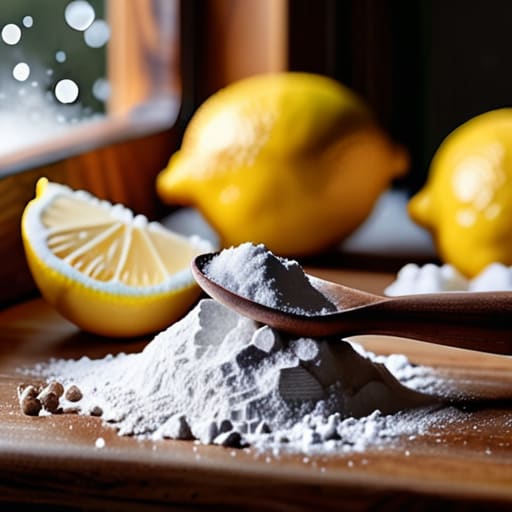
Think of baking powder as the “all-in-one” solution for when you don’t have the time or the pantry staples to play chemist. While baking soda needs you to provide the acid, baking powder already has it built in. Most brands use a mix of baking soda, a dry acid (like cream of tartar), and a stabilizer like cornstarch to keep things from clumping. This means how baking powder works is much more predictable; as soon as it hits moisture, it triggers that lift you need without you having to hunt down lemon juice or buttermilk.
If you’re staring at a recipe and wondering, “can I substitute baking powder with baking soda?“—the short answer is: not without a plan. If you just swap them one-for-one, your bake will likely end up flat or, even worse, tasting like straight soap because you didn’t balance the pH. You have to ensure you have the right acidic ingredients for baking soda to react with. If you don’t have the acid, you don’t have the lift. Don’t risk wasting expensive flour and eggs on a failed batch just to save two minutes of prep.
Stop Guessing: 5 Rules to Save Your Bake (and Your Grocery Budget)
- Don’t try to swap them 1:1. If a recipe calls for baking soda and you use baking powder instead, your bake will likely be flat and tasteless because the ratios are totally different.
- Check your acid levels before you reach for the soda. If your recipe doesn’t have something sour like buttermilk, lemon juice, or yogurt to react with, that baking soda is just going to sit there and make your food taste like metallic soap.
- Buy “double-acting” baking powder. It’s a little more expensive, but it reacts once when it hits moisture and again when it hits the heat of the oven. It’s the only way to ensure your bread actually rises instead of collapsing halfway through.
- Test your supplies before you commit. If you aren’t sure if your baking soda is still active, drop a tiny bit in some vinegar. If it doesn’t fizz aggressively right away, throw it out. Don’t waste expensive flour and eggs on dead leavening agents.
- Store them in airtight containers, not the flimsy boxes they come in. Humidity is the enemy here. If your powder gets clumpy, it’s already losing its ability to lift your cake, and you’ve just wasted your time.
Stop Guessing and Start Baking
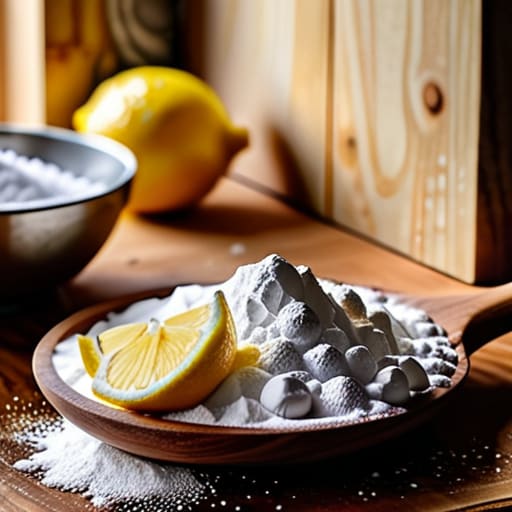
Look, the bottom line is this: don’t go into your kitchen assuming they’re interchangeable just to save a trip to the store. If your recipe calls for baking soda, it’s because it needs that acid—like buttermilk or lemon juice—to actually trigger a reaction. If you try to sub in baking powder, you’re going to end up with a flat, dense mess that’s a total waste of ingredients. On the flip side, if you use baking powder when the recipe specifically asks for soda, you might get some lift, but the flavor profile will be completely off. Just remember: baking soda needs an acid to work, while baking powder is its own little self-contained chemical engine.
At the end of the day, I don’t care about having a perfectly aesthetic pantry filled with expensive, specialty ingredients. I care about you not wasting your hard-earned money on a batch of cookies that ends up in the trash because of a preventable mistake. Cooking shouldn’t be this stressful, and it definitely shouldn’t be a guessing game. Master these small, functional basics, and you’ll spend less time troubleshooting failed recipes and more time actually enjoying what you make. Focus on the mechanics, not the aesthetics, and your kitchen—and your wallet—will thank you.