Stop scrolling through those Pinterest boards filled with “aesthetic” fairy lights and $400 designer pendants that do nothing but eat up your paycheck. Honestly, most of the home lighting tips you see online are just glorified ways to sell you more clutter. I grew up in a tiny, cramped apartment where if I spent money on a fancy lamp, I couldn’t afford the good coffee for a week. I learned early on that lighting isn’t about looking like a showroom; it’s about actually being able to see what you’re doing without straining your eyes or blowing your budget.
I’m not here to teach you how to stage a photoshoot in your living room. Instead, I’m going to give you the practical, low-cost ways to fix your space using what you already have or what you can grab at a hardware store for ten bucks. We’re focusing on functional brightness and placement that actually makes sense for your daily routine. If a hack doesn’t save you time, money, or a massive headache, I’m not telling you to do it. Let’s get your space working for you.
Mastering Layered Lighting Techniques Without Breaking the Bank
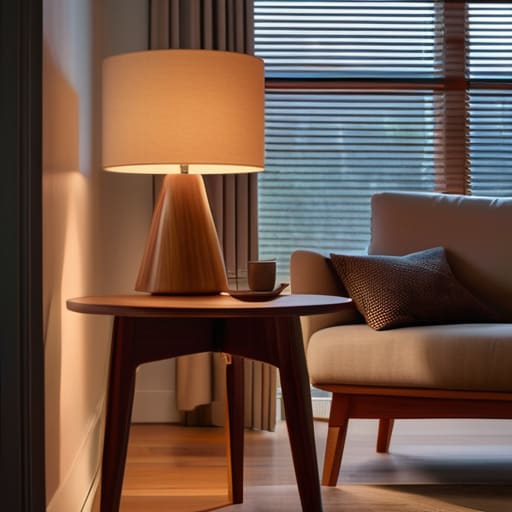
Look, you don’t need a massive renovation or a designer’s budget to fix a room that feels like a depressing cave. The secret is mastering layered lighting techniques instead of just relying on that one harsh overhead light that makes everything look clinical. I grew up in a place where we had one single bulb in the middle of the ceiling, and it was miserable. Now, I focus on the balance between ambient vs task lighting. You want a base layer of soft light to fill the room, but you need specific, focused light for when you’re actually doing something—like reading or working on a keyboard build.
Don’t go out and buy a whole new fixture set. Instead, grab a couple of cheap floor lamps or even some clip-on lights for your desk. The real pro move? Pay attention to warm vs cool light temperatures. If you use “daylight” bulbs in your living room, it’s going to feel like a hospital ward. Stick to warmer tones for relaxing, and save the cooler, brighter stuff for your workspace. If you can swing it, installing a simple smart bulb or a cheap dimmer is a total game changer; it gives you control over the vibe without needing to rewire your entire apartment.
Why Ambient vs Task Lighting Is Your Real Productivity Secret
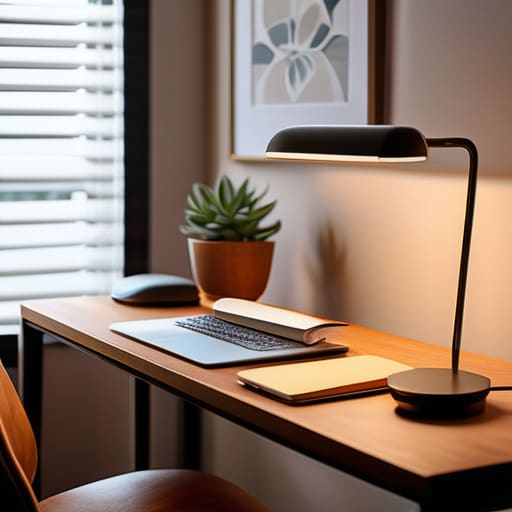
Look, most people think lighting is just about making a room look “cozy” for an Instagram story, but if you’re working from a cramped desk or trying to meal prep in a dim kitchen, it’s actually a functional necessity. The secret is understanding ambient vs task lighting. Ambient lighting is your base layer—the general glow that keeps you from tripping over your cat—but it’s never going to be enough to actually get things done. If you try to work under just a single overhead light, you’re going to end up with a headache and eye strain within twenty minutes.
To actually stay productive, you need to stop relying on one big light source and start using targeted illumination. I’m talking about a dedicated desk lamp or a bright under-cabinet light that hits exactly where you’re working. This is where the magic happens: when you use task lighting to focus on your specific job, your brain stops struggling to process the environment and starts focusing on the task at hand. It’s about creating zones. If you can’t afford a full renovation, just grab a cheap, high-quality LED desk lamp. It’s a tiny investment that prevents that mid-afternoon brain fog caused by straining your eyes in a poorly lit corner.
5 Low-Budget Lighting Fixes That Won't Ruin Your Vibe
- Stop buying expensive designer lamps just for the look; if a cheap floor lamp from a thrift store or a basic IKEA model solves your dark corner problem, that’s all you need.
- Swap out your harsh, clinical white bulbs for “warm white” LEDs immediately. It costs like ten bucks to change a bulb, but it’s the difference between feeling like you’re in a hospital and actually feeling at home.
- If you’re working from a cramped desk, stop relying on your overhead light. Grab a cheap clip-on desk lamp or even a repurposed LED strip to target your workspace directly so you aren’t straining your eyes for no reason.
- Use mirrors to do the heavy lifting for you. If a room feels dim, don’t go out and buy more lights; just reposition a mirror opposite your window to bounce whatever natural light you actually have around the room.
- Forget those “smart” lighting systems that cost a fortune and require a PhD to install. If you want control, just get a pack of basic plug-in dimmers or smart plugs for the lamps you already own. It’s functional, cheap, and actually works.
The Bottom Line: Stop Overthinking Your Setup
Ditch the “aesthetic” Pinterest lighting; prioritize task lamps where you actually work and ambient light where you actually sit to save money and eye strain.
Layer your light using cheap, functional sources like floor lamps and desk lights instead of blowing your budget on one massive, overpriced designer fixture.
If a lighting setup doesn’t make a room more usable or help you get stuff done, it’s just clutter—keep it simple, keep it bright, and keep your cash in your pocket.
Stop Overthinking Your Setup
Look, at the end of the day, you don’t need a professional interior designer or a massive budget to fix your lighting situation. We’ve covered how to layer your light sources so you aren’t stuck in one giant, depressing glare, and why separating your ambient light from your task lighting is the only way to actually stay productive without burning out your eyes. Remember: prioritize function over fashion. If a cheap LED strip under your desk or a basic clamp lamp on your workbench solves the problem, then the job is done. Don’t let the “aesthetic” influencers trick you into thinking you need a thousand-dollar smart system just to see your keyboard.
My advice? Start small and build from there. You don’t have to overhaul your entire apartment in one weekend. Just pick one corner that feels “off” or one desk setup that’s giving you a headache, and fix that first. Lighting is just another system, much like the ones I manage at work—once you understand the logic behind it, you can optimize it for efficiency. Stop chasing the perfect Pinterest look and start focusing on making your space work for you. You’ve got this.
Frequently Asked Questions
How do I figure out if I actually need more task lighting or if my current setup is just poorly placed?
Stop guessing and start testing. Here’s the deal: if you’re squinting at your laptop or leaning in closer to your cutting board to see what you’re doing, you don’t necessarily need more light—you need better placement. Grab a flashlight. Point it exactly where you work. If that tiny beam makes everything clear, your current setup is just poorly positioned. Move your desk or lamp closer to the action before you go spending money on new gear.
Are smart bulbs actually worth the extra cash, or should I just stick to cheap LED bulbs from the hardware store?
Look, if you’re just trying to see your way to the kitchen at 2 AM, stick to the cheap LEDs. Don’t overcomplicate it. But if you’re tired of getting out of bed to hit a switch, or you want your workspace to shift from “bright focus” to “chill evening” automatically, smart bulbs are actually worth the investment. Just don’t buy the overpriced, brand-name ones; find a reliable budget smart bulb and save the rest for something useful.
I live in a tiny apartment with zero natural light; how do I stop it from feeling like a cave without spending a fortune on fixtures?
Look, I’ve lived in those cave-like studios, and the “just buy a big window” advice is useless. First, stop relying on that one harsh overhead light; it makes everything look depressing. Grab some cheap LED strips and tuck them behind your monitor or under your shelving to bounce light off the walls—it creates depth without the cost. Also, swap your warm bulbs for “daylight” tones in your task lamps to trick your brain into feeling less trapped.
What’s the best way to switch between "focus mode" and "relax mode" without having to manually flip five different switches?
If you’re still manually clicking five different switches, you’re wasting time you don’t have. Get some smart plugs or smart bulbs—even the cheap ones from a big-box store work. Map them to “scenes” in an app. One tap on “Focus” hits your bright desk lamp and kills the overheads; one tap on “Relax” dims everything and kicks on your warm accent lights. It’s a five-minute setup that actually buys you brain space.