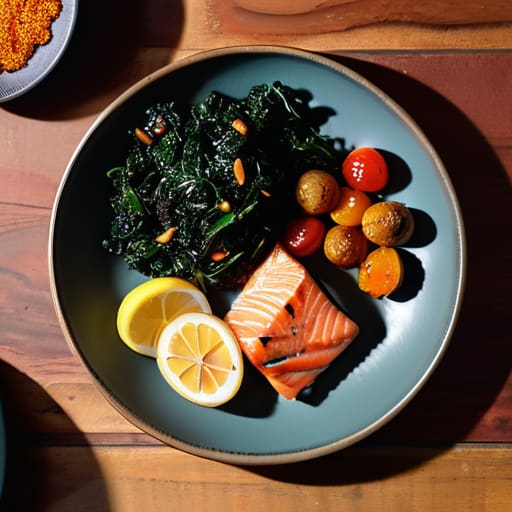
If I see one more influencer posting a $25 “superfood bowl” with dragon fruit and microgreens that looks more like a piece of art than actual food, I’m going to lose it. We’ve been sold this lie that learning how to build a balanced meal requires a massive grocery budget and a kitchen full of aesthetic glass jars. Growing up in a tiny apartment where every cent counted, I learned pretty quickly that nutrition isn’t about the aesthetic; it’s about fuel that actually keeps you going without draining your bank account.
I’m not here to give you a lecture on macronutrient ratios or suggest you buy expensive supplements you don’t need. Instead, I’m going to show you a functional framework that works when you’re exhausted, broke, or just staring blankly at a half-empty fridge. We’re going to strip away the fluff and focus on a simple, repeatable system for building plates that are actually satisfying. My goal is to give you a way to eat well that is completely sustainable for real life, not just for a curated feed.
Mastering the Protein Vegetable Carbohydrate Ratio
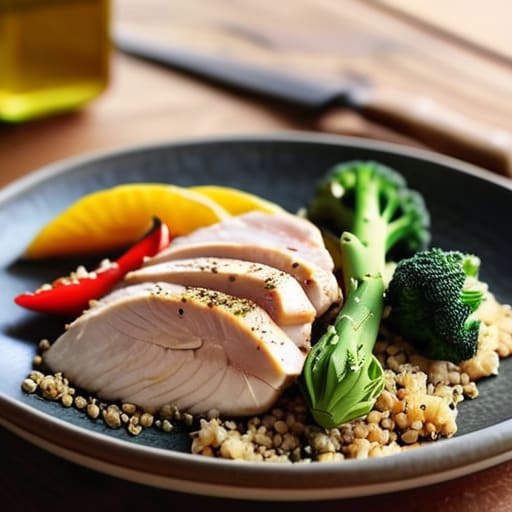
Look, you don’t need a fancy app or a degree in dietetics to figure out what goes on your plate. If you’re staring at a mountain of rice and wondering why you’re crashing by 3 PM, your ratios are probably trashed. The goal isn’t perfection; it’s about finding a protein vegetable carbohydrate ratio that actually keeps you full without breaking the bank. I like to think of it like building a system: if one component is overloaded, the whole thing crashes.
Forget those complicated macronutrient distribution guides that require a calculator. I use a visual shortcut that works every time: aim for half your plate to be veggies, a quarter for protein, and the last quarter for your carbs. This isn’t about restrictive dieting; it’s just smart portion control for healthy eating. If you’re meal prepping for the week, this ratio is your best friend because it prevents you from accidentally making a massive bowl of plain pasta that leaves you starving an hour later. Just grab a cheap protein like canned tuna or beans, some frozen veggies (they’re cheaper and just as good), and a scoop of grains. Done.
Decoding Nutritional Density Without the Expensive Labels

Look, I don’t have the bandwidth to spend twenty minutes reading ingredient labels just to figure out if a snack is actually good for me or just marketing fluff. Most of the “superfood” labels you see in the aisles are just expensive ways to repackage things we already know. To me, understanding the nutritional density of foods isn’t about chasing the latest kale trend; it’s about getting the most bang for your buck. If you’re looking at a package, ignore the flashy font and look at the actual substance. Does it have real ingredients, or is it just processed filler designed to make you feel full for ten minutes before you crash?
Instead of getting bogged down in complex math, just focus on the quality of what you’re putting on your plate. You don’t need a PhD or a high-end subscription to a meal plan to get this right. Think of it like optimizing a system: you want high-quality inputs to prevent a total crash later. If you can master basic portion control for healthy eating by prioritizing whole foods over anything in a colorful box, you’ve already won half the battle. Stop letting the fancy packaging dictate your budget and start looking for the actual fuel.
5 Ways to Stop Overthinking Your Plate
- Stop buying “specialty” grains. Quinoa is fine if you like it, but oats, rice, and potatoes are dirt cheap, shelf-stable, and do the exact same job for your energy levels.
- Use the “frozen is fine” rule. Fresh produce goes bad in three days if you’re busy, wasting your money. Keep bags of frozen spinach and mixed veggies in the freezer so you can toss them into literally anything without the guilt of throwing out wilted greens.
- Batch-prep your protein, not your meals. Don’t spend five hours making five identical Tupperware containers of the same meal. Just cook a big batch of chicken, beans, or tofu on Sunday so you can actually mix and match them with different carbs throughout the week.
- Don’t fear the fat, just buy the right kind. You don’t need expensive avocado oil for everything. A basic bottle of olive oil or even some peanut butter adds the satiety you need to stop reaching for snacks an hour after eating.
- Audit your pantry before you hit the store. Most of us “starve” because we keep buying things we already have. Check your stash, see what’s actually there, and build your meal around the stuff that’s about to expire.
The Bottom Line: Stop Overthinking Your Plate
Forget the “superfood” marketing; if it has protein, a fiber-rich carb, and a veggie, it’s a win.
Stop paying the “aesthetic tax” on groceries—buy frozen or seasonal to keep the budget intact without losing nutrition.
Use a simple ratio, not a scale; if your plate looks balanced, you’re probably doing fine.
Stop Overthinking Your Plate
Look, at the end of the day, you don’t need a degree in nutrition or a massive grocery budget to eat well. We’ve already covered the basics: stop chasing expensive “superfood” labels and just focus on getting your protein, carbs, and veggies in the right proportions. It’s about functional fueling, not aesthetic plating. If you’ve got a source of protein, a fiber-rich veggie, and a decent carb, you’ve already won 90% of the battle. Don’t let the complexity of modern wellness culture trick you into thinking that a meal isn’t “healthy” just because it didn’t cost forty dollars or require a specialized ingredient you can’t find at a local corner store. Keep it simple, keep it consistent, and keep it cheap.
I know life gets chaotic. Between work, side projects, and just trying to exist, cooking often feels like another chore on an endless to-do list. But remember, your body is the hardware that runs your entire life; if you don’t maintain it, the system is going to crash. You don’t have to be perfect, and you definitely don’t have to follow some influencer’s curated meal plan to be successful. Just aim for better than yesterday. Grab your multi-tool, prep what you can, and just get some real food into your system. You’ve got this.
Frequently Asked Questions
What do I do if I'm eating on a super tight budget and can't afford fresh produce every week?
Look, I get it. I spent years eating out of dented cans in a tiny apartment. Forget the “farm-to-table” hype; frozen and canned are your best friends. Frozen veggies are often more nutrient-dense than the sad, wilted stuff in the produce aisle, and they won’t rot in your fridge if you forget them. Just watch the sodium in canned goods—rinse them under water to strip the extra salt. It’s cheap, it’s functional, and it works.
Is there a way to do this without spending hours meal prepping on a Sunday?
Look, if you aren’t living in a studio apartment with a massive kitchen, you don’t have the luxury of spending six hours every Sunday over a stove. Don’t do it. Instead, try “component prepping.” Instead of full meals, just cook a big batch of one grain, one protein, and one roasted veggie. Keep them in separate containers. When you’re starving on a Tuesday, you just grab a bit of each, throw them in a bowl, and you’re done in two minutes.
How much of this actually matters if I'm just trying to get through a long shift at work?
Look, if you’re staring down a twelve-hour shift, most of the “nutritional science” fluff doesn’t matter. What matters is preventing that 3 PM crash where your brain turns to mush. Skip the sugary energy drinks—they’re a trap. Just focus on the protein and fiber. If you eat something that actually stays in your system, you won’t be hunting for vending machine junk halfway through your shift. Keep it functional, keep it steady.
Can I still make this work if I'm eating out or grabbing something quick from a convenience store?
Look, I get it. Some days you’re stuck in a breakroom or running between shifts and a home-cooked meal is a fantasy. You can absolutely still make this work. When you’re grabbing something quick, stop looking for “healthy” labels and just hunt for the ratio. Grab a pre-made salad with chicken, or even a convenience store sandwich and a bag of nuts. It’s about finding the protein and fiber so you don’t crash later.