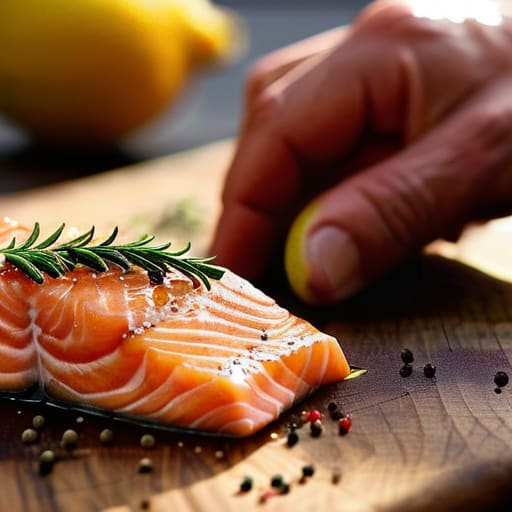
Stop scrolling through those aesthetic cooking videos where someone spends forty bucks on a single piece of sea bass just to film it under a studio light. Honestly, most of the “expert” advice on how to cook fish is just a massive waste of your time and money. You don’t need a sous-vide machine, a specialized thermometer, or a degree in culinary arts to avoid eating something that tastes like a rubber eraser. I spent years in a tiny apartment with a single burner, learning the hard way that overcomplicating things is the fastest way to ruin a decent meal and blow your grocery budget.
I’m not here to give you a lecture on flavor profiles or fancy plating; I’m here to show you how to get it right without the headache. I’m going to break down the actual, repeatable methods that work when you’re tired, hungry, and only have one pan to clean. We’re focusing on functional techniques that guarantee you won’t end up with a dry, tasteless mess. If it doesn’t save you time or keep your kitchen from smelling like a pier for three days, I’m not telling you to do it.
The Only Fish Cooking Methods for Beginners That Actually Work
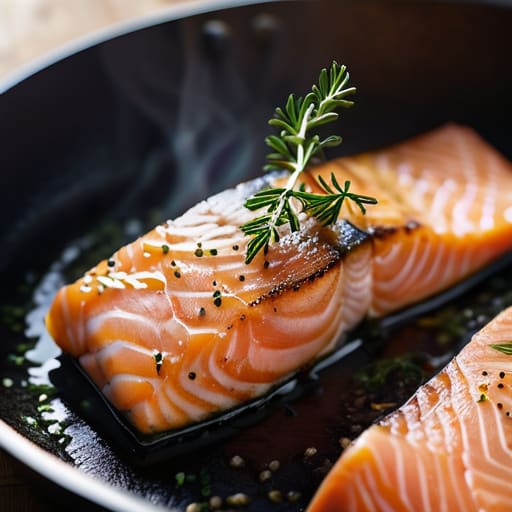
Look, you don’t need a culinary degree or a kitchen full of gadgets to get this right. Most of the fancy stuff you see online is just extra cleanup and wasted time. If you’re just starting out, stick to pan searing or baking. Pan searing is my go-to when I’m starving after a long shift; it’s fast, and if you master a few basic pan searing techniques, you can make a cheap fillet taste like a $40 restaurant meal. The secret isn’t some expensive oil—it’s just making sure the pan is actually hot before the fish touches it. That is the absolute best way for preventing fish from sticking to pan surfaces without needing a miracle.
Once you’ve got the heat down, don’t overcomplicate the flavors. The best way to season fish is honestly just salt, pepper, and maybe a squeeze of lemon if you have it in the fridge. Don’t go overboard with a spice rack you’ll never use again. The real trick to not ruining your dinner is knowing how to tell if fish is done without guessing. Don’t just poke it and hope for the best; use a meat thermometer if you have one. You’re looking for an internal temperature for cooked fish around 145°F (63°C). If it flakes easily with a fork, it’s done. Eat, clean the pan, and move on with your night.
The Best Way to Season Fish Without Overcomplicating It
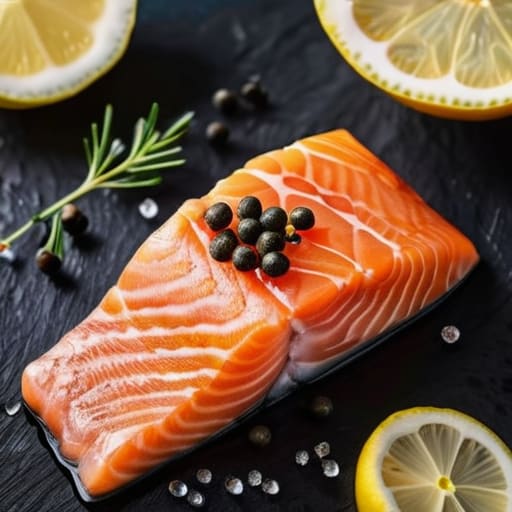
Look, you don’t need a spice rack that looks like a professional chef’s pantry to make this taste good. Most people overthink this and end up burying the actual flavor of the fish under a mountain of dried herbs. The best way to season fish is to keep it dead simple: salt, pepper, and maybe a squeeze of lemon or a bit of garlic powder if you’re feeling extra. I grew up in a house where we didn’t have fancy imported spices, so I learned early on that high-quality salt is doing 90% of the heavy lifting. Just pat the fillets bone-dry with a paper towel before you touch them; if they’re wet, you’re just steaming them instead of getting that crispy crust.
Once you’ve got your seasoning on, don’t go overboard with the oils. Use something with a high smoke point so you aren’t standing there inhaling fumes. If you’re using pan searing techniques, make sure that pan is actually hot before the fish hits the surface. This is the secret to preventing fish from sticking to pan surfaces, which is usually where beginners panic and think they’ve ruined dinner. If you try to flip it too early, it’ll tear. Just let it sit, let the crust form, and trust the process.
5 Rules to Stop You From Ruining Your Dinner
- Pat that fish bone-dry with paper towels before it hits the pan. If it’s wet, it’s going to steam instead of sear, and you’ll end up with that sad, mushy texture that makes fish feel like a chore to eat.
- Stop obsessing over “freshness” markers that don’t exist. If you’re buying from a grocery store, just check the smell—if it doesn’t smell like the ocean, put it back. If it smells like “fishy,” it’s already too late.
- Get your pan hot before you even think about adding oil. I don’t care if you’re tired; if the pan isn’t sizzling when the fillet touches it, you’re going to end up with a piece of grey, rubbery nonsense.
- Leave it the hell alone while it’s cooking. I know it looks like it’s sticking, but if you keep poking at it with a spatula, you’re just going to tear the skin off and turn your dinner into a mess. Let the heat do the work and it’ll release itself.
- Use a thermometer instead of guessing. You don’t need a culinary degree to know when it’s done; just pull it off the heat when the thickest part hits 145°F. It’s the only way to guarantee you aren’t eating a dry, chalky disaster.
The Bottom Line: Stop Overthinking It
Forget the expensive kitchen gadgets; a heavy pan and a bit of oil are all you actually need to get a decent sear.
Stick to basic seasonings like salt, pepper, and maybe a squeeze of lemon—if you can’t taste the fish because of a spice overload, you’ve failed.
Don’t aim for “chef-level” perfection; just focus on not overcooking it into a dry, tasteless brick so you can get back to your actual life.
Stop Overthinking the Plate
Look, at the end of the day, cooking fish shouldn’t be a high-stress event that requires a culinary degree and a kitchen full of expensive gadgets. We’ve covered the essentials: pick a method that doesn’t require a specialized sous-vide machine, keep your seasoning simple so you actually taste the food, and for the love of everything, don’t overcook it. If you can sear a piece of salmon in a hot pan or bake a fillet with some lemon and salt, you’ve already won. You don’t need a twelve-step recipe or a mountain of microgreens to make this work. Just get the heat right, season it well, and get it on the table.
I know it feels intimidating when you see those perfectly plated, untouched fish dishes on your feed, but remember that those are often just for show. Real life is messy, and real cooking is about fueling yourself without breaking the bank or wasting two hours at the stove. Don’t let the fear of “ruining” an expensive piece of fillet keep you from trying. You’re going to mess up a fillet here and there—I definitely have—but that’s just part of the process. Just keep showing up in the kitchen and focus on what works for your schedule and your budget. You’ve got this.
Frequently Asked Questions
How do I tell if the fish is actually done without using a thermometer every single time?
Look, I get it. I don’t have time to pull out a probe and wait for a reading every single time I’m hungry. Honestly? Just use a fork. Gently press the thickest part of the fillet; if the flesh flakes apart easily, it’s done. You can also look for the color change—it should turn from translucent to opaque. If it looks tight and rubbery, you’ve gone too far. Trust your eyes, not a gadget.
Is it actually worth buying frozen fish, or am I just eating something that's going to taste like cardboard?
Look, if you’re worried about cardboard, you’re probably buying the cheap, pre-breaded stuff. Stop. Real frozen fillets—especially salmon or cod—are actually a massive win for your budget and your schedule. They’re flash-frozen at peak freshness, so they often beat the “fresh” fish that’s been sitting in a grocery display for three days. Just thaw them properly in the fridge overnight; don’t microwave them, or you’ll ruin the texture. It’s a total lifesaver.
What do I do if I accidentally overcook it and it ends up tasting like dry sand?
Look, it happens. Even with a timer, one minute too long and you’re eating flavored cardboard. Don’t toss it, though—that’s literally throwing money in the trash. If it’s dry, you need moisture immediately. Flake it into a pan with some butter, olive oil, or a splash of heavy cream and make a quick sauce. Or, just shred it into tacos with way too much lime and avocado. Mask the texture, save the meal.
Do I really need to worry about deboning it myself, or should I just pay the extra couple of bucks for the pre-cleaned fillets?
Look, if you’re staring at a budget and a tight schedule, pay the extra couple of bucks for the pre-cleaned fillets. I grew up making every cent count, but my time is also a resource. Deboning a whole fish is a skill, but if you’re just trying to get a decent dinner on the table after a long shift, don’t stress it. Buy the fillets, save the mental energy, and just cook.