If I see one more “aesthetic” recipe video featuring twenty-five different spices and a sous-vide machine just to make a pile of broccoli, I’m going to lose it. We need to stop acting like knowing how to cook vegetables requires a culinary degree and a massive grocery budget. Growing up in a tiny apartment, I didn’t have the luxury of “slow-roasting with infused oils” for forty minutes; I needed food on the table that didn’t taste like wet cardboard and didn’t cost a week’s worth of rent. Most of the advice you see online is just performative cooking designed to look good in a thumbnail, not to actually feed a busy person.
I’m not here to teach you how to plate a masterpiece for Instagram. My goal is to show you the most efficient, high-impact ways to get nutrients into your system without wasting your precious time or money. I’m talking about functional cooking—the kind that uses basic heat, minimal tools, and zero fluff. We’re going to strip away the nonsense and focus on the methods that actually work when you’re exhausted and just want a decent meal.
The Best Ways to Prepare Vegetables for Maximum Efficiency
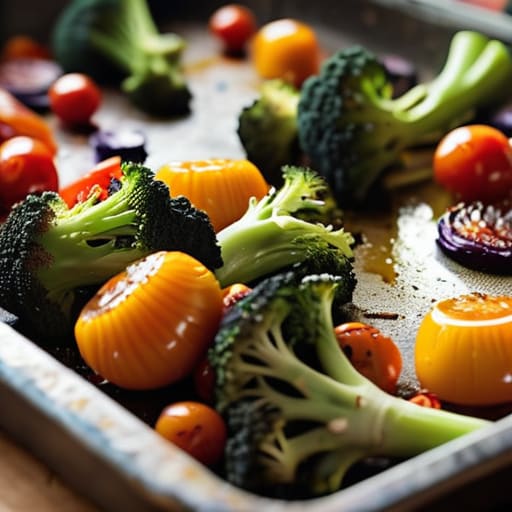
Look, I don’t have time to spend forty minutes chopping and sautéing every single night, and neither do you. If you want to actually eat well without turning your kitchen into a second job, you need to pick a method and stick to it. For me, it’s all about the oven. When people ask about steaming vs roasting vegetables, I’m telling them to roast every single time. Sure, steaming is fine if you’re obsessed with keeping things soft, but roasting at high heat gives you that caramelized edge that actually makes you want to eat your greens. It’s low effort—toss them in oil, hit them with salt, and walk away while you finish your actual work.
If you’re looking for the best ways to prepare vegetables when you’re running on zero sleep, go for the sheet pan method. Chop everything roughly—don’t worry about those aesthetic, uniform cubes you see on Pinterest—and spread them out. The key to not eating bland, sad mush is seasoning vegetables for flavor early. Don’t wait until they’re on your plate to add salt; hit them with garlic powder, smoked paprika, or even just some cheap red pepper flakes before they go in the heat. It’s about getting the maximum flavor with the absolute minimum amount of cleanup.
Quick Vegetable Side Dishes That Actually Fit Your Schedule
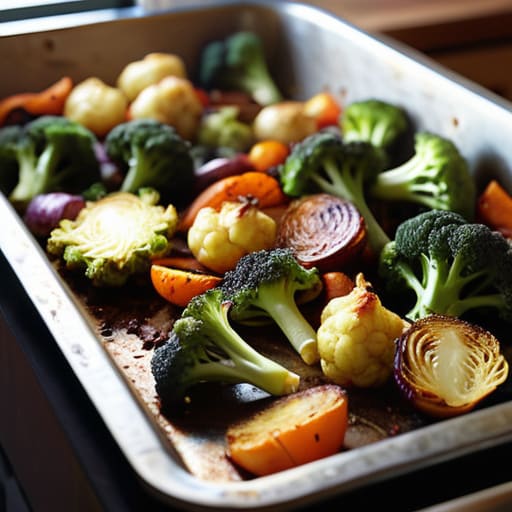
Look, if you’re coming home after a long shift and the last thing you want to do is stand over a stove for forty minutes, I get it. You don’t need a gourmet recipe; you need fuel. One of my absolute favorite quick vegetable side dishes is the “one-pan smash.” Grab whatever hardy veg you have—broccoli, cauliflower, or even Brussels sprouts—toss them on a sheet pan with some olive oil, salt, and garlic powder, and shove them in a hot oven. It’s way more efficient than trying to manage multiple pots, and honestly, roasting beats steaming every single time when it comes to actual flavor.
If you’re even lower on energy, go for the microwave hack. I know, I know, people act like it’s cheating, but if you put some sliced zucchini or bell peppers in a bowl with a splash of water and cover it, you’ve got a side dish in three minutes. When it comes to seasoning vegetables for flavor, don’t get bogged down in expensive spice blends. Just keep some smoked paprika and lemon juice on hand. It takes zero extra effort but makes a massive difference. Stop trying to make every meal a production; just get the nutrients in and get back to your life.
My No-BS Rules for Not Ruining Your Veggies
- Stop peeling everything. If you’re cooking carrots, potatoes, or cucumbers, just scrub them clean with a brush. Most of the nutrients and all the flavor are in the skin anyway, and it saves you ten minutes of tedious scrubbing every single night.
- Buy a bag of frozen veggies and stop feeling guilty about it. They’re flash-frozen at peak ripeness, they’re cheaper than the “organic” fresh stuff that wilts in two days, and they’re already chopped. It’s a massive win for your budget and your schedule.
- Learn the “one-pan roast” method. Toss whatever hardy veggies you have (broccoli, cauliflower, sprouts) in oil, salt, and pepper, then throw them in a hot oven. It’s hands-off cooking, which means you can actually finish your work or decompress while the oven does the heavy lifting.
- Don’t be afraid of high heat. If you’re sautéing, get that pan hot before the veggies hit the oil. You want a sear, not a mushy, steamed mess. If they’re sitting in a puddle of their own liquid, your heat is too low and you’re just making sad, limp vegetables.
- Salt early and salt often. If you wait until the food is on your plate to season it, you’ve already lost. Seasoning while they cook helps draw out the flavor rather than just sitting on top of a bland, boiled vegetable.
The Bottom Line: Stop Overcomplicating It
Forget the fancy knife skills you see on TikTok; just chop your veggies roughly and get them in the pan. If they’re uniform enough to cook at the same time, you’ve won.
Prioritize high-heat methods like roasting or quick sautéing. It’s the fastest way to get actual flavor without spending forty minutes hovering over a stove.
Buy what’s functional, not what’s “organic” or “aesthetic.” Frozen veggies are your best friend when you’re short on time and cash—they’re pre-washed, pre-chopped, and won’t rot in your crisper drawer.
Cut the Fluff and Just Start
Look, we’ve covered a lot, but the takeaway is simple: stop overcomplicating your kitchen routine. Whether you’re roasting a massive tray of veggies to save time later or just throwing some frozen peas into a pan because you’re too exhausted to chop anything, it all counts. The goal isn’t to produce a Michelin-star meal every Tuesday night; it’s about finding the fastest, most functional path to getting nutrients into your body without draining your bank account or your sanity. Use your tools, prep in bulk when you actually have the energy, and stop stressing over the perfect presentation. If it’s edible and it was cheap, you’re winning.
At the end of the day, your kitchen should work for you, not the other way around. I spent way too many years thinking I needed a pantry full of organic, specialty produce to be “healthy,” but the reality is much more grounded than that. Real life is messy, schedules are unpredictable, and sometimes a quick sauté is the only thing standing between you and ordering expensive, greasy takeout. Just focus on the consistency of the habit rather than the perfection of the dish. Get the food on the plate, get it done, and get back to your life.
Frequently Asked Questions
How do I keep my veggies from turning into a mushy, sad mess when I'm trying to cook them fast?
Look, the “mush factor” usually happens because you’re crowding the pan or using too much water. If you’re boiling everything into oblivion, stop. Try high heat and smaller batches. If you’re sautéing, make sure the pan is actually hot before the veggies hit the oil—you want a sear, not a steam. Also, cut everything to a uniform size. If some pieces are huge and others are tiny, the small ones will be mush before the big ones are even cooked.
Is it actually worth buying pre-cut frozen vegetables, or am I just throwing money away?
Look, I get it. Seeing that markup on the frozen aisle feels like a scam, but stop overthinking it. If you’re staring at a pile of raw broccoli and realizing you have zero energy to chop it after a ten-hour shift, buy the frozen bag. You’re paying for convenience and zero food waste. If you have the time and a sharp knife, go fresh. But if you’re choosing between “cheap” fresh veggies that rot in your fridge and frozen ones you actually eat? Buy the frozen.
What’s the easiest way to season vegetables so they don't taste like nothing without using a million expensive spices?
Look, you don’t need a $50 spice rack to make food edible. Stick to the basics: salt, pepper, and garlic powder. That’s your foundation. If you want to level up without breaking the bank, grab a bottle of soy sauce or some cheap red pepper flakes. Honestly, even just a squeeze of lemon or a splash of vinegar at the end wakes everything up. It’s about acidity and salt, not fancy blends.
How can I prep a bunch of vegetables on Sunday so I'm not stuck at the stove every single night after work?
Look, don’t fall into the “meal prep trap” where you spend four hours making sad, soggy salads. That’s a waste of your Sunday. Instead, do “component prepping.” Wash and chop your hard veggies—carrots, broccoli, peppers—and throw them in airtight containers. Roast a big tray of whatever is on sale at high heat. Now, during the week, you’re just tossing pre-cut stuff into a pan or a bowl. Minimal effort, maximum actual food.