Look, I am so tired of scrolling through Pinterest and seeing these “aesthetic” living rooms that look like they were staged by a professional designer with a limitless budget. Most of those diy home decor ideas you see online are just expensive ways to buy more clutter that you don’t actually need. I grew up in a tiny apartment where every square inch had to earn its keep, so I learned early on that if a piece of decor doesn’t serve a purpose, it’s just taking up space. We don’t need more useless trinkets; we need solutions that make our homes feel functional and personal without draining our bank accounts.
In this post, I’m stripping away the fluff to give you 8 practical projects that actually work. I’m talking about high-utility builds that bridge the gap between looking decent and being genuinely useful in your daily routine. You’re going to learn how to repurpose what you already own and build custom organizers that actually save you time. No overpriced candles or gold-painted nonsense here—just straight-up functional DIY that fits your real life and your real budget. Let’s get to work.
Stop Buying Plastic Organizers
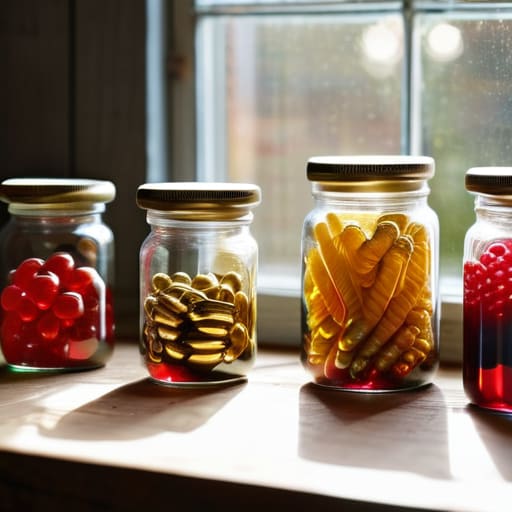
Look, those clear acrylic bins at the big-box stores are a total scam. They’re overpriced, they crack easily, and they don’t actually solve your clutter problem; they just make it look slightly more organized. Instead, go raid your recycling bin for glass jars—pasta sauce jars, mason jars, whatever you have lying around. If you clean them out properly, they are much more durable and way more versatile for holding everything from loose screws in my workshop to pens on my desk.
Repurpose Your Old Tech
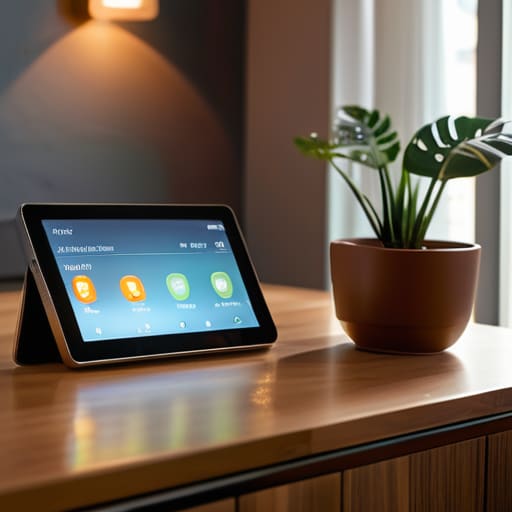
Since I spend half my life staring at server racks and code, I hate seeing perfectly good hardware go to waste. If you have an old tablet that’s too slow for modern apps, don’t just toss it in a drawer. You can mount it on your wall or prop it up on a stand to act as a dedicated smart home controller or a digital photo frame. It’s a way to breathe life into “dead” tech without spending a cent on a new gadget.
Command Hook Cable Management
Nothing ruins the vibe of a clean workspace faster than a “cable nest” tangling around your feet like a digital spaghetti monster. Most people think they need to buy expensive, heavy-duty cable management trays that screw into the underside of their desks, but honestly, that’s overkill for most of us. I swear by using small command hooks tucked behind the legs of my desk or along the underside of my shelving.
Use Floating Shelves for Vertical Space
When you’re living in a cramped space, floor real estate is precious, so stop trying to cram more bulky furniture into your room. If you need more storage for your books or your tech components, go vertical. Installing a few simple floating shelves is a game changer for making a small room feel less claustrophobic. It moves the visual weight of your stuff up the wall and keeps your floor clear.
The Multi-Tool Hack for Wall Art
Most “trendy” wall art is just overpriced prints that don’t actually serve a purpose. If you want to decorate your space while staying practical, look at your tools or your hobbies. I have a small section of my wall where I’ve mounted my most-used mechanical keyboard parts and some interesting circuit boards using simple mounting putty or small nails. It looks intentional and industrial, but it’s actually just my workspace organized.
Upcycle Old Fabric into Coasters
We all have that pile of old, worn-out t-shirts or scraps of denim sitting in the back of the closet. Instead of throwing them away, use them to make heavy-duty coasters for your desk or coffee table. All you need is some thick cardboard from a shipping box and some fabric glue. Cut the cardboard into squares, wrap the fabric around them tightly, and you’ve got something that actually protects your surfaces.
Lighting Over Decor
If your room feels “off” or depressing, you probably don’t need new decorations; you probably just have terrible lighting. Most people rely on that one harsh, overhead light that makes everything look clinical and cold. Stop buying cheap, plastic LED strips that peel off your walls after a week. Instead, focus on layered lighting using cheap floor lamps or even repurposed desk lamps.
Modular Storage with Crates
If you’re constantly moving or your living situation is temporary, stop investing in heavy, permanent furniture. I swear by wooden or plastic crates for modular storage. You can stack them to create a makeshift bookshelf, a bedside table, or even a room divider. They are incredibly rugged and adaptable, which is exactly what you need when you’re living a fast-paced life.
The Bottom Line
If a DIY project doesn’t serve a purpose or save you cash, it’s just more clutter—skip it.
Stop chasing the “aesthetic” and start looking at what you already own; most of your best decor is already sitting in your recycling bin or junk drawer.
Functionality over everything. A beautiful shelf is useless if it’s too flimsy to hold your tech or your books.
Stop Overthinking It
Look, at the end of the day, we’ve covered a lot of ground—from repurposing old glass jars for desk organization to building custom shelving that doesn’t cost a paycheck. The common thread here isn’t about making your apartment look like a Pinterest board; it’s about functional utility. Whether you’re upcycling scrap wood or just finally organizing your tech cables with some basic clips, the goal is to create a space that actually works for your lifestyle. Don’t get caught up in the “perfect” look. If a DIY project takes five hours and costs more than the retail version, it’s not a hack, it’s a headache. Stick to the projects that simplify your routine and clear the clutter.
My advice? Just pick one thing and start. You don’t need a massive budget or a professional workshop to reclaim your space; you just need a little bit of grit and the willingness to get your hands dirty. Your home should be a tool that supports your life, not a museum of expensive things you’re too afraid to touch. Stop waiting for the “perfect” moment to upgrade your setup and just start building what you need with what you already have. Real life is messy, and your decor should be built to last, not just built to be photographed.
Frequently Asked Questions
Won't these DIY projects just end up looking like cluttered junk if I don't do them perfectly?
Look, if it looks like junk, you did it wrong. There’s a massive difference between “clutter” and “curated utility.” If you’re just gluing random trash together, stop—that’s a waste of your time and materials. The goal isn’t to make something pretty for a photo; it’s to create something that serves a purpose. Stick to a consistent color palette or a single material, and if it doesn’t actually function, toss it. Keep it functional or don’t bother.
How do I figure out which projects are actually worth the time versus just being a waste of a weekend?
Look, before you grab your tools, ask yourself two things: “Will this solve a problem?” and “Does it actually save me money?” If you’re building a shelf just because it looks “aesthetic” on Pinterest but you don’t actually need the storage, stop right there. You’re just wasting a weekend and buying materials you don’t need. If it doesn’t fix a clutter issue or cut down your monthly spending, it’s just a hobby, not a hack.
Are there specific tools I absolutely need to get started, or can I really do this with just basic stuff I already have?
Look, don’t go out and drop a hundred bucks on a specialized toolkit just because a video told you to. Honestly? Most of this can be done with whatever you’ve already got in a junk drawer. A screwdriver, some heavy-duty scissors, and a roll of decent tape will get you through 90% of these projects. If you’re really serious, maybe grab a cheap multi-tool—it’s a lifesaver—but for now, just use what you have.
How do I make these functional hacks look decent without spending a fortune on "aesthetic" supplies?
Look, “aesthetic” is just a marketing term used to drain your bank account. If you want things to look decent, stick to a tight color palette. Pick two neutrals and one texture—like wood or metal—and stick to them. It makes even a mismatched collection of repurposed jars look intentional rather than messy. Don’t buy “decor”; just ensure your functional items share a common visual language. If it’s useful and fits the vibe, it works.