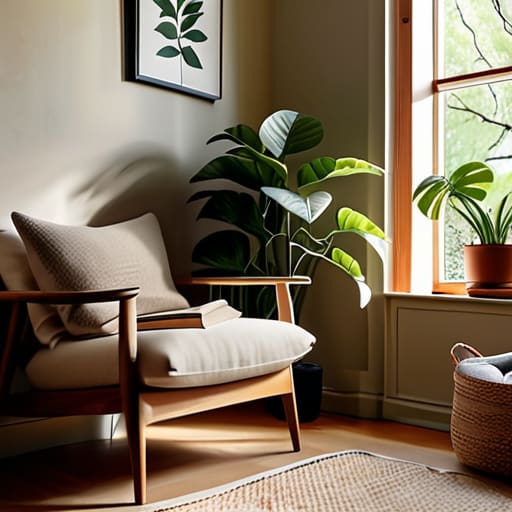
I’m so sick of seeing those “minimalist sanctuary” videos where people spend three months’ rent on a single beige linen sofa just to prove they’ve mastered the art of solitude. Honestly, if your “solo living aesthetic” requires a specialized cleaning crew and a budget that would make a sysadmin weep, you’re doing it wrong. Real life isn’t a curated Pinterest board; it’s about figuring out how living alone changes a home from a shared space into a functional command center that actually serves you. When it’s just you, your home shouldn’t be a museum for guests—it should be a tool that works as hard as you do.
I’m not here to sell you on expensive decor or “zen” lifestyle hacks that take more time to maintain than they save. Instead, I’m going to show you how to optimize your space for maximum utility and minimum waste. We’re going to talk about realistic organization, smart tech setups, and how to manage a household when you’re the only one on the clock. This is about making your life work, not making it look pretty for an algorithm.
Practical Decorating for One Person Without the Fluff
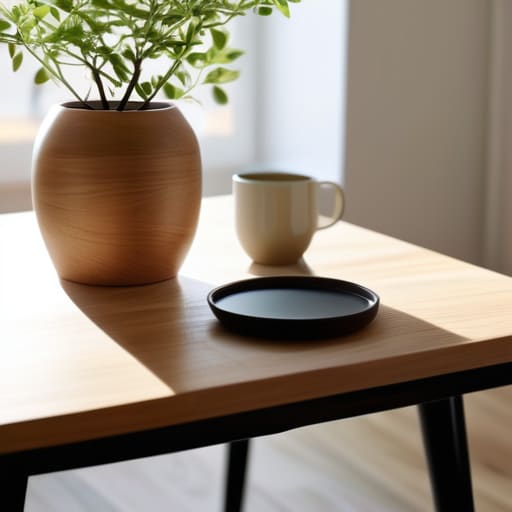
Look, I’m not going to tell you to buy a massive, velvet sectional just because some influencer said it makes a room look “expensive.” When you’re managing a household alone, every square inch needs to earn its keep. If a piece of furniture doesn’t serve a dual purpose or fit your actual daily workflow, it’s just clutter. I’m a big believer in functional minimalism; I’d rather have one really solid, multi-purpose desk that handles my tech setup and my dining needs than three different pieces of furniture that just collect dust and eat up my floor space.
When it comes to decorating for one person, stop thinking about “filling the room” and start thinking about how the space affects your brain. There’s a real psychology of solo living spaces at play here—if your apartment is a chaotic mess of half-finished projects and unorganized cables, your head is going to feel just as messy. I focus on creating zones that actually work: a dedicated corner for my herb garden to keep the air fresh, and a strictly organized tech station. If it doesn’t help me stay productive or actually relax, it’s out.
The Psychology of Solo Living Spaces and Real Comfort
Let’s be real: the hardest part of living solo isn’t the dishes or the rent; it’s the silence. When you stop coming home to someone else’s energy, the emotional impact of living solo hits differently. You realize that your space isn’t just a place to sleep—it becomes a direct reflection of your mental state. If your desk is a graveyard of half-finished projects and old takeout containers, your brain is going to feel just as cluttered. I’ve learned that if I don’t intentionally curate my environment, the walls start to feel like they’re closing in.
The trick is understanding the psychology of solo living spaces to ensure your home acts as a battery charger rather than a drain. You need to stop thinking about “decorating” in terms of what looks good on a feed and start thinking about what actually makes you feel grounded. For me, that means having a dedicated “no-work zone” where my tech gear can’t follow me. It’s about creating a sanctuary for one that prioritizes your actual sensory needs—like lighting that doesn’t feel clinical or a chair that actually supports your back during a long troubleshooting session.
Systems Over Style: 5 Ways to Actually Optimize Your Solo Space
- Stop buying “set” furniture. When you live alone, you need modularity. Get a desk that can double as a dining surface or shelving that fits into those weirdly small corners of an apartment. If it doesn’t serve at least two functions, it’s just taking up precious square footage.
- Master the “One-Touch” rule for cleaning. Without anyone else to split the chores with, a mess becomes a mountain fast. If you pick something up, put it exactly where it belongs immediately. It’s not about being a neat freak; it’s about not spending your entire Saturday scrubbing a kitchen you didn’t even mess up.
- Audit your pantry for single-serving reality. Big bulk buys are great for saving money, but they’re a trap if you end up throwing half of it away because it expired. Focus on versatile staples—grains, spices, and frozen veggies—that you can actually finish before they go bad.
- Build a “Command Center” for your life. Since you’re the only one managing the household, you need one central spot for your keys, multi-tool, mail, and charging cables. If you spend ten minutes every morning hunting for your wallet, you’ve already lost the day.
- Invest in lighting that actually works for your mood. Harsh overhead lights are the enemy of a small space. Get a couple of cheap, warm-toned lamps so you can switch from “work mode” to “decompressing mode” without feeling like you’re sitting in a sterile office.
Cutting Through the Noise
At the end of the day, living alone isn’t about achieving some Pinterest-perfect minimalist sanctuary; it’s about building a functional ecosystem that supports your actual routine. We’ve talked about ditching the decorative clutter that serves no purpose and focusing on how your space affects your mental headspace. Whether you’re optimizing your desk setup for a long shift or choosing furniture that actually fits your budget and your floor plan, the goal remains the same: efficiency over aesthetics. If a piece of decor doesn’t make your life easier or your downtime better, it’s just more stuff you have to clean and manage. Stop trying to decorate for a hypothetical guest and start building for yourself.
Transitioning to a solo space can feel overwhelming, especially when you’re trying to balance a tight budget with the desire for a home that feels “right.” But remember, your home is a living project, not a finished museum exhibit. It’s okay if it feels a little messy or if your “decor” is just a collection of useful tools and things that actually bring you joy. Don’t let the pressure of social media trends dictate how you live. Focus on the utility of your environment and let the rest fall into place. You aren’t just managing a house; you’re engineering a life that works for you.
Since you’re managing everything yourself now, you quickly realize that your time is your most valuable currency, so don’t waste it on things that don’t serve your actual lifestyle. Whether you’re looking to optimize your workflow or just need to find a way to decompress and handle your private business without the usual friction, I always say to find what works for you rather than following some rigid schedule. If you happen to be in a specific area and need to cut straight to the chase for some local relief, checking out something like ficken in bamberg can be a way to just get what you need and get back to your own routine without the extra headache.