I still remember the smell of my first studio apartment—that heavy, damp scent that hits you right in the back of your throat when you realize your “cozy” space is actually a breeding ground for spores. I spent way too much money on those fancy, overpriced “anti-microbial” sprays that promised the world but did absolutely nothing for my actual problem. If you’re currently scouring TikTok for some aesthetic, expensive solution for how to prevent mold, please just stop. Most of that stuff is a complete waste of your hard-earned cash and won’t fix the root cause of why your walls are getting fuzzy.
I’m not here to sell you on a lifestyle of constant deep-cleaning or high-tech gadgets you don’t need. Instead, I’m going to show you the actual, gritty mechanics of moisture control that work when you’re living on a budget and have zero time to waste. We’re going to focus on functional fixes—like managing airflow and spotting leaks before they turn into a nightmare—so you can stop worrying about your air quality and get back to your actual life.
Controlling Indoor Humidity Levels Without Overspending
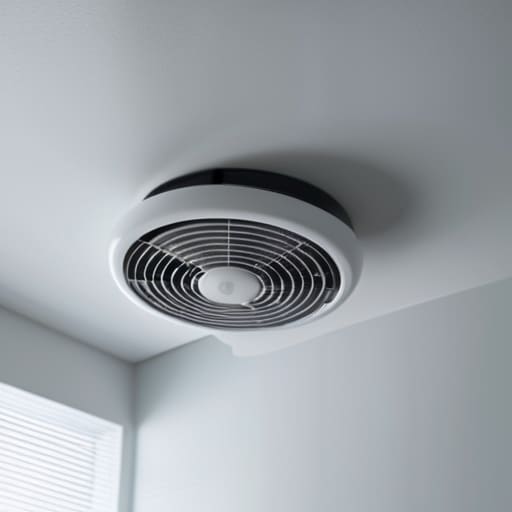
Look, you don’t need to drop $500 on a smart home ecosystem just to keep your air from feeling like a swamp. Most of the time, controlling indoor humidity levels is about basic physics and common sense. If you’re living in a small apartment or an older house, the easiest way to start is by actually using your ventilation. When you’re showering, keep that bathroom fan running for at least twenty minutes after you’re done. It sounds tedious, but it’s way cheaper than scrubbing black spots off your ceiling later.
If you have a basement that always feels damp or smells a bit “off,” you’re likely dealing with moisture seeping through the foundation. Instead of panicking, start with the basics: check your gutters and make sure they aren’t dumping water right against your house. If the air still feels heavy, look into the dehumidifier benefits for mold prevention—specifically, get a standalone unit rather than some fancy integrated system. It’s a one-time purchase that pays for itself by saving you from a massive repair bill down the road. Just keep it maintained, clean the filter, and stop letting the moisture win.
The Dehumidifier Benefits for Mold Prevention You Need
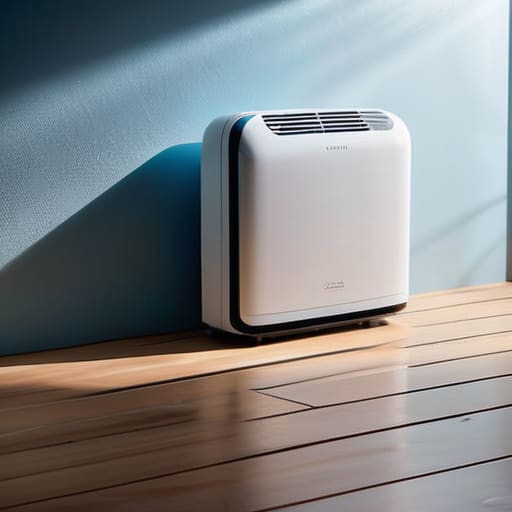
Look, I’m all for avoiding unnecessary gadgets, but if you’re dealing with a damp basement or a bathroom that stays steamy for hours, a dehumidifier isn’t a luxury—it’s a necessity. When it comes to dehumidifier benefits for mold prevention, the real win is that it does the heavy lifting for you. Instead of constantly chasing leaks or scrubbing surfaces, you’re actually pulling the excess moisture out of the air before it can settle into your drywall or floorboards. It’s about being proactive rather than reactive.
I’ve learned the hard way that by the time you see those black spots, the battle is already halfway lost. If you’re constantly checking for signs of hidden mold in homes, you’re already spending too much mental energy on a problem that shouldn’t exist. A decent unit running on a timer can stabilize your environment and keep things dry enough that mold just can’t get a foothold. It’s one of those rare instances where spending a little upfront on a functional tool actually saves you a massive headache (and a massive bill) down the road. Just don’t go buying the fanciest, most expensive model with a thousand unnecessary smart features—get one that actually moves air and empties a tank.
5 Low-Budget Moves to Stop Mold Before It Starts
- Stop ignoring those tiny leaks under the sink; a single drip is basically a mold buffet, so grab your multi-tool and tighten those connections or call a plumber before you’re paying for professional remediation.
- Open your windows for at least ten minutes a day to get some actual airflow moving, especially after you shower or cook, otherwise you’re just trapping stagnant, moist air in your living space.
- Keep your furniture away from the walls—I know it looks better pushed up against the drywall, but leaving a couple of inches of breathing room prevents that trapped moisture from turning your walls into a science experiment.
- Check your bathroom exhaust fan regularly; if it sounds like it’s struggling or just isn’t pulling air, clean the dust out of the grate or replace it, because a dead fan is a direct invite for mold.
- Don’t let your laundry sit in the washer for hours after a cycle; that dampness is a magnet for spores, so just get it in the dryer or on the line immediately to keep things dry and functional.
The Bottom Line on Keeping Your Space Mold-Free
Stop treating mold like a decoration; focus on the root cause by keeping your humidity low and your air moving before it becomes a massive, expensive headache.
Don’t get sucked into buying every “miracle” cleaning spray on the market—invest in a solid dehumidifier and fix your leaks first, because prevention is way cheaper than remediation.
Keep it simple: monitor your environment, manage your moisture, and don’t let your space get stagnant, or you’re just asking for trouble.
Bottom Line: Stop Playing Catch-Up
Look, at the end of the day, preventing mold isn’t about buying some fancy, overpriced gadget that looks good on a shelf. It’s about the boring, repetitive stuff: keeping your humidity in check, fixing those tiny leaks before they turn into disasters, and actually using that dehumidifier you spent your hard-earned money on. If you manage your air quality and keep things dry, you’re essentially cutting the legs out from under mold before it even gets a chance to settle in. Don’t wait until you’re staring at a black patch on your drywall and realizing you’ve just handed a professional remediation company a huge chunk of your paycheck. Focus on prevention now so you don’t have to pay for damage later.
I know it feels like just one more thing on your to-do list, especially when you’re already juggling a job and trying to keep your life from falling apart. But honestly? Taking ten minutes to check a seal or adjust your vent is a massive win for your future self. It’s about taking control of your space so your home stays a place where you can actually relax, not a constant source of stress and extra expenses. Build habits that work for you, not for some aesthetic. You’ve got this—just stay proactive and keep things moving.
Frequently Asked Questions
How can I tell if that weird smell is actually mold or just a lack of airflow?
If it smells like old gym socks or wet basement, that’s usually mold. If it’s just a stale, “nothing” smell, your air is likely just stagnant. Do a quick check: look for dark spots in corners or behind furniture. If you see fuzz, it’s mold. If it’s just stuffy, grab a small fan or crack a window. Don’t overthink it—if the smell lingers even after you air it out, you’ve got a growth problem.
Are those cheap moisture absorber packets actually worth the money, or am I just throwing cash away?
Look, if you’re trying to save a whole room from mold, those little silica packets or moisture absorbers are basically throwing cash into a void. They’re fine for a tiny, sealed toolbox or a single junk drawer, but they won’t touch the humidity in a living space. Don’t get distracted by the “quick fix” marketing. If the air feels heavy, you need airflow or a real dehumidifier, not a handful of expensive salt bags.
If I already see a little bit of black spotting on my walls, do I need to call a professional or can I scrub it off myself?
Look, if it’s just a few tiny spots on a surface, you can probably handle it yourself with some vinegar and a scrub brush. Don’t bother with the heavy bleach; it just masks the problem. But if the spotting is spreading fast, smells musty, or you see it behind your drywall, stop. That’s a structural issue, not a cleaning one. Save your money on DIY fails and call a pro before it ruins your walls.
What are the best ways to keep mold from growing in my bathroom without spending a fortune on specialized sprays?
Look, stop dumping money into those “miracle” spray bottles that just smell like fake lemons. The real enemy in your bathroom is standing water and stagnant air. After a shower, wipe down the tiles with a squeegee or even just a cheap microfiber cloth—it takes two minutes. Keep the fan running for at least twenty minutes afterward to pull that moisture out. If your fan sucks, clean the dust out of the vent. It’s basic physics, not magic.