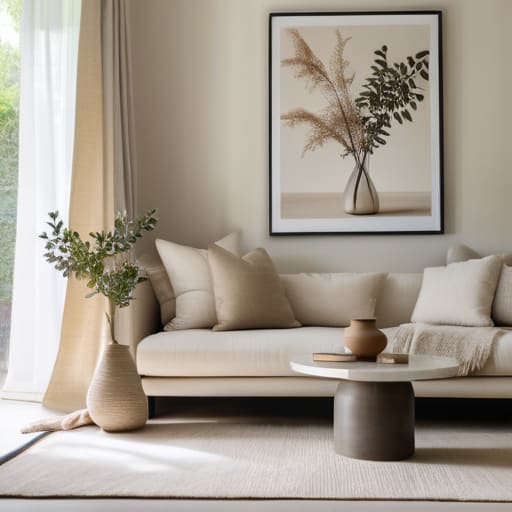
I’m so tired of scrolling through my feed and seeing these perfectly staged, minimalist apartments that look like they were designed by a robot with an unlimited credit card. It’s exhausting, and honestly? It’s fake. Most of us are out here trying to make a life in spaces that aren’t exactly sprawling estates, usually while balancing a tight paycheck and a chaotic schedule. You don’t need a massive renovation or a designer’s touch to make your place feel less like a storage unit and more like a home. I’ve spent years figuring out actual budget decorating ideas that don’t involve buying overpriced, flimsy junk from big-box stores that breaks the second you move it.
In this post, I’m stripping away the fluff and giving you eight ways to actually improve your space without draining your bank account. We aren’t talking about aesthetic trends that will be cringe by next year; we’re talking about functional, smart moves that make your environment work for you. I’m going to show you how to prioritize what matters so you can stop stressing about your decor and start actually enjoying your space. Let’s get into it.
Stop Buying Matching Furniture Sets
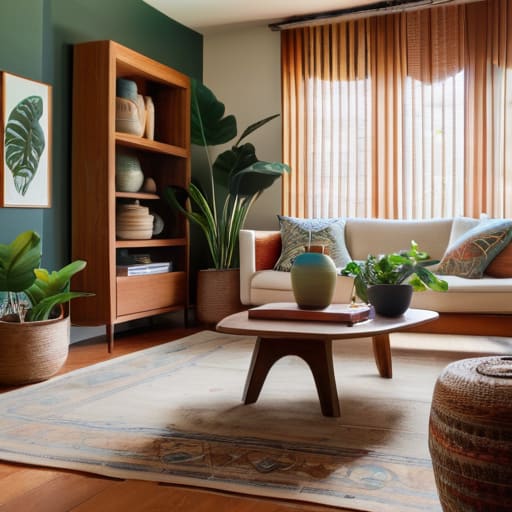
I see people do this all the time—they go to a big-box store and buy a matching bedroom or living room set just because it looks “complete.” Honestly? It looks sterile and incredibly cheap. When everything is the exact same wood grain and finish, your room loses all personality and starts looking like a staged showroom instead of a home.
Lighting Over Everything
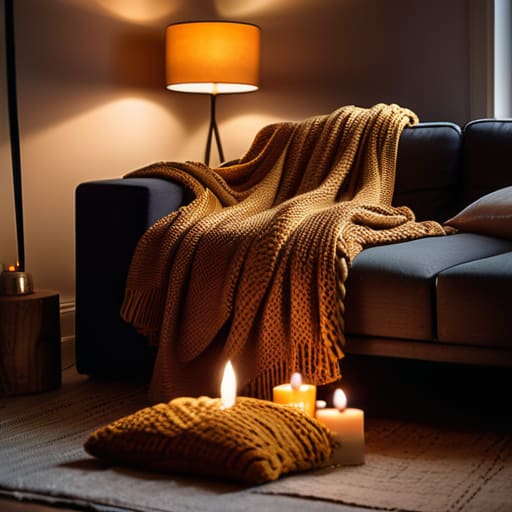
If you’re still relying on that one massive, harsh overhead light that came with your apartment, please stop. Nothing kills a vibe faster than “hospital lighting” that makes everything look flat and depressing. It’s the fastest way to make a cheap space feel even cheaper.
Plants That Won't Die on You
Everyone on Instagram has these massive, lush jungles, but let’s be real: most of us don’t have the time or the green thumb for high-maintenance tropicals. Don’t go out and spend fifty bucks on a temperamental fiddle leaf fig just because it looks good in a photo. You’ll just end up with a dead, expensive stick in your corner.
Use Your Walls, Not Your Floor
When you’re living in a small space, floor real estate is precious. If you keep adding more side tables, chairs, and storage bins, you’re eventually going to be tripping over your own stuff. This is where vertical space becomes your best friend.
The Power of Textiles
If your room feels cold or unfinished, it’s probably because there’s too much hard surface area. You’ve got wood floors, a desk, maybe a metal bed frame—it all feels very “industrial” in a bad way. You don’t need to buy a designer rug to fix this; you just need some texture.
Declutter Like Your Life Depends On It
This isn’t a “decorating” tip in the traditional sense, but you can’t decorate a mess. I’ve seen people buy expensive art and fancy candles just to place them on top of a pile of random cables and old mail. That’s not a lifestyle; that’s just organized chaos.
DIY Your Own Art
Buying mass-produced “wall art” from big retailers is a waste of money, and honestly, it’s kind of boring. Every apartment in the city ends up looking the same because everyone is buying the same three prints. If you want something that actually means something, you have to make it yourself.
Functional Decor Only
Here is my golden rule: if it doesn’t serve a purpose, it’s just extra weight. I’m not a fan of “knick-knacks”—those little dust-collectors that serve no purpose other than to sit there. In a small space or a tight budget, every item needs to earn its keep.
The Bottom Line
Stop chasing “aesthetic” trends that expire in six months; if a piece of decor doesn’t serve a purpose or actually make your space more livable, leave it on the shelf.
Prioritize function over fluff—invest your limited budget into things that actually work, like better lighting or organized storage, rather than cheap trinkets that just create clutter.
Your home should work for you, not the other way around, so focus on small, high-impact DIY fixes that save you money and time in the long run.
Stop Chasing the Aesthetic, Start Building Your Space
Look, decorating your place shouldn’t feel like a second job or a way to drain your savings account. We’ve covered everything from scouring thrift stores for solid wood pieces to just rearranging what you already own to change the flow of a room. The point isn’t to make your apartment look like a Pinterest board that you can’t afford to live in; it’s about making sure your environment actually serves you. Whether you’re upgrading your lighting to stop that depressing overhead glare or repurposing old containers for your herb garden, the goal is utility over vanity. If a piece of decor doesn’t serve a purpose or bring you actual comfort, it’s just more clutter you’ll have to move when you inevitably change your mind.
At the end of the day, your home is a living, breathing workspace and sanctuary, not a museum for trends that will be obsolete by next season. Don’t let the pressure of “perfect” living make you feel like your space is never finished. Real life is a bit messy, and your home should reflect that—it should be a place that works for you, not a place you’re constantly stressed about maintaining. Focus on functional upgrades that make your daily routine smoother and your budget stay intact. Build your space piece by piece, one smart decision at a time, and stop worrying about whether it looks “Instagrammable.” If it works, it’s good enough.
Frequently Asked Questions
I really want to change my space, but how do I know if a cheap DIY project is actually going to look good or if I'm just wasting my Saturday on something that'll look tacky?
Look, the “tacky” trap usually happens when you try to mimic a Pinterest aesthetic without considering your actual space. Before you grab the hot glue gun, ask yourself: Does this add utility, or is it just visual noise? If you’re painting something, test a swatch first—don’t just wing it. If a project doesn’t solve a storage problem or fix a functional annoyance, it’s probably just clutter in disguise. Stick to quality materials, even if they’re secondhand.
Is it actually worth buying second-hand furniture, or am I just going to end up spending more money trying to fix broken stuff?
Look, it’s a gamble, but it’s one worth taking if you know what to look for. Don’t buy a “vintage” chair if the legs are wobbly or the fabric is shredded—that’s just a project you don’t have time for. Stick to solid wood or metal frames. You can fix a scratch or a loose screw with my multi-tool and ten minutes, but you can’t fix cheap particle board that’s already falling apart.
How do I stop myself from buying more "stuff" just because it's cheap? I feel like I'm constantly one clearance aisle away from a cluttered mess.
Listen, I’ve been there. Growing up in a tiny apartment, I learned the hard way that “cheap” is actually expensive if it just ends up taking up space you don’t have. Before you grab that clearance item, ask yourself: Does this solve a problem or just fill a gap? If it doesn’t have a specific job or a dedicated home, leave it on the shelf. If you can’t name its function, it’s just future clutter.
What are some ways to make a small, cramped apartment feel bigger without spending a fortune on massive new pieces?
Look, if you’re stuck in a shoebox apartment like I was, stop looking for “statement pieces”—they’ll just choke your floor plan. Focus on verticality. Use wall-mounted shelves to get your gear off the floor and clear up visual clutter. Also, lighting is everything; swap those harsh overheads for a few strategically placed lamps to create depth. It’s about tricking your eyes into seeing space where there isn’t any, without breaking your bank.