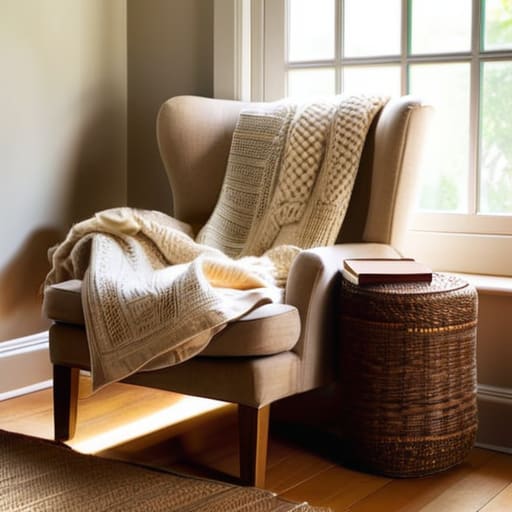
Look, I get it. You scroll through Pinterest and see these massive, sun-drenched libraries with floor-to-ceiling bookshelves and velvet chaise lounges, and you think, “Yeah, okay, but I live in a studio apartment with zero square footage.” Most of the cozy reading nook ideas you see online are just expensive aesthetic traps that require a designer budget and a house twice your size. I grew up in a cramped apartment where every inch of floor space was a battleground, so I learned early on that you don’t need a mansion to create a sanctuary; you just need to stop overcomplicating things.
In this post, I’m stripping away the fluff to give you eight practical, high-utility ways to carve out a space for yourself. I’m talking about real-world setups that prioritize comfort and function over looking “Instagrammable.” You’re going to learn how to maximize your existing footprint using stuff you probably already own or can grab for cheap. By the end of this, you’ll have a blueprint for a dedicated reading spot that actually works for your lifestyle, regardless of how small your living room is.
Stop Buying Designer Armchairs
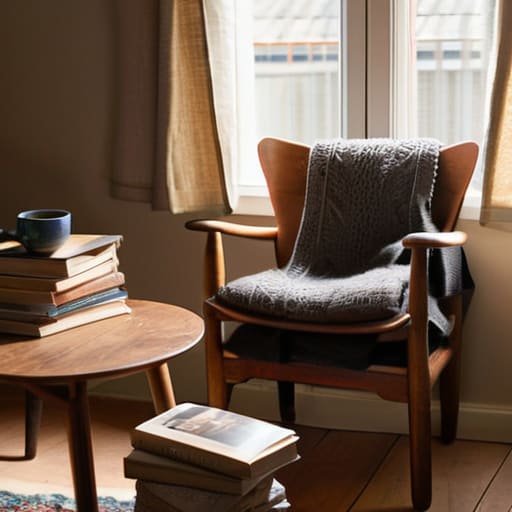
Look, I see these Pinterest boards with $800 velvet wingback chairs and I just want to roll my eyes. Most of those are overkill for a tiny apartment, and they take up way too much floor space. If you want a real reading nook, go to a thrift store or check Facebook Marketplace for a solid, secondhand armchair that actually has some support. You don’t need the aesthetic; you need something that won’t wreck your back after twenty minutes of reading.
Lighting That Doesn't Kill Your Eyes
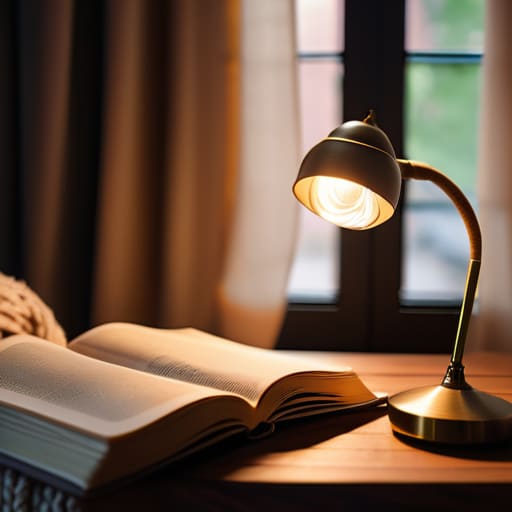
Please, for the love of everything, stop trying to read under a single, harsh overhead light. It’s a recipe for a headache, and it totally ruins the vibe you’re trying to build. You need a dedicated task light—something like a simple adjustable desk lamp or a clip-on light that you can attach to a shelf. It keeps the light focused on your pages so you aren’t straining your eyes in the dark.
Utilize Every Dead Corner
You don’t need a dedicated “reading room”—most of us don’t even have enough rooms for a guest bed. The secret is finding those weird, useless corners in your apartment that usually just collect dust or old laundry. A small corner between a window and a bookshelf is perfect. Just clear out the clutter and claim that square footage as your personal zone.
The Floor Cushion Hack
If you literally have zero floor space for a chair, stop stressing and just embrace the floor. I do this all the time when I’m working on my keyboard builds or just need to decompress. Grab a couple of large, firm floor pillows or even an old bed pillow that you can prop up against the wall. It’s a zero-cost way to create a nook without adding any bulky furniture to your room.
Build a Low-Cost Book Station
Don’t go out and buy one of those massive, expensive wooden bookcases if you’re short on cash or space. They’re heavy, hard to move, and usually a nightmare to assemble. Instead, use what you have. A simple set of stackable crates or even just a sturdy pile of books can act as a makeshift shelf right next to your seating area.
Manage Your Tech Distractions
A reading nook is useless if you spend the whole time scrolling through TikTok. I’ve learned the hard way that if my phone is right next to me, I am not reading. You need a designated spot to park your devices that isn’t your lap. A small basket or even just a specific corner of your side table can serve as a “phone jail” while you’re in your nook.
Keep Your Supplies Within Reach
There is nothing more annoying than getting settled into a perfect reading groove only to realize your water is empty or you need a highlighter. You don’t need a fancy side table; just find a way to keep the essentials close. A small tray or even a repurposed tin can can hold your pens, bookmarks, or even your glasses.
Don't Overcomplicate the Decor
I see people spending hours picking out “aesthetic” candles and expensive throw pillows just to make a nook look “cozy.” Honestly? That’s a waste of time and money. If the pillow is uncomfortable, it doesn’t matter how pretty it looks. If the candle smells too strong, it’ll just give you a headache.
The Bottom Line on Your Nook
Stop chasing the “Pinterest aesthetic” and prioritize actual comfort; if your back hurts after ten minutes, the nook is a failure regardless of how it looks.
Use what you already own—repurpose a corner, an old armchair, or even a pile of floor cushions instead of dropping a paycheck on “curated” furniture sets.
Keep it functional by ensuring you have decent lighting and a way to hold your drink or tech, otherwise, you’ll just end up moving back to the couch.
Stop Overthinking It and Just Build It
Look, at the end of the day, you don’t need a massive library or a custom-built mahogany reading chair to get this right. Whether you’re repurposing an old armchair, setting up a corner with a decent lamp to save your eyes, or just using a stack of crates as a makeshift side table, the goal is the same: utility. We covered how to maximize small spaces and how to prioritize actual comfort over looking like a Pinterest board. Remember, a reading nook isn’t a status symbol; it’s a tool for your mental health and a way to reclaim a few minutes of peace in a chaotic week. If it doesn’t help you focus or save you a headache, it’s just more clutter you don’t need.
My advice? Stop scrolling through “aesthetic” home decor videos and just start where you are. Use what you have, fix what’s broken, and prioritize function every single time. You don’t need a designer budget to create a space that actually works for your life. Once you have your setup—even if it’s just a beanbag and a clip-on light—you’ll realize that the best spaces aren’t the ones that look perfect on camera, but the ones that actually let you breathe. Now, go grab your book and get to work.
Frequently Asked Questions
I don't have a spare room, so how can I make a nook work in a tiny studio apartment without it feeling cluttered?
Look, I get it. I grew up in a shoebox apartment where every square inch was a battleground. If you don’t have a spare room, stop trying to “carve out” a space and start layering. Use a corner, grab a small armchair, and use a floor lamp to create a visual boundary. Keep your books on a slim floating shelf rather than a bulky bookcase. If it doesn’t serve a purpose, it’s just clutter.
What’s the best way to set up decent lighting if I’m stuck in a corner with zero natural light?
Look, if you’re stuck in a dark corner, don’t waste your cash on those expensive “smart” mood lights that just look like neon blobs. You need layers. Grab a decent floor lamp with a warm LED bulb for general light, and a focused task lamp for actually reading. If you can, lean a cheap mirror against the wall opposite your light source—it’ll bounce the light back and make the space feel way less like a cave.
Are there any cheap, DIY ways to make a reading chair more comfortable without spending a fortune on high-end cushions?
Look, don’t fall for the “luxury velvet cushion” trap online. It’s a money pit. If your chair feels like a wooden bench, grab some high-density foam scraps from a local upholstery shop or even an old memory foam topper you’ve outgrown. Wrap it in a cheap, washable cotton cover so it doesn’t look trashed. Also, layer a heavy wool blanket underneath—it adds much-needed structural support and warmth without costing a dime.
How do I stop my reading corner from just becoming a dumping ground for my laptop and random tech gear?
Look, I get it. My desk is basically a graveyard for half-finished keyboard builds and random cables. If your nook is turning into a tech graveyard, you need a “landing zone” nearby. Get a dedicated tech tray or a small organizer for your laptop and chargers so they have a specific home that isn’t your reading chair. If it doesn’t have a designated spot, it’s just clutter. Keep the tech contained so the cozy stays cozy.