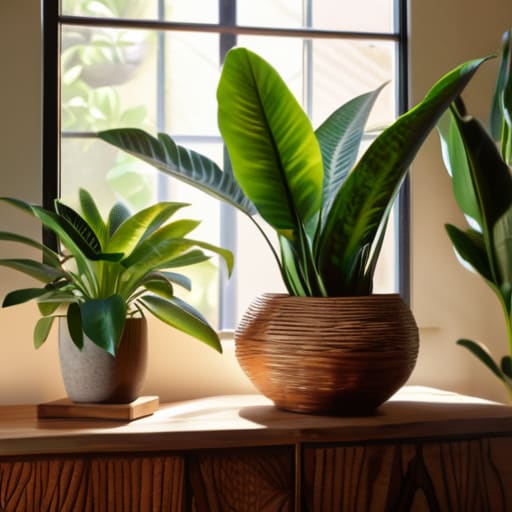
Look, I get it. You see these perfectly curated, lush jungle apartments on Instagram and think you need a degree in botany just to keep a single leaf from turning brown. But let’s be real: most of those setups are a total lie, and frankly, they’re a massive waste of money if you don’t have the time to baby them. If you’re living in a small space or working a job that keeps you away from home, you don’t need a high-maintenance diva; you need houseplants for beginners that actually survive your chaotic schedule. I grew up in a tiny apartment where every square inch mattered, so I learned early on that if a plant requires constant attention just to stay alive, it’s not worth your energy.
I’m not here to sell you on a lifestyle aesthetic; I’m here to give you a survival guide. In this list, I’ve narrowed it down to eight specific plants that are virtually indestructible and won’t drain your bank account. We’re talking about greenery that works for your life, not the other way around. By the time you finish reading, you’ll know exactly which low-maintenance plants to grab so you can stop wasting money on things that die in a week.
The Unkillable Snake Plant
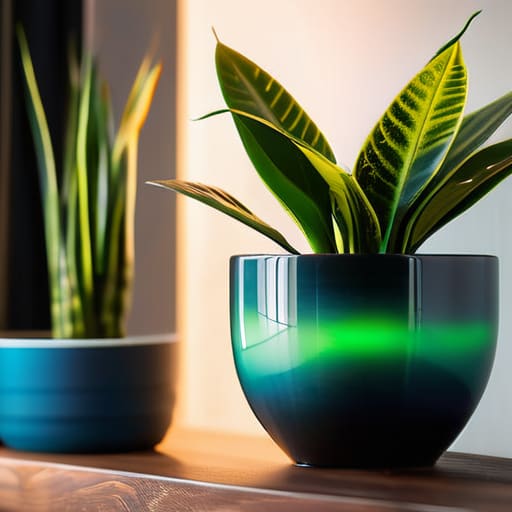
If you’re like me and sometimes forget that living things need water to exist, the Snake Plant is your new best friend. I keep one of these on my desk next to my server rack, and honestly, it’s survived more system outages and long work weeks than I care to admit. It doesn’t need direct sunlight, which is perfect if your apartment is basically a cave.
Pothos: The Living Vine
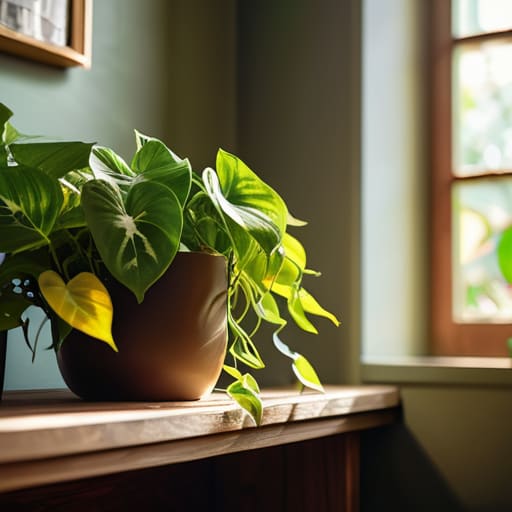
Pothos is basically the “plug-and-play” of the plant world. I love these because they grow fast and look great trailing down from a bookshelf or a high cabinet, filling up that empty space without costing a fortune. If the leaves start looking a little wilted and sad, that’s just the plant’s way of telling you it’s thirsty.
ZZ Plant for Dark Corners
If you have a corner of your room that gets zero natural light, don’t waste your money on a sun-loving tropical plant that’s just going to die in a week. Grab a ZZ plant instead. These have these thick, waxy leaves that look almost artificial because they stay so shiny and green even when you’re ignoring them.
Spider Plant Reliability
Spider plants are old school for a reason: they actually work. They’re great because they produce these little “babies” that hang down from the main plant, which looks cool and gives you free plants to give to your friends. It’s a practical way to expand your indoor garden without spending another dime at the nursery.
Peace Lily for Low Light
If you want something that actually looks a bit more “aesthetic” and elegant, the Peace Lily is a solid choice. It has these white blooms that make it feel a bit more fancy than just a bunch of green leaves. However, be warned: these plants are dramatic. When they need water, they will literally collapse and look dead.
Aloe Vera for Functionality
I’m a big believer in plants that actually serve a purpose, and Aloe Vera is the king of utility. Beyond just looking cool in a terracotta pot, you can actually use the gel inside the leaves for minor burns or skin irritation. It’s a functional tool for your home, not just a decoration.
Monstera Deliciosa Ambition
If you want that “Instagram look” without the fake vibe, the Monstera is the way to go. Those huge, split leaves make a massive statement in a room, and they grow incredibly fast. It’s a bit of an investment compared to a tiny Pothos, but the visual payoff is huge for your living space.
Jade Plant Longevity
Jade plants are succulents that look like little miniature trees, and they are built to last. They are incredibly hardy and can live for decades if you don’t mess with them too much. I like them because they feel substantial and sturdy, which is a nice contrast to the more delicate-looking leafy plants.
The Bottom Line
Stop buying plants because they look “aesthetic” on Pinterest; if you don’t have the light or the time to care for them, they’re just going to die and waste your money.
Prioritize hardiness over looks—start with the “unkillables” like snake plants or pothos to build your confidence before you try to play gardener with something finicky.
Invest in a decent watering can and maybe a cheap moisture meter, because overwatering is the fastest way to turn a cheap plant into an expensive mistake.
Stop Overthinking It
Look, the bottom line is that you don’t need a greenhouse or a massive budget to bring some life into your space. Whether you went with a bulletproof snake plant or a low-maintenance pothos, the goal was to find something that fits your actual lifestyle, not some Pinterest version of one. Avoid the trap of buying “aesthetic” plants that require constant misting and expensive specialized soil just to stay alive. Stick to the functional basics we talked about: get the right light, don’t drown them in water, and stop hovering over them every five minutes. If you pick something hardy, you’re setting yourself up for a win rather than a funeral for a dead fern.
At the end of the day, your apartment shouldn’t feel like a museum; it should feel like a place where you actually live. Don’t let the fear of a little trial and error stop you from trying. Even if you kill a plant—and trust me, I’ve killed plenty—it’s just a lesson in what doesn’t work for your specific setup. It’s about small, sustainable wins that make your environment feel a bit more human without adding massive amounts of stress to your schedule. Grab a pot, get some dirt, and just start building your little indoor ecosystem. You’ve got this.
Frequently Asked Questions
How much should I actually be spending on pots versus the plants themselves?
Look, don’t fall for the trap of spending fifty bucks on a ceramic designer pot for a ten-dollar plant. It’s a waste of money. Spend the bulk of your budget on the plant itself—that’s where the life is. For pots, stick to cheap terracotta or even repurposed containers from a thrift store. Just make sure they have drainage holes. If you can’t drill one, you’re just asking for root rot. Keep it functional.
Is it worth buying a grow light, or am I just wasting money if my apartment doesn't get much sun?
Look, if your apartment is basically a cave, stop trying to force it. You can’t “hack” physics; if there’s no light, your plants will just rot or stretch until they look pathetic. Don’t drop $200 on a professional setup, though. Grab a decent, mid-range LED grow light from Amazon. It’s a small upfront cost that actually saves you money by preventing you from constantly replacing dead plants. If you aren’t getting sun, buy the light.
How do I know if I'm overwatering without constantly poking the dirt like a crazy person?
Look, I used to do the “finger poke” thing constantly, and honestly, it’s a great way to stress yourself out. Stop guessing. Buy a cheap moisture meter—it’s a five-dollar tool that actually works. If you don’t want to buy one, just use a wooden chopstick. Stick it deep into the soil; if it comes out dark and damp, walk away. If it’s bone dry, give it a drink. Simple, functional, and no more guesswork.
What's the best way to keep bugs from taking over my plants without using expensive, toxic chemicals?
Look, don’t go dropping fifty bucks on some “organic” boutique spray that’s basically just scented water. If you see pests, grab some Neem oil or just mix a teaspoon of mild dish soap with a liter of water in a spray bottle. It’s cheap, it works, and it won’t turn your apartment into a chemical hazard zone. Just spray the leaves, hit the undersides where they hide, and keep it simple.