I’m so over those “wellness influencers” telling you that cutting sugar means spending sixty bucks a week on organic, monk-fruit-sweetened, artisanal keto snacks that taste like flavored cardboard. Honestly, that is such a scam. When I was living in that cramped studio apartment and trying to balance my sysadmin shifts with a budget that barely covered rent, I didn’t have the luxury of buying “lifestyle” replacements. I realized that figuring out how to reduce sugar in your diet isn’t about buying expensive, trendy substitutes; it’s about deconstructing the junk you’re already buying and making smarter, functional swaps that don’t wreck your bank account.
I’m not going to give you a list of impossible dietary restrictions or suggest you live on celery sticks. Instead, I’m going to show you the actual, gritty ways I cut back without losing my mind or my energy levels. We’re going to focus on practical, low-effort adjustments—like reading labels like a pro and fixing your pantry—so you can stop the sugar crashes and start saving money. No fluff, no aesthetic plating, just real strategies that actually work for people with busy lives.
Mastering the Art of Reading Nutrition Labels for Sugar
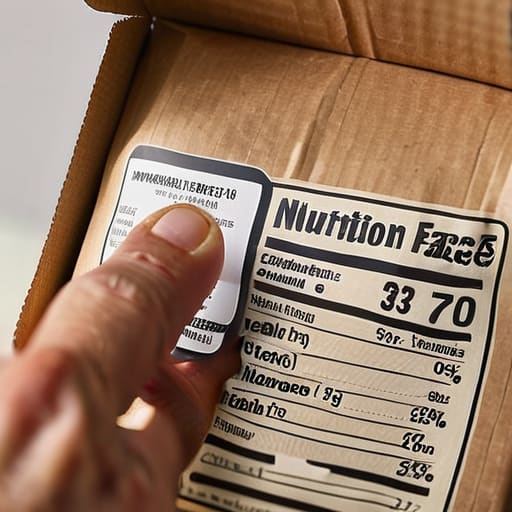
Look, if you’re just glancing at the “Total Sugars” line on a box and calling it a day, you’re getting played. Most brands are experts at hiding the bad stuff in plain sight. You have to actually learn the art of reading nutrition labels for sugar if you want to stop accidentally sabotaging your energy levels. Don’t just look for the word “sugar”—that’s too easy. Companies love to use aliases like maltodextrin, high fructose corn syrup, or even barley malt to sneak extra sweetness into things that are supposed to be “healthy,” like granola or yogurt.
When I’m grocery shopping on a budget, I don’t have time to play detective with every single item, but I do make it a rule to flip the package over and scan the ingredient list. If sugar is in the top three ingredients, I put it back. It’s the fastest way to spot hidden sugars in processed foods before they end up in your cart. I’m not interested in fancy marketing claims on the front of the box; I only care about the actual data on the back. If you can’t pronounce it or if it sounds like a chemistry experiment, it’s probably just a way to keep you hooked on a sugar spike.
Exposing the Hidden Sugars in Processed Foods

Here’s the thing: food companies are basically hackers, but they’re hacking your biology instead of a server. They hide sugar everywhere so you keep buying their stuff, and it’s honestly exhausting. I used to think I was being “healthy” by grabbing a granola bar or a flavored yogurt, only to realize I was basically eating a dessert for breakfast. You have to look past the front of the box—where they scream “high fiber” or “all natural” in big, friendly fonts—and get into the fine print. The real hidden sugars in processed foods are often buried under names you wouldn’t even associate with sweetness, like maltodextrin, barley malt, or agave nectar.
If you want to stop the cycle of energy crashes, you have to stop trusting the marketing. I’ve learned that if a product has more than five ingredients and half of them sound like a chemistry experiment, it’s probably a sugar trap. Instead of chasing “low-fat” versions of things—which are almost always loaded with extra sugar to make up for the lost flavor—focus on whole, single-ingredient foods. It’s much easier to manage your energy when you aren’t constantly fighting off massive spikes and crashes from stuff that was designed to be addictive.
Stop the Sugar Spikes: 5 Practical Swaps That Won't Break Your Budget
- Stop drinking your sugar. I used to grab flavored lattes or sodas every afternoon for a quick hit, but it was just a massive waste of money and a guaranteed energy crash. Switch to sparkling water with a squeeze of real lime or just plain old tea. It’s cheaper, and your brain won’t feel like mush by 3 PM.
- Audit your “healthy” breakfast. A lot of those granola bars and flavored yogurts are basically just candy bars in disguise. I started making my own overnight oats with basic pantry staples—oats, chia seeds, and a bit of cinnamon. It’s way more filling, costs pennies per serving, and you actually control the sweetness.
- Master the simple condiment swap. You’d be surprised how much sugar is hiding in your ketchup, BBQ sauce, and salad dressings. Instead of buying the expensive “low sugar” branded versions, just grab some hot sauce, mustard, or olive oil and vinegar. They’re functional, they last forever in the pantry, and they don’t have a hidden sugar agenda.
- Don’t shop when you’re hungry or tired. This sounds basic, but it’s a system failure. If you hit the grocery store after a long shift on an empty stomach, you’re going to grab the most convenient, sugar-laden junk available. Stick to a list, shop the perimeter, and treat your grocery run like a mission: get in, get the fuel, and get out.
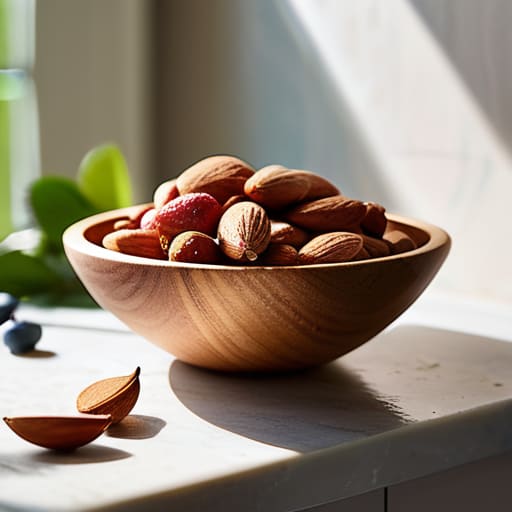
- Keep high-protein snacks on hand. Most people reach for sugar because they’re actually just hungry and looking for quick energy. I always keep a bag of almonds or some hard-boiled eggs ready. If you stabilize your blood sugar with actual protein and fats, you won’t feel that desperate, frantic urge to raid the cookie jar.
The Bottom Line: Cut the Fluff, Keep the Function
Stop trusting the “healthy” marketing on the front of the box; if you don’t check the actual ingredient list for hidden syrups and sugars, you’re just being played.
Prioritize whole foods that don’t require a label to understand—if it comes in a box with twenty ingredients you can’t pronounce, it’s probably a sugar trap.
Focus on smart swaps that actually keep you full, like trading sugary cereals for something with real protein, so you aren’t wasting money on snacks that just leave you crashing an hour later.
Cut the Sugar, Keep Your Sanity
Look, we’ve covered a lot of ground here, from decoding those deceptive nutrition labels to spotting the sneaky syrups hiding in your “healthy” snacks. The goal isn’t to become some kind of dietary perfectionist who never touches a cookie again; that’s unrealistic and, frankly, a waste of mental energy. It’s about making smarter, functional choices so you aren’t constantly fighting off energy crashes or wasting money on processed junk that leaves you feeling like garbage. Focus on the swaps that actually stick—like choosing whole foods over anything with a chemical-sounding ingredient list—and stop letting marketing gimmicks dictate what ends up in your pantry.
At the end of the day, this isn’t about following some aesthetic wellness trend you saw on a curated feed. It’s about taking control of your own systems so you have the energy to actually live your life. If you can manage a server or build a custom keyboard, you can definitely manage what goes on your plate. Don’t aim for perfection; just aim for better. Start with one small, practical change this week, and if it works for your budget and your body, keep it. If not, tweak it and move on. Keep it functional, keep it simple, and just keep moving.
Frequently Asked Questions
How do I deal with the massive sugar crashes when I first start cutting it out?
Look, the crash is real and it sucks. Your brain is basically throwing a tantrum because its easy fuel source is gone. Don’t try to power through on caffeine alone—that just spikes your cortisol and makes the jitters worse. Focus on steady energy: eat more fats and proteins. Think eggs, avocado, or even just some nuts. It’s about stabilizing your blood sugar so you aren’t oscillating between “wired” and “dead inside.”
Are there any cheap, low-sugar snack alternatives that don't taste like cardboard?
Look, I get it. Most “healthy” snacks taste like literal cardboard, and I don’t have the budget to blow on overpriced keto treats. Skip the fancy brands. Grab some Greek yogurt and toss in some frozen berries—it’s cheap, filling, and actually tastes like real food. Or, just roast some chickpeas with whatever spices you have in the pantry. They’re crunchy, savory, and cost pennies compared to those processed snack bags. Focus on real ingredients.
How can I tell if "natural" sweeteners like honey or agave are actually better for me or just another trap?
Look, don’t let the “natural” label fool you into thinking it’s a free pass. Whether it’s honey, agave, or maple syrup, your body still processes them as sugar. Agave is actually a massive trap because it’s loaded with fructose, which is brutal on your liver. If you’re trying to cut back, treat them like the treats they are. Use them sparingly for flavor, but don’t start dumping them into everything just because they came from a plant.
What are some quick, functional meal prep ideas that don't rely on sugary sauces or dressings?
Look, if you’re tired of those “healthy” bottled dressings that are basically liquid corn syrup, stop buying them. Instead, prep a big batch of roasted veggies and a protein like chicken or chickpeas. For flavor, go for high-impact, low-sugar basics: lemon juice, olive oil, garlic powder, or even a bit of tahini. It takes five minutes, costs pennies, and you aren’t tricking your brain into a sugar crash mid-afternoon. Keep it functional.