I used to stare at those glossy, hyper-curated cooking blogs that require a three-page backstory about a Tuscan summer just to tell you how to boil pasta, and honestly, it drove me insane. Most of that stuff is just performative nonsense designed to make you feel like you need a $500 copper pan and a pantry full of exotic spices just to survive Tuesday night. I grew up in a tiny apartment where “gourmet” meant making something edible out of a half-empty jar of salsa and some wilted spinach, so I learned early on that knowing how to cook without a recipe isn’t about being a chef; it’s about resourcefulness.
I’m not going to give you a list of “life-changing” culinary secrets that require a trip to a specialty grocery store. Instead, I’m going to show you the actual logic behind flavor profiles and how to use what you already have in your cabinets to make a decent meal. We’re focusing on the functional mechanics of food—salt, fat, acid, and heat—so you can stop stressing over instructions and start actually eating.
Mastering the Logic of Pantry Staple Cooking
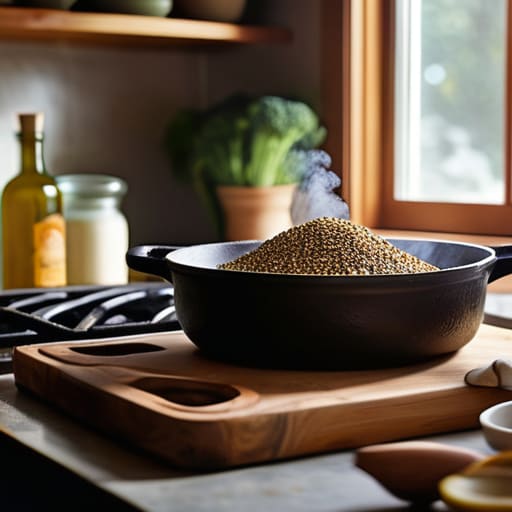
Look, you don’t need a $50 cookbook to make a decent meal; you just need to stop treating your pantry like a graveyard of forgotten cans. Most of what I eat comes from the same five or six basic items I keep on hand because they’re cheap and they actually last. The trick to pantry staple cooking isn’t about following a specific list; it’s about understanding cooking ratios. If you know that a standard grain-to-liquid ratio works for rice or quinoa, you’ve already won half the battle. Once you grasp those fundamental building blocks, you stop panicking when you realize you’re out of a specific brand of pasta and start seeing possibilities instead of failures.
The real magic happens when you start focusing on acid and fat balance in cooking. This is the “logic” part that people miss. If your dish tastes flat or heavy, don’t just dump more salt in there—that’s how you end up with a sodium bomb. Instead, hit it with a squeeze of lemon or a splash of vinegar to brighten it up. If it’s too sharp, add a bit of oil or butter to mellow it out. It’s all about tuning the flavors until they actually make sense to your palate.
The Secret to Understanding Cooking Ratios
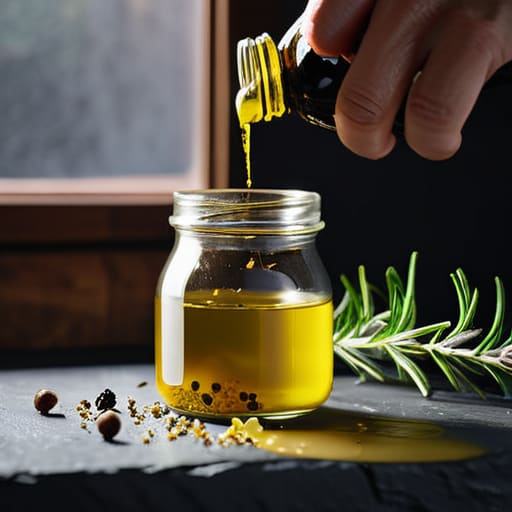
Look, stop trying to memorize a thousand different recipes. It’s a waste of mental bandwidth. If you want to actually get good, you need to focus on understanding cooking ratios. Think of it like a system architecture; once you know the base framework, you can swap out the components without the whole thing crashing. Whether you’re making a vinaigrette, a creamy pasta sauce, or a basic roux, there is a mathematical logic underneath it all. If you know that a standard dressing is three parts oil to one part acid, you don’t need a measuring spoon—you just need a jar and some intuition.
Once you nail those proportions, you can start playing with flavor balancing techniques to make the dish actually taste like something. If your sauce feels “heavy” or flat, it’s probably missing acid. If it’s too sharp, you need fat. It’s not magic; it’s just troubleshooting. I always tell myself: if it’s too salty, add fat or starch; if it’s too bland, add acid or heat. Stop looking for a “perfect” recipe and start looking at the structural balance of what’s in your pan. That’s how you stop being a follower and start actually cooking.
5 Ways to Stop Relying on Instructions and Start Using Your Senses
- Trust your nose and your eyes, not a timer. If the garlic smells like it’s about to turn bitter or the onions look translucent and soft, it’s done. A recipe might tell you “cook for 5 minutes,” but your kitchen environment—humidity, stove heat, pan material—is going to change that every single time.
- Build layers of flavor instead of dumping everything in at once. Start with your aromatics (onions, garlic, ginger) in fat, then add your heavy hitters like spices, then your liquids. If you just throw a bunch of stuff in a pot at once, you get a muddy, one-note mess that tastes like nothing.
- Salt is your best friend, but use it strategically. Don’t just dump a teaspoon in at the end; salt your proteins before they hit the pan and season your veggies as they cook. It builds a foundation of flavor rather than just making the surface taste salty.
- Keep an “acid kit” on hand for when a dish tastes flat. If you’ve tried adding salt and it still feels heavy or boring, you don’t need more salt—you need acid. A squeeze of lime, a splash of vinegar, or even some kimchi juice can brighten the whole thing up instantly.
- Learn the “emergency” fixes. If a sauce is too thin, simmer it down or add a starch; if it’s too salty, add a bit of fat or an acid to balance it out. Knowing how to troubleshoot a mistake is way more useful than memorizing a list of ingredients you’ll never buy again.
The Bottom Line: Stop Overthinking and Start Tasting
Stop treating your kitchen like a lab experiment; cooking is just logic applied to heat, so focus on the basic ratios and let your senses do the actual work.
Build a “survival kit” of pantry staples that work together—if you have a starch, a fat, an acid, and a seasoning, you can make a meal out of literally anything.
If a “hack” takes more time to prep than it saves you in the long run, skip it—just season aggressively, taste as you go, and fix the balance when it’s wrong.
Stop Overthinking and Just Eat
Look, at the end of the day, cooking without a recipe isn’t some high-level culinary sorcery; it’s just about applying a little bit of logic to what you already have. You’ve got the pantry staples down, you understand how ratios work to balance your fats and acids, and you know how to taste as you go. Once you stop treating every meal like a high-stakes chemistry exam and start seeing it as a series of functional adjustments, the stress just evaporates. You don’t need a $50 cookbook or a perfectly organized spice rack to make something edible. You just need to trust your senses and realize that most “mistakes” are actually just opportunities to pivot.
I know it feels intimidating to throw the instructions away, especially when you’re tired after a long shift and just want to eat. But I promise you, the more you lean into this, the more time and money you’re going to claw back from the takeout apps. Stop waiting for the “perfect” moment or the “perfect” ingredient to arrive. Get in your kitchen, grab a pan, and just start making something. Cooking should work for you, not the other way around. Now, go see what’s in your fridge and make it happen.
Frequently Asked Questions
What do I do if I accidentally add too much of a strong spice or seasoning?
Don’t panic and don’t throw the whole pot out. If you overshot the cumin or crushed it with too much chili, you need to dilute or balance it. If it’s a liquid base, add more unsalted stock or even a splash of water to spread the seasoning out. If it’s a sauce, hit it with something fat-heavy like Greek yogurt or coconut milk to coat your tongue. If it’s just too salty, toss in a peeled potato to soak up the excess.
How do I know if a meat or vegetable is actually cooked through if I'm not following specific timing instructions?
Stop obsessing over the timer; it’s a lie anyway. Every stove and every pan is different. For veggies, use your fork—if it slides in with just a little resistance, it’s perfect. If it’s mushy, you waited too long. For meat, don’t guess. Use a cheap digital thermometer if you can, but if not, just press it. If it feels soft like your cheek, it’s raw. If it’s firm like your forehead, it’s done.
Can I really swap out any protein for another, or are there certain rules I need to follow?
Look, you can’t just swap a steak for a piece of tofu and expect the same result, but you can swap based on logic. Think of it like hardware: you wouldn’t put a high-end GPU in a machine with a broken power supply. Match the texture and cook time. If you’re swapping chicken for shrimp, drop the heat and the time, or you’ll end up with rubber. Keep the protein type similar to keep the vibe.
How do I figure out which fats or oils to use when I don't have a specific recipe telling me what to grab?
Stop overthinking the oil bottle. Think about heat and flavor, not “aesthetic” ingredients. If you’re searing something at high heat, grab an oil with a high smoke point like avocado or canola—you don’t want your kitchen smelling like burnt chemicals. If you’re just sautéing veggies or making a dressing, go for butter or extra virgin olive oil for the flavor. Basically: high heat gets neutral oil; low heat gets the tasty stuff.