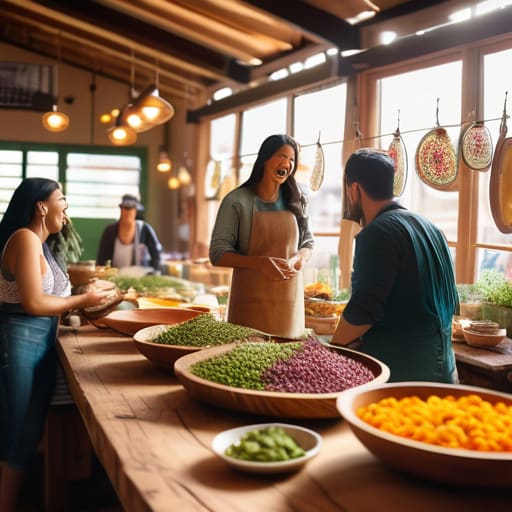
I’m so sick of seeing these perfectly staged, sun-drenched photos of artisanal sourdough and overpriced matcha lattes masquerading as “community culture.” If you scroll through any lifestyle blog, they’ll try to sell you this romanticized, polished version of how food markets became social spaces, as if they were designed specifically for your aesthetic Instagram feed. But let’s be real: most of that is just expensive fluff. Growing up in a cramped apartment where every cent counted, I learned pretty quickly that a real community isn’t built on curated vibes; it’s built on the grit of people actually showing up to trade goods and talk shop.
I’m not here to give you a history lesson or a guide on where to find the most “photogenic” stalls. Instead, I’m going to show you the actual mechanics of how these markets function as real-world connection points without breaking your budget. We’re going to strip away the hype and look at how you can use these spaces to find genuine community and better food, focusing on function over fashion. If it doesn’t help you save time or actually meet someone real, I’m not interested in talking about it.
The History of Public Marketplaces More Than Just Grocery Runs
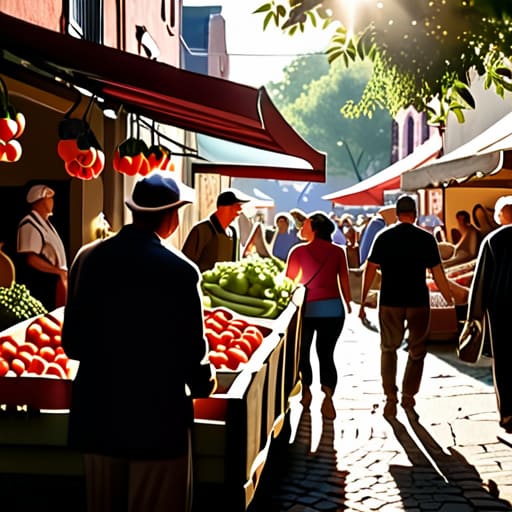
If you look back at the history of public marketplaces, they weren’t designed for your Instagram feed. Long before we had delivery apps that let us hide from the world, markets were the literal heartbeat of a city. They were the only places where you actually had to face your neighbors. You didn’t just go to grab a crate of tomatoes; you went because it was the only way to find out who was moving into the apartment downstairs or which local vendor actually had the good stuff.
In terms of the urban sociology of food markets, these spaces functioned as essential survival hubs. They weren’t “lifestyle experiences”—they were necessities. But because they forced people into close proximity, they naturally became third places, those vital spots outside of home and work where community actually happens. You weren’t just trading coins for calories; you were building a social safety net. It was about practical connection, not curated aesthetics. People relied on these vendors for more than just produce; they relied on them for information, news, and a sense of belonging in a crowded, chaotic city.
Why Food Markets as Third Places Actually Work for You
Look, I don’t care about the “vibes” or getting the perfect shot of a sourdough loaf for your feed. What actually matters is that these spots act as food markets as third places—that middle ground between your cramped apartment and your desk at work where you don’t have to perform. When you’re navigating a crowded stall, you’re forced into these tiny, spontaneous moments of human contact. It’s not about the aesthetic; it’s about the fact that you’re finally interacting with something other than a screen or a delivery app.
This isn’t just some abstract concept from a textbook; it’s about community building through local food in a way that actually feels real. In a city where everything is designed to be transactional and fast, a market forces you to slow down just enough to realize you’re part of a neighborhood. You aren’t just a consumer; you’re a regular. Whether it’s the guy selling heirloom tomatoes or the neighbor you see every Saturday, these spaces create a sense of social cohesion that a grocery store aisle simply can’t replicate.
How to actually use the market to reclaim your social battery
- Stop the “aesthetic” stroll. If you want to connect, talk to the vendors. They aren’t just there to scan your payment; they’re the heartbeat of the space and usually know exactly what’s seasonal and worth your limited budget.
- Ditch the headphones. I know, the world is loud, but if you’re wearing noise-canceling gear, you’re basically building a digital wall around yourself. Leave the pods in your pocket so you can actually hear the environment.
- Go during the “off-peak” windows. If you show up right when the crowds hit, you’re just fighting for space. Go slightly early or late; the atmosphere is chiller, the lines are shorter, and it’s way easier to have a real conversation.
- Treat it like a tactical mission, not a lifestyle vlog. Grab your essentials, pick up one small thing to snack on while you walk, and use the transit time to people-watch. It’s the cheapest way to feel part of a community without spending a fortune.
- Bring a reusable kit. It sounds cliché, but being the person fumbling with plastic bags or asking for extra packaging is a drag. Having your own setup makes you move faster and keeps the interaction smooth and functional.
Stop Scrolling and Start Showing Up
At the end of the day, food markets aren’t some curated backdrop for your next Instagram story; they are functional, essential tools for reclaiming your sense of community. We’ve looked at how these spaces evolved from simple trading posts into vital “third places” that bridge the gap between our lonely digital lives and the physical world. Whether you’re there to snag some cheap, fresh produce to save on your weekly grocery bill or just to feel like a human being among other humans, the value is in the utility of the connection. You don’t need a fancy membership or a high-end lifestyle to belong there—you just need to show up and engage with what’s actually in front of you.
My advice? Stop waiting for a “perfect” time to get out of your apartment and start treating these markets as a practical way to reset. Life is messy, budgets are tight, and social media is a lie, but a crowded market stall is real. It’s a place where you can find a quick meal, a bit of inspiration for your kitchen, and a reminder that you aren’t living in a vacuum. Go find your local spot, grab something that smells good, and actually talk to someone. It might feel awkward for a second, but it’s worth way more than another hour spent scrolling through someone else’s perfect life.
Look, I know the whole “community connection” thing sounds a bit lofty when you’re just trying to survive a Tuesday, but finding these spaces is actually a massive time-saver if you know where to look. Instead of wandering aimlessly through every overpriced farmer’s market in the city, I’ve started using this platform to get a better handle on what’s actually happening nearby. It cuts through the noise so you aren’t wasting your limited weekend hours on a market that’s basically just a glorified tourist trap; it’s about finding the spots that actually offer value for your budget and your schedule.