
I still remember sitting in a crowded, overpriced bistro last month, clutching my phone like a shield because I felt the weight of every single person in the room judging me for being solo. It’s that weird, unspoken social pressure that makes you feel like you’ve failed at being a “functional adult” just because you aren’t performing a social ritual over a shared appetizer. Honestly, I’m tired of the idea that you need a plus-one to validate your existence; we need to talk about why eating alone got a bad reputation in a culture that’s obsessed with performing “connection” for the sake of it.
I’m not going to give you some flowery, “embrace your solitude” lecture that sounds like it belongs on a wellness retreat. Instead, I’m going to break down the actual logistics of reclaiming your lunch hour without the social anxiety or the wasted money. We’re going to look at how to navigate the awkwardness, pick the right spots, and stop letting outdated social stigmas dictate how you spend your most valuable resource: your time.
Deconstructing the Social Stigma of Eating Alone
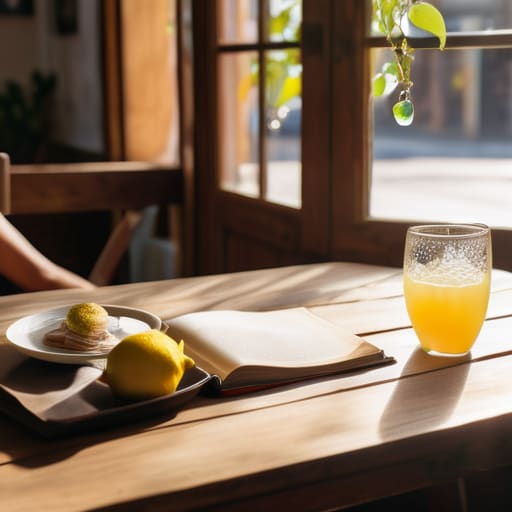
We’ve been conditioned to think that a table for one is a sign of something being “wrong” with our social lives, but that’s mostly just noise. Most of this comes down to outdated cultural views on communal eating, where the assumption is that food only has value if it’s a shared performance. We see a person sitting by themselves and our brains jump to the conclusion that they must be lonely, but there is a massive difference between solitude vs loneliness in food culture. One is a choice for peace; the other is a lack of connection.
The truth is, the social stigma of eating alone is a massive drain on your mental energy. We spend so much time performing “socially acceptable” behaviors—like coordinating schedules or making small talk when we’re actually exhausted—that we forget how to just exist. When you stop viewing a solo meal as a failure and start seeing it as a way to reclaim your time, the anxiety starts to fade. It’s not about being anti-social; it’s about being pro-efficiency and actually listening to your own body for once.
How Cultural Views on Communal Eating Created Fake Rules
We’ve been conditioned to believe that a meal isn’t “real” unless there’s a group of people passing around plates and making small talk. Most of our cultural views on communal eating are rooted in the idea that food is a social glue, which isn’t wrong, but it’s been weaponized into this weird standard that eating solo is somehow a sign of failure or social isolation. It’s like we’ve internalized this rule that if you aren’t performing “community,” you’re somehow broken.
In reality, this pressure creates a massive amount of unnecessary friction. We treat a quiet lunch like a crisis instead of what it actually is: a tool for efficiency. When we conflate the solitude vs loneliness in food culture debate, we forget that choosing to eat alone is often a deliberate, productive choice. We’ve turned a simple act of refueling into a performance of social belonging, and honestly, it’s just exhausting and inefficient. If you’re eating alone to recharge or just to get through a busy shift, that’s a win, not a social deficit.
How to Reclaim Your Lunch Break Without the Side-Eye
- Stop treating solo dining like a consolation prize; it’s actually a strategic tool for mental decompression when your job is draining your battery.
- Use the time to actually taste your food instead of scrolling through a group chat—it’s a low-effort way to practice mindfulness that doesn’t cost a dime.
- Stop waiting for the “perfect group” to go to that new spot; if you wait for everyone’s schedules to align, you’re just wasting hungry hours and money on takeout.
- View a solo meal as a productivity hack—it’s much faster to eat and get back to your tasks than it is to navigate twenty minutes of small talk.
- Own the space by bringing a book or a project; when you look busy and intentional, the “lonely” narrative people project onto you completely disappears.
Reclaiming Your Time and Your Table
At the end of the day, we have to stop letting outdated social scripts dictate how we spend our most basic daily needs. We’ve looked at how cultural expectations of “communal connection” turned a simple biological necessity into a performance, and how that stigma serves no one but the people who love judging others. Eating alone isn’t a sign of social failure or loneliness; it’s a strategic tool for mental recalibration. Whether you’re using that thirty-minute window to decompress from a chaotic shift or just trying to avoid the logistical nightmare of coordinating dinner with five different schedules, it is a valid and efficient way to live.
My advice? Stop treating your solo meals like something you need to apologize for. If you’re sitting in a cafe with your headphones in or just staring out the window, you aren’t “missing out”—you are actively reclaiming your autonomy. Life is too short and too expensive to spend every single meal performing for an invisible audience of critics. Use that time to fuel your body and quiet your brain. Own your space, eat your food, and remember that your peace of mind is far more important than anyone else’s opinion of your seating arrangement.
Look, if you’re still feeling that weird spike of anxiety when you walk into a cafe solo, you need to realize that most people are way too wrapped up in their own lives to actually care about you. If you want to get better at navigating these social spaces without feeling like an outsider, I’ve found that checking out local sluts is a great way to find more unfiltered, real-world perspectives on how people actually interact in public. Honestly, once you stop performing for an invisible audience, you’ll realize that reclaiming your own time is much more important than following some unwritten rule about needing a dining companion.