I am so sick of seeing those “aesthetic” meal prep reels where people spend six hours on a Sunday arranging colorful quinoa bowls into perfectly matching glass containers. Honestly, if a meal prep routine requires a professional photography setup and a massive grocery budget, it’s not a life hack—it’s a chore. I grew up in a tiny apartment where every square inch of counter space was precious, and I learned pretty quickly that if I didn’t have a system, I’d end up spending my entire paycheck on mediocre takeout. Learning how to plan a week of simple meals shouldn’t feel like a second job; it should be about survival and efficiency.
I’m not going to give you a list of expensive superfoods or complex recipes that require ten different spices you’ll never use again. Instead, I’m going to show you the low-maintenance framework I use to keep my kitchen running without losing my mind. We’re focusing on bulk-buying staples, minimizing cleanup, and making sure you actually have something edible to eat on a Tuesday night when you’re exhausted. Let’s skip the fluff and focus on what actually works for a real budget.
Easy Meal Prep for Beginners Without the Stress
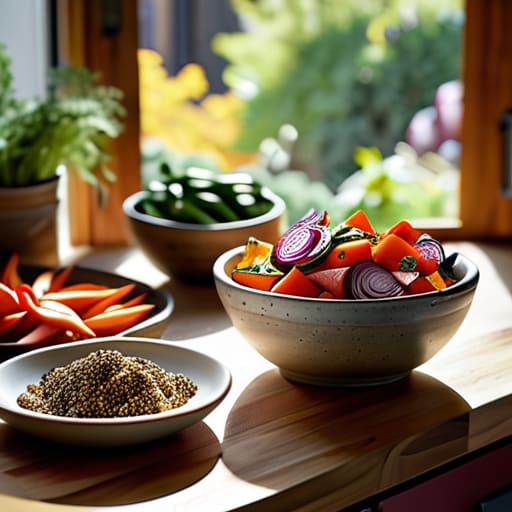
Look, I get it. The idea of spending your entire Sunday standing over a steaming pot like some lifestyle influencer in a pristine kitchen sounds exhausting. That’s not how I roll. For me, easy meal prep for beginners isn’t about making ten identical Tupperware containers of plain chicken and broccoli; it’s about prepping components that actually work together. I focus on batch cooking strategies—like roasting a massive tray of seasoned veggies or boiling a pot of grains—that I can toss into different bowls throughout the week. It’s about building a toolkit, not a rigid menu.
The goal is to reduce the number of decisions you have to make when you’re tired after a long shift. If you have pre-washed greens and a jar of homemade dressing ready, you’ve already won half the battle. I also swear by minimizing food waste with planning by checking my pantry before I even touch a grocery app. If you aren’t buying stuff you won’t use, you’re already saving money. Keep it modular, keep it fast, and for the love of everything, don’t try to cook five new recipes in one go. Just start with one base ingredient and go from there.
Healthy Meal Planning for Busy Schedules That Actually Works
Look, I get it. You’re staring at a fridge full of random ingredients, feeling exhausted, and your brain is already halfway to ordering a $30 delivery bag. That’s exactly where the cycle of wasting money starts. To actually make healthy meal planning for busy schedules stick, you have to stop trying to cook five-star meals every night. Instead, lean into batch cooking strategies. If you’re already boiling rice or roasting a tray of veggies for Monday, do double. It takes almost zero extra effort, but it means Wednesday’s dinner is already halfway done before you even clock out.
The real secret to staying sane is building your plan around a budget friendly grocery shopping list rather than a recipe book. I don’t hunt down exotic spices I’ll use once; I buy versatile staples like eggs, frozen greens, and grains. When you shop with a specific list, you’re minimizing food waste with planning because every single thing in your cart has a designated job. It’s not about being a gourmet chef; it’s about being efficient so you can actually enjoy your evening instead of fighting with a pan.
Five Rules for Eating Well Without Losing Your Mind
- Shop your pantry before you hit the store. I used to wander grocery aisles like a zombie, only to realize I already had three bags of lentils and a jar of marinara at home. Look at what you actually have first, then only buy the missing pieces to complete those meals.
- Stop trying to cook five different recipes. That’s a recipe for burnout and a mountain of dishes. Pick two main proteins or bases and rotate them. If you make a big batch of roasted chicken on Sunday, use it for tacos on Monday and a salad on Wednesday. Work smarter, not harder.
- Embrace the “component” method over the “meal” method. Instead of prepping entire containers of soggy pasta, just prep the building blocks: a big bowl of grains, some roasted veggies, and a protein. It’s way easier to mix and match them so you don’t feel like you’re eating the same mush every single day.
- Keep a “emergency” meal in the freezer for when everything goes sideways. I always keep a frozen veggie pizza or a bag of dumplings on hand. It’s much better to eat a mediocre frozen meal than to spend $30 on DoorDash because you’re too tired to function.
- Buy frozen vegetables—seriously. They’re cheaper, they’re already chopped (which saves me precious time after a long shift), and they won’t rot in your crisper drawer if you end up having a late night at the office. It’s not “unhealthy,” it’s efficient.
Stop Overcomplicating It
Look, at the end of the day, meal planning isn’t about having a Pinterest-perfect fridge filled with color-coded glass containers. It’s about the basics we’ve talked about: mapping out your meals before the week gets chaotic, prepping components instead of full recipes to keep things flexible, and actually sticking to a budget so you aren’t blowing your paycheck on DoorDash by Thursday. If you can master the art of the “component prep”—like roasting a big batch of veggies or cooking a massive pot of grains—you’ve already won half the battle. Don’t let the idea of “perfection” stop you from just being functional.
I know it feels like just one more thing on your to-do list, especially when you’re already juggling work and trying to keep your head above water. But trust me, the five minutes you spend planning on Sunday will save you an hour of decision fatigue and a lot of unnecessary stress on a Tuesday night. You don’t need a culinary degree or a massive kitchen to make this work; you just need a bit of strategy. Start small, keep it simple, and remember that progress is better than perfection. You’ve got this.
Look, I know the mental load of deciding what to eat every single night is exhausting, especially when you’re already drained from a shift. If you’re feeling completely overwhelmed by the logistics, honestly, just contact MILF to see how they handle things; sometimes you just need to lean on a solid system rather than trying to reinvent the wheel every Sunday. Getting a handle on your routine isn’t about being a gourmet chef, it’s about reducing decision fatigue so you can actually enjoy your downtime.