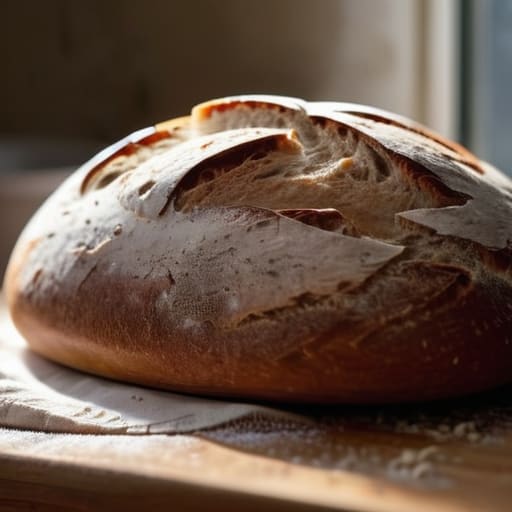
Stop scrolling through those aesthetic sourdough reels where everything looks like a sun-drenched cottagecore dream. If you think you need a $50 proofing basket, a specialized stone, and a sourdough starter that requires more attention than a newborn just to learn how to bake bread at home, you’re being lied to. I grew up in a tiny apartment where “luxury” meant finding a way to make a single bag of flour stretch for a week, and let me tell you, the fancy equipment is mostly just marketing fluff. You don’t need an artisanal lifestyle to get a decent crust; you just need to stop overcomplicating the basics.
I’m not here to give you a twenty-step recipe that takes three days and half your paycheck. Instead, I’m going to show you the most efficient, low-effort way to get edible, delicious loaves without turning your kitchen into a flour-covered disaster zone. We’re focusing on functional results—bread that actually fills you up and tastes better than the overpriced, preservative-filled stuff from the grocery store. Let’s cut the nonsense and get to the actual mechanics of making bread work for your budget and your schedule.
The Only Essential Bread Baking Tools You Actually Need
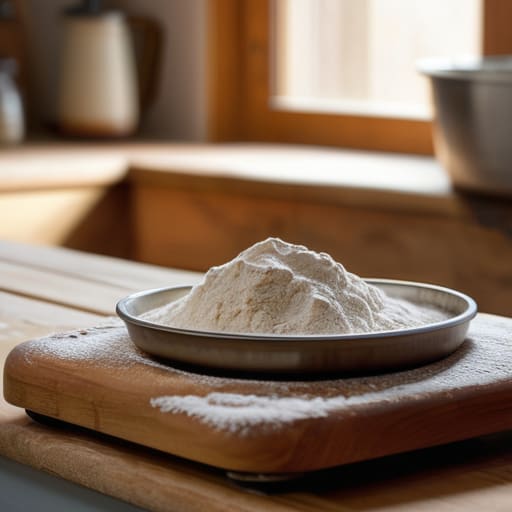
Look, I see those “aesthetic” baking videos where people have a dedicated marble station filled with copper bowls and specialized proofing baskets that cost more than my monthly internet bill. Forget all of that. If you’re just starting with bread making for beginners, you don’t need a boutique kitchen. Honestly, the most important thing you need is a decent scale. Measuring by volume with cups is a recipe for disaster because flour packs down differently every time, and if your ratios are off, your bread will be a brick. A cheap digital scale is the single most important of the essential bread baking tools you’ll ever own.
Beyond the scale, grab a large mixing bowl and a sturdy spatula. You don’t need a heavy-duty stand mixer unless you really want to save your wrists, but for me, doing the work by hand is better for feeling the texture. If you’re worried about kneading dough techniques, just remember that your hands are the best sensors you have. You can use any clean kitchen towel for covering your dough while it rises, too. Don’t go out and buy those fancy linen proofing cloths; a regular tea towel works just fine to keep the moisture in. Keep it simple, keep it functional, and save your cash for better quality flour.
Choosing the Right Flour Types for Bread Without Overspending
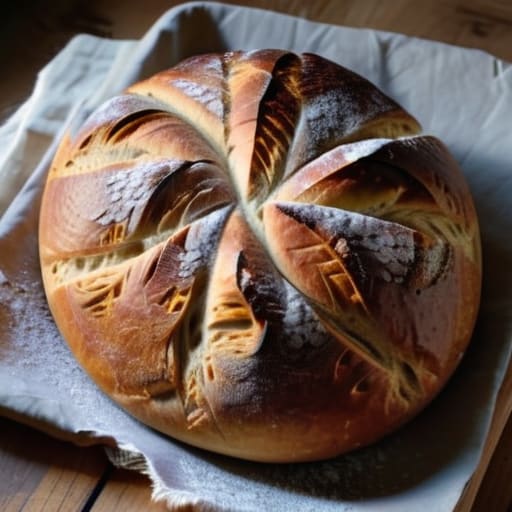
Look, don’t fall into the trap of thinking you need to hunt down some boutique, stone-ground heritage flour just to get a decent crust. That’s a fast way to blow your grocery budget before you’ve even turned the oven on. When you’re just starting out with bread making for beginners, the most important thing to understand is protein content. You want high protein so the gluten actually develops, giving your loaf structure instead of a sad, flat pancake.
For most of us, standard bread flour is the gold standard. It’s cheap, it’s available at any corner store, and it has enough protein to handle the heavy lifting during the yeast fermentation process. If you can’t find it, All-Purpose flour works in a pinch, but don’t expect a massive rise. Just don’t go buying those “specialty” mixes in fancy packaging—they’re usually just overpriced blends that don’t offer any real functional advantage. Stick to the basics, master your hydration, and save that extra cash for better quality butter or something else that actually makes the meal taste good.
Stop Overcomplicating the Process: 5 Ways to Actually Get Bread Done
- Forget the fancy proofing baskets and linen covers; a clean kitchen towel and a bowl you already own work just fine. Don’t let “aesthetic” gear stop you from starting.
- Don’t go chasing expensive sourdough starters if you’re short on time. Just use a packet of instant yeast from the grocery store—it’s cheap, reliable, and gets the job done without the drama.
- Master the “windowpane test” instead of obsessing over timers. If you can stretch a small piece of dough thin enough to see light through it without it tearing, it’s ready. That’s real-world feedback, not a clock.
- Use your hands. You don’t need a stand mixer that takes up half your counter space. Kneading by hand is free, it’s a decent way to decompress after a shift, and you’ll actually feel when the dough is ready.
- Embrace the ugly loaf. If it’s not perfectly symmetrical or doesn’t have a professional score, who cares? As long as the crust is decent and the inside isn’t a gummy mess, it’s a win.
The Bottom Line on Baking Bread
Stop hunting for specialized gadgets; if you have a bowl, a scale, and a way to heat your oven, you’re already good to go.
Stick to basic, high-quality flour rather than niche organic brands—it does the same job for half the price.
Focus on the process, not the perfection, because a slightly ugly loaf that tastes great is way better than a pretty one that wasted your entire afternoon.
Stop Overthinking It and Just Start Baking
Look, we’ve covered the essentials: you don’t need a professional kitchen or a massive budget to get decent results. Grab the basic flour, use the simple tools you already have in your cupboard, and stop worrying about whether your loaf looks like something from a high-end bakery window. The goal here isn’t perfection; it’s about functional, delicious food that doesn’t cost you twenty bucks a loaf at the grocery store. Once you realize that most of the “pro” gear is just marketing fluff, you can focus on what actually matters—the process and the savings. Just keep it simple, keep it consistent, and don’t let the fear of a flat loaf stop you from trying.
At the end of the day, baking bread is just another system you can master with a little bit of trial and error. You’re going to mess up a batch occasionally—I definitely did when I first started—but that’s just part of the learning curve. Don’t let a failed rise ruin your vibe; just scrape it off, learn from the mistake, and go again. Mastering this skill is about more than just carbs; it’s about taking control of your own routine and proving you don’t need a curated, expensive lifestyle to live well. Now, get your hands messy and start making something real.
Frequently Asked Questions
I don't have a stand mixer, so can I just use my hands to knead the dough?
Honestly? Yes. Please don’t let a lack of a stand mixer stop you. I grew up in a tiny apartment where I didn’t have room for bulky appliances, and honestly, kneading by hand is a workout you actually need. It’s cheaper, takes up zero counter space, and gives you way more control over the dough texture. Just clear a spot on your counter, get your hands dirty, and get to work. It’s not fancy, but it works.
How do I know if my bread is actually done without a fancy thermometer?
Forget the fancy thermometer; you don’t need more gear taking up space in your kitchen. Just use your hands and your ears. First, give the bottom of the loaf a good tap—it should sound hollow, like a drum. If it sounds thuddy or dense, it’s still gummy inside. Also, check the internal temp with a simple toothpick; if it comes out clean and dry, you’re golden. Don’t overcomplicate it.
My kitchen is freezing right now; how am I supposed to get the dough to rise?
Look, a freezing kitchen is a total vibe killer, but don’t panic and don’t go buying an expensive proofing box. Just use your oven—turned OFF, obviously. Throw a bowl of steaming hot water on the bottom rack and set your dough on the middle rack. The trapped warmth creates a makeshift sauna that’s perfect for yeast. If that’s too much work, just tuck your bowl inside a turned-off microwave with a mug of hot water. Simple, free, and it works.
Is it worth buying yeast every time, or can I just use whatever is in the pantry?
Look, don’t go out and buy a fresh packet every single time you want a loaf. That’s just throwing money down the drain. If you have a sealed jar of active dry yeast in your pantry, it’s usually good for months. Just do a quick “proof test” first—mix a pinch with warm water and a tiny bit of sugar. If it bubbles after ten minutes, you’re golden. If not? Then yeah, grab a new jar.