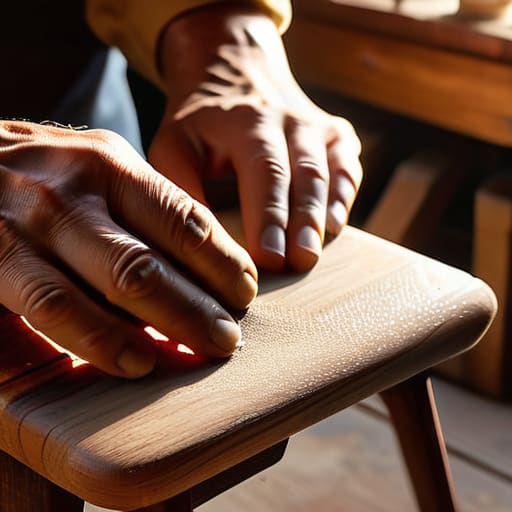
I’m so sick of seeing those “aesthetic” home renovation videos where people spend three hundred dollars on specialized sanding kits and designer stains just to fix a scratched coffee table. Honestly, it’s a scam. Most of the time, you don’t need a complete overhaul; you just need to know how to repair furniture instead of replacing it without draining your bank account. I grew up in a tiny apartment where every single piece of furniture had to earn its keep, and if a chair leg got wobbly, we didn’t toss it—we grabbed a screwdriver and got to work.
I’m not here to give you a list of expensive tools you’ll only use once or suggest “projects” that take up your entire weekend. Instead, I’m going to show you the actual shortcuts—the stuff that works when you’re low on cash and short on time. We’re talking about the quick, dirty, and highly effective methods to stabilize, patch, and refresh your gear so it stays functional. If a fix doesn’t save you money or effort, I’m not going to tell you to do it. Let’s get into it.
Fixing Scratched Wood Surfaces Without Buying New
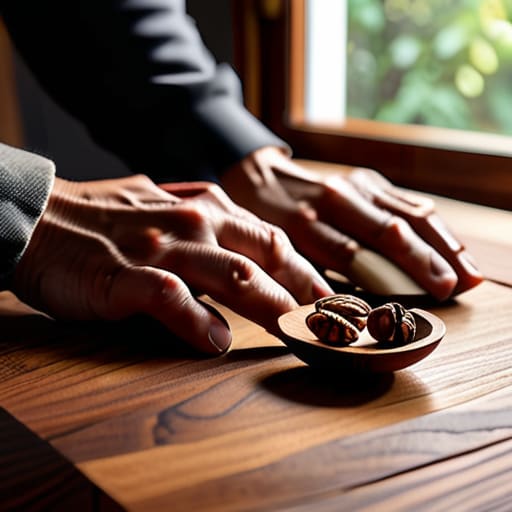
Look, I’ve seen so many people toss out a perfectly good coffee table just because it has some surface scuffs from a move or a stray key. Don’t do that. Most of the time, fixing scratched wood surfaces is a ten-minute job that costs basically nothing. If we’re talking about light, superficial scratches, grab a walnut from your kitchen. Rub the meat of the nut directly into the scratch; the natural oils work like a magic eraser to hide the damage. If the scratch is deeper, skip the expensive professional kits and just grab a matching wood stain marker or even some colored wax from a craft store. It’s one of those cost-effective furniture DIY wins that actually works without needing a degree in carpentry.
For the deeper gouges that actually bother you, you’ll need to get a little more hands-on. I’m talking about a tiny bit of wood filler. Sand down the area around the dent, pack the filler in, let it dry, and sand it flush. It’s not about making it look like a museum piece; it’s about making it look decent so you can keep using it. This is much better than dumping money into a new piece of particle-board junk that’ll fall apart in two years.
Repairing Broken Chair Joints for Lasting Functionality
If your favorite chair starts wobbling like it’s about to collapse, don’t just toss it in the curb pile. Most of the time, the wood isn’t actually broken; the glue just gave up. When it comes to repairing broken chair joints, the biggest mistake people make is trying to force a wobbly leg back into place without cleaning it first. If you just slap new glue on top of the old, crusty residue, it’s going to fail again in a week. You need to carefully scrape away the old adhesive until you’re down to the raw wood. It’s a bit of a pain, but it’s the only way to ensure a solid connection.
Once the joints are clean, apply a decent wood glue, reassemble everything, and—this is the part everyone skips—use clamps. You can use heavy books or even some ratchet straps if you don’t own professional clamps. Keeping that pressure consistent while the glue cures is the difference between a permanent fix and a waste of your afternoon. This kind of sustainable furniture maintenance is way more rewarding than spending eighty bucks on a cheap, particle-board replacement that’ll fall apart in six months anyway.
My Go-To Tactics for Keeping Your Stuff Out of the Landfill
- Stop buying specialized wood filler for every little ding; a mix of sawdust from your project and some decent wood glue works just as well and costs basically nothing.
- If you’ve got loose screws in a cabinet or a desk, don’t just tighten them and hope for the best—jam a couple of toothpicks dipped in glue into the hole first to give the screw something real to bite into.
- Before you go out and buy a whole new set of tools, check your junk drawer; half the time, a bit of sandpaper and some old wax from a candle is all you need to buff out a dull finish.
- Don’t let a stripped screw ruin a piece of furniture; use a rubber band between the screwdriver and the screw head to get that extra grip and save yourself the headache of a total replacement.
- If a veneer is peeling up, don’t just ignore it until it falls off; grab a small clamp and some wood glue immediately to press it back down before the damage becomes permanent.
Stop the Cycle of Buying Junk
Look, we’ve covered a lot here, from smoothing out those annoying surface scratches to actually making sure your chairs don’t collapse the next time you sit down. The point isn’t to turn you into a professional carpenter overnight; it’s about realizing that a little bit of wood glue, some sandpaper, and ten minutes of your time can prevent a massive waste of cash. You don’t need a workshop full of expensive power tools to make a difference. Most of the time, you just need to stop treating your furniture like it’s disposable and start seeing it for what it actually is: functional assets that just need a quick tune-up.
At the end of the day, I’m tired of seeing people scroll through endless “aesthetic” home decor feeds only to replace perfectly good items because of one tiny imperfection. That’s not living; that’s just feeding a cycle of consumption that leaves your bank account empty and your space cluttered with cheap, particle-board trash. When you fix something yourself, you aren’t just saving money—you’re gaining a sense of control over your environment. So, grab that multi-tool, find the glue, and make it work. Your wallet, and your sanity, will thank you.
Look, if you’re dealing with a piece of furniture that’s structurally sound but just looks totally trashed, don’t go running to a big-box retailer to buy some overpriced, particle-board replacement. Most of the time, you just need the right specialized supplies to bridge the gap between “junk” and “functional.” I usually spend my time scouring local marketplaces or niche sites to find exactly what I need without the markup, and honestly, checking out transensex hamburg has been a lifesaver for finding specific bits and pieces that actually last. It’s all about having the right tools for the job so you aren’t wasting your Saturday fighting with subpar materials that are just going to break again in six months.