
Stop scrolling through those aesthetic TikToks where someone spends three days fermenting dough in a designer kitchen just to show off a perfect crust. Honestly, most of those “pro” tutorials are a total waste of time if you’re actually trying to eat dinner. I learned the hard way growing up in a tiny apartment with a temperamental oven that you don’t need a wood-fired stone or imported flour from Italy to get a decent meal. If you’re looking for how to make homemade pizza that doesn’t require a culinary degree or a massive grocery budget, you’re in the right place.
I’m not going to give you a list of expensive gadgets you’ll never use. Instead, I’m going to show you how to hack your way to a solid crust using what you already have in your pantry. We’re talking about the most efficient, zero-fluff methods for getting toppings on a base and getting it into the oven before you pass out from hunger. This is about making food that actually works for your life, not making a mess for the sake of a photo.
Recipe Details
Ingredients
- 2 cups All-purpose flour
- 1 teaspoon Active dry yeast
- 1 teaspoon Sugar
- 3/4 cup Warm water
- 1/2 cup Tomato sauce
- 2 cups Shredded mozzarella cheese
- 1/4 cup Sliced pepperoni
Recipe Instructions
Step 1
First, grab a big bowl and dump in your flour, yeast, salt, and some warm water. Don’t worry about getting the temperature perfect—if it’s too hot, you’ll kill the yeast, and if it’s too cold, nothing happens. Just aim for lukewarm and start mixing it with a spoon until it stops being a sticky mess.
Step 2
Once it’s a rough dough, dump it onto a clean counter and start kneading. This is the part where people usually give up because it’s a workout, but you just need to push, fold, and turn until the dough feels smooth and elastic. If you’re in a rush, even ten minutes of solid effort will make a massive difference in the texture.
Step 3
Put that dough back in the bowl, cover it with a damp kitchen towel, and let it sit somewhere warm for about an hour. I usually leave mine near my herb garden because the light keeps the area a bit warmer. You’re looking for it to double in size, so don’t go poking it every five minutes; just let it do its thing.
Step 4
Crank your oven as high as it will go. Most home ovens max out around 500°F, and that’s exactly what you want. While that’s heating up, grab a baking sheet or a pizza stone and get it inside. You want that surface to be scorching hot before the dough even touches it, otherwise, you’ll end up with soggy bread instead of a crispy crust.
Step 5
Punch the air out of your dough, stretch it out onto some parchment paper (it makes cleanup way easier), and slap on your sauce and cheese. Don’t overdo the toppings—if you pile it too high, the middle won’t cook and you’ll be stuck eating a wet mess. Slide it into the oven and bake for about 10-12 minutes until the edges are golden brown and the cheese is bubbling.
Mastering Kneading Pizza Dough Techniques for Maximum Efficiency
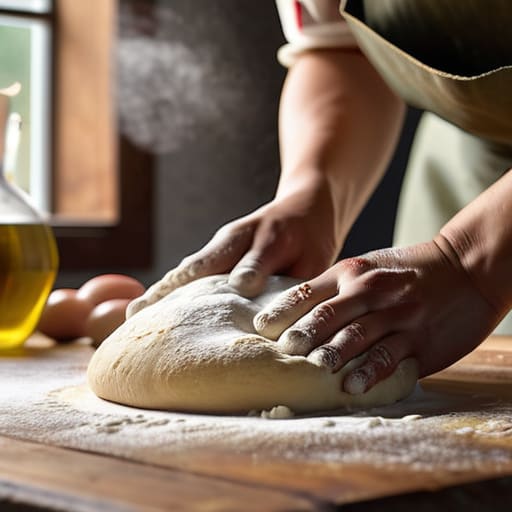
Look, I get it. You’ve got the ingredients, you’ve got the recipe, but now you’re staring at a sticky pile of flour and wondering if you’re doing it wrong. Don’t overthink it. When it comes to kneading pizza dough techniques, the goal isn’t to look like a professional chef in a cooking show; it’s about developing enough gluten so your dough doesn’t turn into a sad, flat cracker. If you’re short on time, don’t stress about the perfect rhythmic fold. Just push, fold, and turn until it stops sticking to your hands like crazy. If you’re feeling extra lazy, a stand mixer works, but honestly, there’s something satisfying about doing the work yourself—it’s like debugging code, you just keep at it until the structure is solid.
Once that dough is smooth, you need to respect the yeast dough fermentation process. If you try to rush this by putting it in a warm spot to “speed things up,” you’ll likely end up with a dough that tastes like straight-up beer. If you have the patience, let it sit in the fridge overnight. It’s a total game-changer for flavor and makes the dough way easier to handle. While that’s happening, you can prep your classic tomato pizza sauce or just clean up your workspace. Efficiency is everything—don’t let the prep work turn into a mountain of dishes you’ll have to deal with later.
The Science of Yeast Dough Fermentation Process Without the Fuss
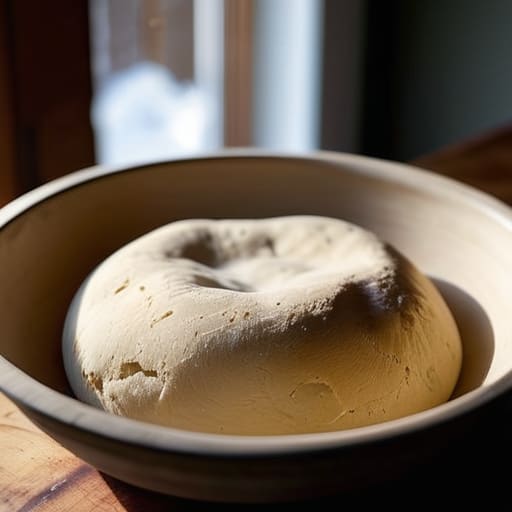
Look, I get it. You see these “artisan” bakers online talking about 72-hour cold ferments like it’s some sacred ritual, and it feels totally inaccessible when you just want dinner. But here’s the reality: the yeast dough fermentation process doesn’t need to be a science experiment to work. Basically, you’re just giving those tiny organisms enough time to eat the sugars in the flour and pump out gas. If you’re in a rush, a warm spot in your kitchen will speed things up, but if you have the headspace, shoving that dough in the fridge overnight is a total game-changer for flavor. It’s not about being fancy; it’s about letting chemistry do the heavy lifting so you don’t have to.
Don’t stress about getting a professional-grade setup, either. You don’t need a thousand-dollar stone to get decent results. If you’re working with a standard home oven, just crank it as high as it goes and use a preheated baking sheet to mimic those best pizza oven temperatures. The goal is a quick, intense heat that sets the structure before the dough dries out. If you want to level up the texture without spending extra cash, try adding a tiny bit of olive oil to the dough—it’s one of my favorite crispy pizza crust tips for when you’re working with basic pantry staples.
5 Ways to Stop Overcomplicating Your Pizza Night
- Stop buying pre-made dough. It’s overpriced and usually tastes like cardboard. Just keep a bag of flour and a jar of yeast in your pantry; you can whip up a batch in ten minutes and save enough money to actually buy decent toppings.
- Don’t go overboard with the sauce. I see people drowning their dough in tomato sauce, and it just turns into a soggy, structural nightmare. A thin layer is all you need to keep the crust crisp.
- Use your oven’s highest setting. You aren’t running a professional wood-fired pizzeria, but you can mimic that heat by cranking your oven to its max and letting it preheat for at least 30 minutes. Heat is your best friend here.
- Skip the fancy cheese blends. You don’t need a $15 wedge of aged buffalo mozzarella. A standard block of low-moisture mozzarella works better because it actually melts without turning your pizza into a puddle of water.
- Prep your toppings before you even touch the dough. There is nothing worse than having a perfectly risen crust sitting on the counter getting gummy while you’re frantically slicing peppers. Get your mise en place done so you can bake fast.
The Bottom Line: Don't Overcomplicate It
Stop obsessing over expensive, specialty flour; your basic all-purpose stuff works fine if you just let the dough rest.
Don’t waste an hour kneading until your arms ache—if the dough is smooth and elastic, move on to the next thing.
Forget the “perfect” fermentation timing; if the dough looks bubbly and smells slightly tangy, it’s ready to bake.
Stop Overthinking the Crust
Look, we’ve covered the heavy lifting: how to knead without losing your mind, why fermentation actually matters, and how to skip the expensive specialty flour without ruining the vibe. At the end of the day, making pizza isn’t about achieving some Michelin-star aesthetic for your Instagram feed; it’s about mastering the basics so you can feed yourself well on a budget. You don’t need a wood-fired oven or a degree in culinary arts to get a solid result. Just focus on the functional essentials—the yeast, the dough structure, and the heat—and let the rest of the noise fade away. If the crust is a little uneven or the cheese melts weirdly, who cares? It still tastes better than a soggy cardboard box from a delivery driver.
My advice? Stop waiting for the “perfect” moment or the “perfect” set of tools to start cooking. I spent years thinking I couldn’t do anything decent in my kitchen because I didn’t have the fancy gadgets, but I was just wasting time. Real life is messy, and your kitchen is going to be covered in flour, but that’s just part of the process. Grab whatever ingredients you have in the pantry right now and just start making it. Once you realize that you don’t need a curated lifestyle to enjoy a killer homemade meal, everything gets a whole lot easier. Now, go get that oven preheated.
Frequently Asked Questions
My dough isn't rising at all, did I kill the yeast or is my kitchen just too cold?
First, check your water temperature. If you used water straight from the tap and it was steaming hot, you definitely nuked the yeast. It needs to be lukewarm, not boiling. If the water was fine, your kitchen is likely just too cold. Yeast is picky; it needs warmth to wake up. Shove your bowl into the oven with just the light turned on. It’s a tiny, makeshift sauna that’ll get things moving.
Can I just use a regular rolling pin, or am I actually going to ruin the air bubbles in the crust?
Look, if you’re aiming for a sourdough-style crust with those massive, airy bubbles, a rolling pin is going to crush them. It’s basically deflating all the hard work your yeast just did. But honestly? If you’re just trying to get dinner on the table without a meltdown, use the rolling pin. It’ll be denser and more like a cracker, but it’ll still taste great and save you ten minutes of hand-stretching frustration.
What’s the quickest way to get a crispy bottom if I don't own a fancy pizza stone?
Look, if you don’t have a $50 pizza stone, don’t sweat it. Just flip a heavy baking sheet upside down and shove it in the oven while it preheats. It acts as a makeshift heat sink. When you slide your pizza onto that hot, inverted metal, it’ll sear the bottom way faster. If you’re really desperate, use a cast-iron skillet—it’s heavy, holds heat like a beast, and gives you that crunch without the extra gear.
Is there a way to make this work if I'm totally out of fresh yeast and don't want to run to the store?
Look, I’ve been there—it’s 8 PM, you’re exhausted, and the store is a trek. If you’re out of yeast, don’t panic. Just pivot to a “no-rise” dough. Use baking powder instead; it won’t give you that airy, fermented crust, but it’ll still be edible and way better than ordering a $30 delivery pizza. It’s basically a flatbread vibe, but it works, it’s fast, and it saves your sanity.