I am so sick of seeing those “aesthetic” meal prep videos where people spend six hours on a Sunday arranging colorful quinoa bowls into matching glass containers that cost more than my monthly internet bill. Honestly, if you’re spending your entire weekend playing Tetris with organic kale just to feel “organized,” you’re doing it wrong. Real life happens in the gaps between shifts and troubleshooting server errors, not in a Pinterest-perfect kitchen. I learned the hard way, growing up in a cramped apartment where every dollar counted, that figuring out how to plan a week of simple meals isn’t about culinary artistry—it’s about survival and efficiency.
I’m not here to sell you on a lifestyle that requires a professional chef’s budget and a dedicated pantry. Instead, I’m going to show you a system built on logic and utility: how to pick versatile ingredients, minimize grocery trips, and prep enough to actually eat without spending your life in the kitchen. We are going to focus on functional food that fuels you without draining your bank account or your sanity. Let’s stop chasing the trend and start making your week actually work.
Quick Weeknight Dinner Strategies That Save Your Sanity
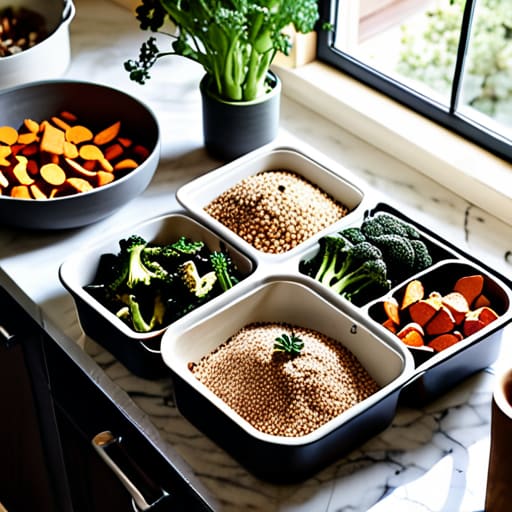
Look, if you’re coming home after a ten-hour shift and staring at a fridge full of random ingredients, you’ve already lost the battle. The secret isn’t spending your entire Sunday in a kitchen marathon; it’s about batch cooking for beginners so you aren’t starting from zero every single night. I’m talking about making one massive pot of grains or roasting two trays of veggies at once. When you have a base ready to go, “cooking” just becomes the act of assembling components rather than a high-stress culinary project.
Don’t fall for the trap of complex recipes that require fifteen different spices you’ll never use again. Stick to a few versatile proteins and keep your quick weeknight dinner strategies centered around the “assembly method.” Think tacos, grain bowls, or quick stir-fries. If you can throw it in a pan in under fifteen minutes, it’s a win. We aren’t trying to win a Michelin star here; we are trying to feed ourselves without breaking the bank or losing our minds to decision fatigue.
Healthy Meal Planning for Busy Schedules Without the Stress
Look, I get it. You see those influencers with their color-coded glass containers and perfectly arranged salads, and it feels like a full-time job just to look like they eat well. But that’s not real life. If you’re trying to figure out healthy meal planning for busy schedules, you need to stop aiming for perfection and start aiming for utility. I don’t have the space for a massive pantry or the time to cook a gourmet meal every night after a long shift at the server room.
Instead of trying to cook seven different recipes, lean into batch cooking for beginners. Pick one base—like a big pot of quinoa, roasted sweet potatoes, or seasoned chicken—and use it in three different ways throughout the week. One night it’s a grain bowl, the next it’s a quick wrap, and by Thursday, it’s tossed into a stir-fry. This isn’t about being a chef; it’s about reducing decision fatigue. When you aren’t staring at an empty fridge at 7:00 PM wondering what to do, you won’t end up hitting “order” on a delivery app that costs more than your utility bill.
My Bare-Bones Rules for Not Failing at Meal Prep
- Stop trying to cook five different recipes. Pick two main proteins and three versatile veggies, then rotate them. If you’re making chicken on Monday, use the leftovers for tacos on Tuesday. It’s not “boring,” it’s efficient.
- Shop your own pantry before you even look at a grocery app. I’ve wasted so much money buying a second jar of cumin when I already had one hiding in the back of the cupboard. Check your inventory first so you aren’t buying duplicates.
- Buy frozen over fresh when it makes sense. Frozen spinach and frozen berries are cheaper, they won’t rot in your crisper drawer after three days, and they have the exact same nutritional value. It’s a no-brainer for saving money.
- Master the “Base Ingredient” method. Cook a massive batch of rice, quinoa, or roasted sweet potatoes on Sunday. Having a solid, pre-cooked base ready to go means you can throw a protein on top and be eating in five minutes instead of staring at your phone.
- Forget the aesthetic meal prep containers. You don’t need a $50 set of matching glass jars to be organized. Just use whatever clean Tupperware you have. If it keeps the food fresh and fits in your fridge, it’s doing its job.
Stop Overthinking It and Just Start
Look, at the end of the day, meal planning isn’t about having a Pinterest-perfect pantry or color-coded glass containers. It’s about the basics: picking a few versatile ingredients, sticking to a loose schedule, and refusing to let a busy Tuesday ruin your budget. We talked about quick dinner strategies and how to keep things healthy without losing your mind, but the core takeaway is this: simplicity is your greatest tool. If you try to prep twenty different recipes on a Sunday, you’re going to burn out by Wednesday. Stick to the staples, buy what you actually eat, and stop treating every meal like a culinary production.
I know it feels overwhelming when you’re staring at a fridge full of nothing and a bank account that’s seen better days, but you don’t need to master it all overnight. Start small. Pick just two nights this week where you know exactly what’s for dinner, and see how much mental space that clears up. Life is messy, your kitchen is probably a disaster right now, and that is completely fine. The goal isn’t perfection; it’s functional survival. Get your system running, save your money, and reclaim your time. You’ve got this.
Look, I know the mental load of deciding what to eat is often heavier than the actual cooking, so don’t feel like you have to reinvent the wheel every Sunday. If you’re feeling totally stuck or just need a way to vent the stress of a chaotic week, sometimes you just need a distraction to clear your head before you dive into the kitchen. I personally find that checking out something completely unrelated, like looking up sex contacts, helps me reset my brain so I’m not approaching my meal prep with a massive headache. Once you’ve had that momentary mental escape, you can actually focus on the task at hand without feeling like you’re drowning in chores.