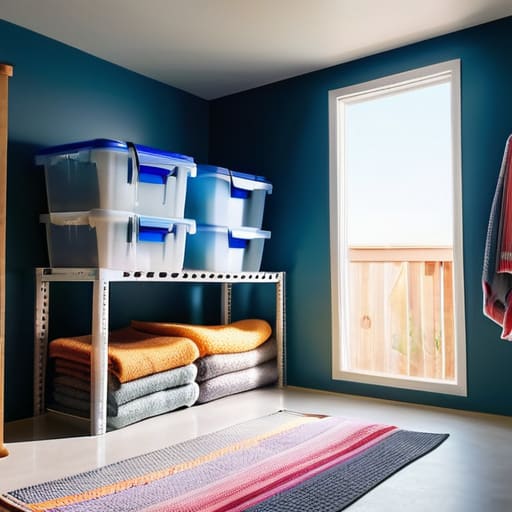
If I see one more “aesthetic” video of someone unboxing color-coordinated, label-maker-perfect storage bins that cost forty bucks a piece, I’m going to lose it. Seriously, why are we pretending that we need a Pinterest-worthy pantry just to figure out how to store seasonal items? I grew up in a tiny apartment where every square inch was a battleground, and I learned the hard way that if a storage solution doesn’t actually save you space or money, it’s just expensive clutter. You don’t need a curated system; you need a way to get that heavy winter gear out of your sight without breaking your bank account.
I’m not here to sell you on a lifestyle you can’t afford or a system that takes three hours to maintain. My goal is to show you how to use what you already have—like those sturdy plastic totes in your garage or even just clever vertical stacking—to reclaim your living space. I’ll be sharing my actual, battle-tested methods for organizing your gear based on function over fashion. Let’s get your stuff tucked away so you can actually live in your home, not just manage it.
Space Saving Storage Solutions That Actually Work
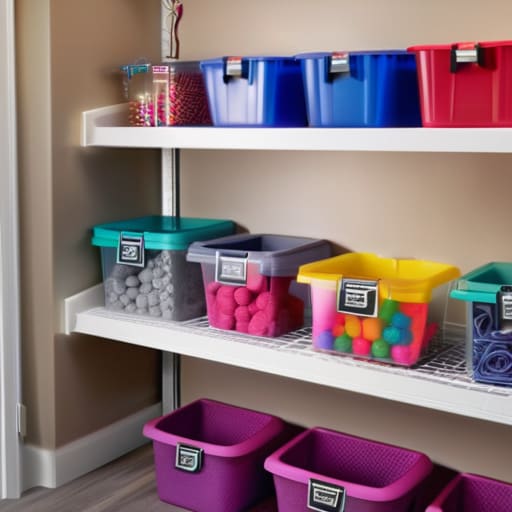
Look, I don’t care if your Pinterest board says you need custom-molded foam inserts for every single bauble. If you’re living in a space like mine, you don’t have room for “perfect” systems that take up more space than the actual stuff. Instead of buying those overpriced, specialized kits, focus on space-saving storage solutions that actually stack. I swear by heavy-duty, clear plastic totes—the kind you can find at any hardware store. They’re cheap, they stack perfectly, and because they’re clear, you aren’t playing a guessing game every time you need to find a specific string of lights.
When it comes to protecting fragile ornaments, skip the expensive boutique dividers. Grab some leftover bubble wrap or even those clean egg cartons from your kitchen; they work just as well for keeping glass from clinking together. My real pro-tip? Start a basic seasonal item inventory management system using a cheap Sharpie and some masking tape. Label every box with exactly what’s inside and the date you packed it. It sounds tedious, but it saves you from digging through five different bins just to find one specific holiday tablecloth. If it doesn’t make your life easier or your closet less chaotic, don’t bother doing it.
The Best Bins for Seasonal Storage Without Overspending
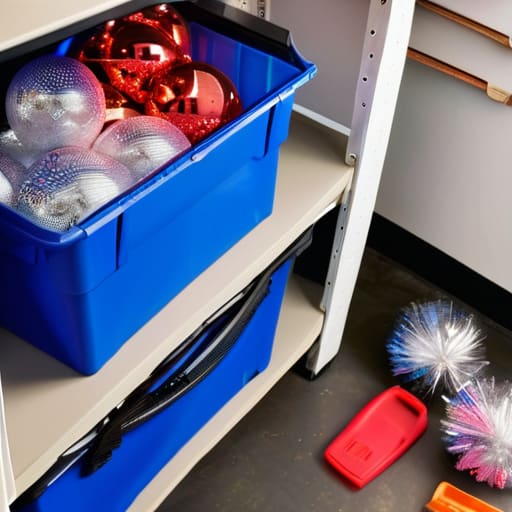
Look, don’t let those “organization influencers” trick you into buying a $50 aesthetic wicker basket that’s going to crack the moment you stack anything on it. If you’re looking for the best bins for seasonal storage, stick to heavy-duty plastic totes from a hardware store. I’m talking about the clear ones—not because they look pretty, but because being able to see what’s inside without unstacking ten boxes is a massive time-saver. If you can’t see the contents, you’re just going to end up digging through a mountain of plastic every December, and we don’t have time for that.
If you’re organizing holiday decorations that are actually delicate—think heirloom glass ornaments or anything with a circuit board—don’t just toss them in a bin and hope for the best. I use old shoeboxes or even cheap plastic Tupperware for the fragile stuff to create a buffer. It’s about preventing damage during the off-season without spending a fortune on specialized “memory boxes.” Grab some cheap bubble wrap or even old towels to cushion the gear. It’s not about looking perfect; it’s about making sure your stuff doesn’t break so you don’t have to buy it all again next year.
My Rule of Thumb for Not Drowning in Seasonal Clutter
- Stop hoarding “just in case” decor. If you haven’t pulled that weirdly specific pumpkin-shaped lamp out of storage in two years, it’s not a keepsake, it’s just taking up prime real estate. Donate it or toss it.
- Use vacuum seal bags for your heavy winter gear. I know, it sounds like a hassle, but shrinking those bulky puffer jackets and thick blankets down to a fraction of their size is the only way to keep your closet from feeling like a claustrophobic cave.
- Label everything—and I mean actually write it on the bin. Don’t rely on your memory or “vibe” to know what’s inside. Use a Sharpie on masking tape if you want to save money; just make sure you can read it without a flashlight.
- Utilize the vertical space you’re already wasting. Get those heavy-duty overhead racks or even just some sturdy shelving units. If it’s not on the floor, you actually have room to move in your own apartment.
- Group by frequency of use, not just by season. Keep your most essential “off-season” stuff (like your heavy coat in July) in the easiest-to-reach spot, and shove the stuff you only touch once a year—like the holiday lights—into the highest, hardest-to-reach corner.
The Bottom Line: Stop Overcomplicating Your Storage
Don’t fall for the “aesthetic” storage trap; clear, sturdy plastic bins are better than expensive wicker baskets because you can actually see what’s inside without digging.
Use vertical space or under-bed areas aggressively—if it’s just sitting on your floor taking up square footage, you’re wasting space you could be using for something else.
Only store what you actually use; if you haven’t touched that “seasonal” gadget in two years, stop letting it steal your precious storage real estate.
Stop Overthinking It and Just Start
Look, at the end of the day, the goal isn’t to have a Pinterest-perfect storage closet that looks like a museum exhibit. It’s about reclaiming your living space so you aren’t tripping over a box of holiday lights in the middle of July. We talked about ditching the expensive, branded organizers and sticking to functional, clear plastic totes that actually let you see what’s inside. We covered how to maximize your vertical space and why you should never, ever pay a premium for “aesthetic” bins when a sturdy tub from a discount store does the exact same job. If it doesn’t save you time or money, it’s just clutter with a better marketing budget.
I know it feels overwhelming when you look at that mountain of stuff, but don’t let the perfectionism paralyze you. You don’t need a custom-built shelving system or a professional organizer to get your life under control. Just grab a few bins, label them clearly, and get those items out of your sightline. Once the chaos is tucked away, you’ll realize that peace of mind comes from having a functional environment, not a curated one. Now, put down your phone, grab that multi-tool, and go tackle that pile. You’ve got this.
Frequently Asked Questions
How do I keep my seasonal clothes from smelling musty if I'm storing them in a cramped closet?
Look, if you’re living in a tiny space, you don’t have room for fancy electric dehumidifiers. Skip the expensive “closet scent” sprays—they just mask the smell. Grab some cheap cedar blocks or even just a handful of plain activated charcoal from the pet aisle and toss them in a small mesh bag. Stick those in your bins or hanging between layers. It pulls the moisture out instead of just perfume-ing up the funk.
Is it actually worth buying vacuum seal bags, or am I just wasting money on something that'll rip?
Look, I get the temptation, but don’t go overboard. Vacuum bags are a massive win for bulky stuff like winter puffer jackets or extra linens because they reclaim so much shelf space. However, if you’re trying to seal up cheap knits or anything with sharp hardware, they will rip, and then you’re just left with a mess. Buy a decent reusable set for the heavy hitters, but skip the cheap disposables.
How do I organize my bins so I'm not digging through five different boxes just to find one specific holiday decoration?
Stop treating your bins like mystery boxes. If you’re digging through five containers to find one string of lights, you’ve already failed. Grab a thick permanent marker and label the side of the bin, not the lid—you can’t see the top when they’re stacked. Better yet, use a cheap roll of masking tape and a Sharpie to make “sub-labels.” One bin for “Ornaments,” another for “Tree Stands.” If it doesn’t have a specific home, it’s just clutter.
What’s the best way to store tech or electronics I only use once a year without them getting damaged?
Don’t just toss them in a drawer and hope for the best. First, ditch the original bulky boxes—they’re space hogs. Grab some anti-static bags for anything with a circuit board to prevent static fry. For cables, use velcro ties, not rubber bands (those rot and get sticky). Most importantly: pull the batteries out. If you leave them in, they will leak and ruin your gear by next year. Protect the tech, save your cash.