Stop falling for the “aesthetic” version of sustainability you see all over your feed. You don’t need a $60 bamboo utensil set or a designer glass jar system to actually make a difference; honestly, most of those expensive “green” products are just marketing scams designed to drain your bank account. I grew up in a tiny apartment where we didn’t have the luxury of buying our way into an eco-lifestyle, so I learned early on that real sustainability is about being resourceful, not being trendy. If you’re looking for high-end, curated eco friendly home tips that require a massive budget and a perfect minimalist living room, you’re in the wrong place.
I’m here to give you the real version: the stuff that actually works when you’re tired, busy, and trying to save a few bucks. I’m talking about practical, low-effort swaps and DIY fixes that reduce your footprint without turning your life into a full-time job. My goal is to show you how to optimize your space and your spending through functional habits that stick. Let’s cut through the fluff and focus on what actually lowers your bills and helps the planet.
Energy Efficient Home Improvements That Slash Your Monthly Bills
Look, I’m not going to tell you to spend five grand on solar panels right out of the gate. If you’re living in a rental or just trying to keep your bank account from hitting zero, that’s not realistic. Instead, focus on the low-hanging fruit. Start with your windows. If you can feel a draft, you’re literally throwing money out the window. Grab some cheap weatherstripping or even just heavy curtains to block the heat in the summer. These small energy efficient home improvements are the difference between a manageable utility bill and a total shock at the end of the month.
Next, let’s talk about your electronics. As someone who spends way too much time staring at monitors, I know how much “vampire power” can suck your wallet dry. If your devices are plugged in but not in use, they’re still sipping electricity. Get a power strip for your desk setup and actually flip the switch when you’re done for the night. It sounds small, but it’s a total game-changer for your monthly budget. You don’t need a complete lifestyle overhaul to reduce household carbon footprint; you just need to stop letting your gear bleed energy while you sleep.
Water Conservation Techniques That Actually Work Without the Effort
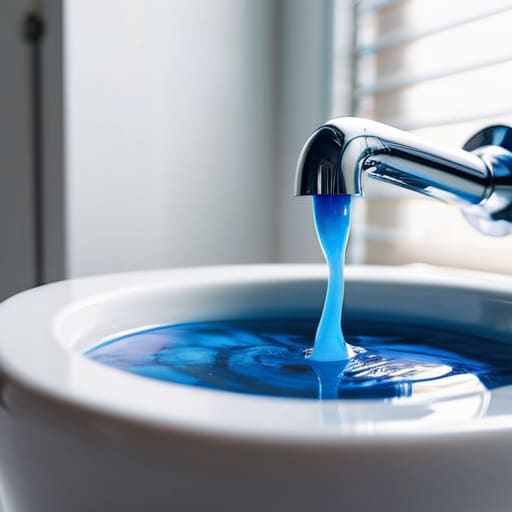
Look, I get it. Most advice on water conservation sounds like a chore—like you need to install some high-tech, expensive greywater recycling system just to feel like you’re doing your part. But honestly? Most of those “solutions” are just more stuff to maintain. If you want real water conservation techniques that don’t require a degree in engineering, start with the low-hanging fruit. Check your toilet for leaks by dropping a bit of food coloring in the tank; if it seeps into the bowl without flushing, you’re literally flushing money down the drain. It’s a five-minute fix that actually makes a dent in your utility bill.
I also stopped buying those fancy, oversized showerheads that feel like a spa but waste gallons of water every single minute. I swapped mine for a high-pressure, low-flow model. It feels just as good, but it’s a much smarter way to reduce your household carbon footprint without changing your entire routine. Also, if you’re like me and tend to leave the tap running while you’re scrubbing dishes or brushing your teeth, just stop. It sounds basic, I know, but it’s one of those small, mindless habits that adds up to a massive amount of wasted resources over a month. Stick to what’s functional.
Stop Buying "Green" Junk: Low-Cost Habits That Actually Cut Waste
- Ditch the single-use plastic trash bags for actual reusable bins or just wash out your old containers; most “eco-friendly” replacement bags are just more expensive plastic with a leaf printed on them.
- Stop buying specialized cleaning sprays for every single surface in your apartment; a mix of white vinegar, water, and a drop of dish soap handles 90% of my cleaning and costs a fraction of the price.
- Stop throwing away food scraps just because they look “ugly”—if it’s not moldy, it’s fine to eat, and if it is, just toss it in a small container in your freezer until you can find a way to compost it properly.
- Stop replacing your entire wardrobe every time a trend hits; focus on buying high-quality basics that actually last, or better yet, hit up a thrift store so you aren’t dumping money into fast fashion that ends up in a landfill in six months.
- Stop letting your “smart” devices run your life; unplug your chargers and small electronics when you aren’t using them, because “vampire power” is just a fancy way of saying you’re paying for electricity you aren’t even using.
The Bottom Line: Stop Overcomplicating It
Forget the expensive “smart” gadgets for a second; start with the basics like sealing window drafts and fixing leaky faucets to see immediate savings.
Sustainability isn’t about buying a whole new set of eco-branded products; it’s about using what you already have more efficiently.
If a green habit feels like a chore that takes too much time, you won’t do it—so pick the low-effort, high-impact changes first.
Cut the Fluff and Just Start
Look, I know it feels like you need a massive budget and a degree in environmental science to live “green,” but that’s just marketing noise. We’ve covered how to stop bleeding money through leaky faucets and how to tweak your energy usage so you aren’t paying for heat you aren’t even using. Whether it’s swapping out old bulbs or just being more mindful of your water flow, the goal isn’t to achieve some impossible standard of perfection. It’s about eliminating the waste that’s currently draining your bank account. If a change doesn’t make your home more efficient or your wallet a little thicker, don’t bother with it. Focus on the high-impact, low-effort stuff first.
At the end of the day, being eco-friendly shouldn’t feel like a second full-time job. I grew up in a space where we didn’t have the luxury of being wasteful, so I view sustainability as a survival skill, not a lifestyle aesthetic. You don’t need a Pinterest-perfect zero-waste kitchen to make a difference; you just need to stop buying things you don’t need and fixing what you already have. Stop waiting for the perfect moment to overhaul your entire life. Just pick one thing from this list, do it today, and move on to the next. That’s how you actually make it work.
Frequently Asked Questions
I want to go green, but am I actually going to see a difference in my utility bills this month?
Look, I’ll be real with you: you aren’t going to see a massive drop in your bill overnight just because you swapped a lightbulb. That’s a myth. Real savings come from behavior shifts and stopping leaks. If you fix a dripping faucet or actually turn off the AC when you leave, you’ll see a dent in next month’s statement. It’s about cumulative small wins, not some magic eco-switch. Focus on the high-drain stuff first.
What are some cheap, DIY ways to stop drafts without spending a fortune on professional weatherstripping?
Look, don’t go buying those expensive professional weatherstripping kits unless you actually have the budget for it. If you’re feeling a draft, grab some old towels or even thick socks you don’t wear anymore. Roll them up tight and shove them at the base of your doors—it’s basically a DIY draft stopper. For windows, some cheap clear caulk or even just heavy curtains can do the trick. It’s not pretty, but it works.
Is it actually worth buying expensive "eco-friendly" cleaning products, or can I just use vinegar and baking soda?
Look, if you’re paying $15 for a “botanical-infused” glass cleaner just because the bottle looks cute on a shelf, you’re getting scammed. Save your money. Vinegar and baking soda are the ultimate budget hacks. Vinegar kills most bacteria and cuts through grease like a charm, and baking soda is your best friend for scrubbing sinks. It’s not “aesthetic,” but it works, it’s cheap, and it actually gets the job done without the marketing markup.
How do I start composting in a tiny apartment without it becoming a smelly, expensive mess?
Look, don’t go buying some $100 designer compost bin. You don’t need it. Since you’re tight on space, grab a small, airtight plastic tub and a handful of shredded newspaper. Use the “Bokashi” method—it’s basically fermenting your scraps with a specific bran. It’s compact, doesn’t smell like a landfill, and fits right under your sink. It’s low-effort, low-cost, and actually works for small-scale living.