Stop wasting your hard-earned paycheck on those $12 artisanal, small-batch, “hand-blended” spice tins you see all over your feed. Seriously, most of those pre-mixed rubs are just glorified salt with a fancy label, and they’re killing your budget for no reason. When I was living in that tiny studio apartment with barely enough room for a toaster, I realized that learning how to season food isn’t about having a cabinet full of niche powders; it’s about mastering the basics so you can make a $2 bag of lentils taste like a gourmet meal. You don’t need a curated spice rack to make things edible—you just need to stop falling for the aesthetic marketing trap.
I’m not going to give you some complicated, twelve-step culinary ritual that requires a professional kitchen and three hours of prep. Instead, I’m going to show you the high-impact, low-effort way to build flavor using nothing but a few pantry staples you probably already own. We’re focusing on the functional essentials that actually move the needle on taste without draining your bank account. Let’s get into the real way to make your meals actually worth eating.
The Difference Between Seasoning and Spicing
Look, I see people use these terms interchangeably all the time, but if you want to stop making bland-as-hell meals, you need to get this straight. There is a massive difference between seasoning and spicing, and mixing them up is why your dinner tastes “flat” even when you’ve added a ton of powder.
Think of seasoning as the foundation. It’s about enhancing natural flavors that are already there. When I’m prepping chicken, I’m not trying to make it taste like a curry; I’m just trying to make it taste like the best damn chicken possible. That means salt is your MVP. Salt doesn’t just make things salty; it acts as a volume knob for flavor. If you aren’t balancing salt and acid (like a squeeze of lemon or a splash of vinegar) at the end, your food will always feel heavy and one-dimensional.
Spicing, on the other hand, is about adding a new direction. This is where you bring in the heat, the earthiness, or the sweetness. While seasoning pulls the existing flavor forward, spices introduce a whole new profile. You don’t need a cabinet full of fifty different jars; you just need a few essential spice pantry staples like cumin, smoked paprika, or crushed red pepper to change the vibe of a dish entirely.
Building a Functional Kit for Every Meal
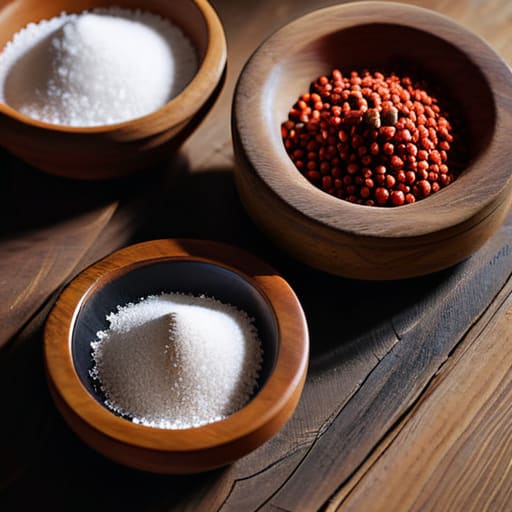
Look, you don’t need a massive, floor-to-ceiling spice rack that looks like a prop from a cooking show. Most of those specialty blends are just overpriced dust that sits there collecting grease. If you want to actually cook without breaking the bank, you need to focus on essential spice pantry staples that do the heavy lifting. I’m talking about the basics: kosher salt, cracked black pepper, garlic powder, onion powder, and maybe some smoked paprika if you want a little depth. If you have these on hand, you can fix almost any mediocre meal.
The real secret to a functional kit isn’t just about adding more stuff; it’s about knowing how to manipulate what you have. You need to understand the mechanics of balancing salt and acid to make your food pop. If a dish tastes “flat,” don’t just dump more salt in there—that’s a rookie mistake. Usually, it needs a squeeze of lemon or a splash of vinegar to wake everything up. Keep a bottle of apple cider vinegar or some limes in the fridge, and you’ve got a tool that works harder than any expensive spice blend ever could.
5 No-Nonsense Rules for Seasoning Like a Pro
- Stop eyeballing everything. I know, “a pinch of this” sounds vibe-y, but if you’re actually trying to make a decent meal, get a cheap measuring spoon set. Consistency is how you actually learn what tastes good without ruining a whole pan of expensive protein.
- Salt early and often. If you wait until the food is finished to add salt, you’re just seasoning the surface. If you want flavor to actually penetrate the meat or the veggies, hit them with it while they’re cooking. It’s basic chemistry, not magic.
- Acid is your secret weapon when a dish tastes “flat.” If you’ve added salt and it still feels like something is missing, don’t just dump more salt in like a maniac. Add a squeeze of lemon or a splash of vinegar. It brightens the whole thing up instantly.
- Layer your flavors. Don’t just dump everything in at the end. Start with your heavy hitters like garlic or onion powder in the oil, then add your dried herbs mid-way, and save the fresh stuff for the very last second. It builds depth instead of just tasting like one big blur.
- Taste as you go. This sounds obvious, but people skip it because they’re in a rush. Grab a clean spoon and taste your food at every stage. You can’t fix a dish once it’s on the plate, so catch the mistakes while they’re still in the pan.
The Bottom Line on Flavor
Stop overcomplicating things with expensive, pre-mixed spice blends; stick to the basics like salt, pepper, and garlic powder to save money and keep your pantry functional.
Learn the distinction between seasoning to enhance natural flavors and spicing to change them, so you don’t accidentally ruin a good ingredient.
Focus on building a small, versatile kit of high-impact staples rather than buying a massive, dusty spice rack that you’ll only use once.
Stop Overthinking Your Pantry
Look, at the end of the day, you don’t need a hundred different jars taking up space in your cramped kitchen. If you’ve mastered the difference between seasoning for depth and spicing for heat, and you’ve got your basic kit of salt, pepper, garlic powder, and maybe one or two versatile blends, you’re already ahead of most people. Stop letting those fancy, expensive specialty rubs intimidate you. Most of them are just overpriced fillers that you can easily replicate with basic pantry staples you probably already own. The goal isn’t to have a gourmet pantry that looks good on camera; it’s to have a functional setup that makes your Tuesday night dinner actually taste like something without breaking your budget.
Cooking shouldn’t be another chore on your massive to-do list, and it definitely shouldn’t be a source of stress. Once you get the hang of these fundamentals, you’ll realize that flavor is something you can control, not something you have to buy in a pre-packaged box. Don’t be afraid to experiment, but keep it grounded in what works. Start small, trust your taste buds, and remember that consistency beats complexity every single time. You’ve got the tools and the knowledge now—so just go in there, throw some salt on that pan, and make it work.
Frequently Asked Questions
Is there a specific order I should add these to my food so I don't burn them or end up with a gritty texture?
Look, there’s definitely a hierarchy here. If you toss dried herbs into a hot pan right away, they’ll burn and taste like bitter ash. Start with your heavy hitters—salt, pepper, and garlic powder—right at the beginning so they can actually penetrate the food. Save the delicate stuff, like dried basil or parsley, for the last few minutes of cooking. It keeps the flavor bright without that gritty, burnt texture.
Can I use cheap, generic brands of salt and pepper, or does the quality actually make a difference in the end?
Look, don’t let some gourmet influencer tell you that you need $15 artisanal sea salt to make dinner edible. Save your money. Generic table salt and standard black pepper work perfectly fine for 95% of what you’re cooking. The only time I actually bother upgrading is when I’m using coarse kosher salt for finishing a dish or getting a decent pepper mill. For everything else? Just grab the store brand and keep the change.
How do I know if I've over-seasoned something and it's already too far gone to fix?
If it tastes like a salt lick or your tongue is literally stinging from spice, you’ve hit the wall. If it’s just slightly too salty, don’t toss it—dilute it. Add more unsalted starch (rice, pasta) or a splash of acid like lemon juice to balance it out. But if you’ve dumped half a jar of cayenne into a tiny pot? Yeah, it’s gone. Save your sanity and just start over.
What are the absolute bare-minimum spices I need to buy if I'm on a super tight budget?
Look, if your bank account is screaming, stop browsing the international aisle. You don’t need a spice rack with forty jars. Just grab salt, black pepper, garlic powder, and maybe some crushed red pepper or dried oregano. That’s it. Salt makes things taste like food; garlic powder makes things taste like good food. If you have those four, you can fix almost any cheap meal without breaking the bank. Focus on the basics.