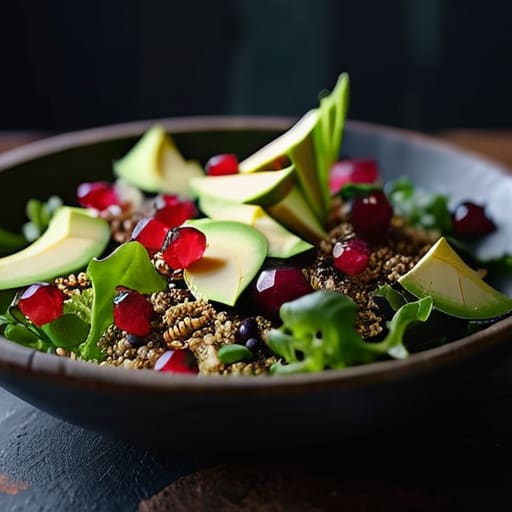
Stop wasting your money on those pre-packaged “gourmet” salad kits that cost ten bucks and leave you hungry twenty minutes later. I used to think that knowing how to make salad interesting meant buying expensive organic microgreens or fancy imported oils just to make a bowl of leaves edible. Honestly? That’s just marketing nonsense designed to drain your bank account. When I was living in that tiny apartment with next to no kitchen space, I realized that “interesting” doesn’t mean “expensive”—it means actually adding substance so you aren’t just chewing on flavored water.
I’m not going to give you a list of aesthetic, Pinterest-perfect toppings that take an hour to prep. Instead, I’m going to show you how to use basic pantry staples and leftover scraps to build a meal that actually hits the spot. We’re talking about high-impact, low-effort hacks that focus on texture and salt rather than looking pretty for a camera. If a tip doesn’t save you time or make the meal more filling, I’m not including it. Let’s get to work.
Mastering Flavor Balancing in Salads Without the Effort
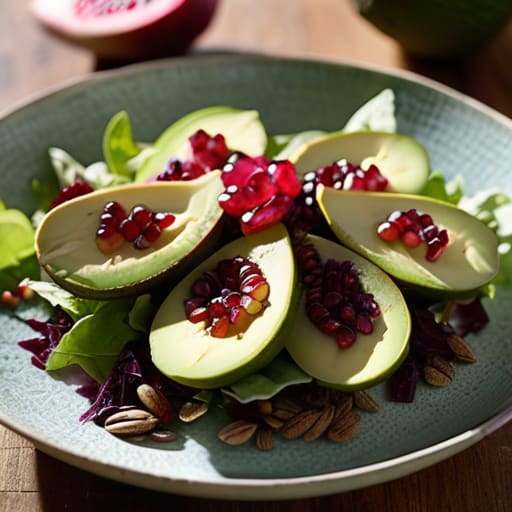
Most people fail at salads because they treat them like a side dish instead of a real meal. You end up with a bowl of wet leaves that tastes like nothing, and then you’re reaching for a bag of chips ten minutes later. The secret isn’t some fancy, expensive ingredient list; it’s about flavor balancing in salads using what you already have in your pantry. You need that hit of acid—think lemon juice or apple cider vinegar—to cut through the heavy stuff, paired with a little fat like avocado or olive oil. If it tastes flat, it’s probably missing salt or acid, not “gourmet” magic.
Don’t get bogged down in complex recipes either. If you want to actually feel full, stop skipping the heavy hitters and focus on protein additions for salads like a hard-boiled egg, canned chickpeas, or even some leftover shredded chicken from last night’s dinner. To keep it from feeling like mush, you have to prioritize adding texture to salads. Throw in some sunflower seeds, crushed pita chips, or even those stale croutons you forgot about. If there’s no crunch, your brain won’t register it as a satisfying meal, and you’ll just end up frustrated and hungry.
The Only Salad Dressing Combinations Worth Your Time
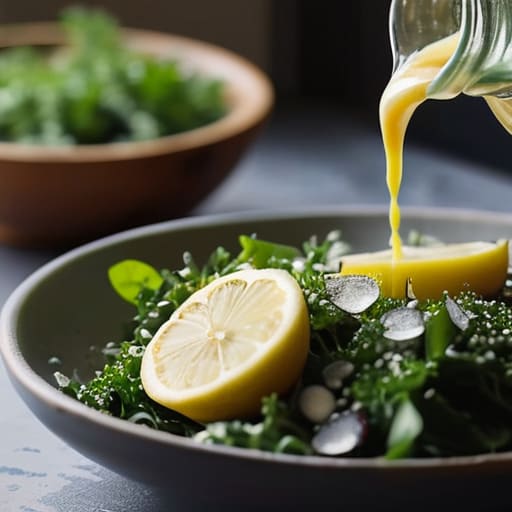
Look, I don’t have the energy for a pantry full of twenty different bottled dressings that all taste like vinegar and sugar. Most of those “gourmet” options are just marketing fluff. If you want to actually enjoy your lunch, you only need to master two or three reliable salad dressing combinations that work with whatever random scraps you have in the fridge. My go-to is a basic lemon-tahini whisk: lemon juice, tahini, a splash of warm water, and garlic powder. It’s creamy, it’s cheap, and it makes even the sadder, wilted greens feel like a real meal. If you’re feeling more classic, just do high-quality olive oil, balsamic, and a heavy hand of Dijon mustard. It’s foolproof.
The real secret to not feeling like you’re just chewing on grass is adding texture to salads at the same time you’re dressing them. A dressing shouldn’t just sit on top; it should act as the glue for your healthy salad toppings. I always keep a jar of toasted sunflower seeds or some crushed walnuts in my pantry. When you hit that crunch right as the acidity of the dressing kicks in, you actually feel satisfied. It’s about making the meal functional so you aren’t reaching for a bag of chips ten minutes later.
Stop Making "Side Salads" and Start Making Actual Meals
- Texture is everything. If your salad is just soft leaves, you’re going to be hungry in twenty minutes. Throw in something crunchy like toasted sunflower seeds, crushed pita chips, or even those weirdly good spicy corn chips to give your brain something to actually do while you chew.
- Use your leftovers as protein. I don’t have time to cook a separate chicken breast just for a salad. If there’s leftover steak, roasted veggies, or even a hard-boiled egg from breakfast sitting in the fridge, throw it in. It’s free, it’s easy, and it makes the salad a real meal.
- Don’t fear the “strong” stuff. A salad needs a punch. Add something fermented like kimchi or pickled onions to give it that hit of acid that cuts through everything else. It’s way better than just dumping a bunch of salt on it.
- Mix your greens, don’t just buy one bag. Buying a massive tub of just romaine is a waste of money because it gets slimy in three days. Mix a bag of arugula with some spinach or even some shredded cabbage. It adds variety and usually lasts longer in the fridge.
- Season your greens before you dress them. This sounds extra, but it’s not. A tiny pinch of salt and pepper directly on the leaves before you pour on the dressing makes a massive difference in how much the flavors actually pop. It’s the difference between a bland pile of grass and something you actually want to eat.
The Bottom Line: Stop Overcomplicating Your Greens
Forget the 20-ingredient recipes; just focus on hitting acid, fat, and crunch to make a salad actually feel like a meal.
Stop buying overpriced, pre-made dressings that are mostly sugar—keep a bottle of olive oil, some vinegar, and a jar of Dijon in your fridge and you’re set for life.
Use what you already have; a handful of leftover roasted veggies or some crushed nuts is way more efficient than running to the store for “specialty” toppings.
Stop Settling for Sad Bowls
Look, we’ve covered a lot, but it really boils down to this: stop treating your salad like an afterthought or some punishment for eating too much pizza. You don’t need a grocery list a mile long or some expensive, artisanal vinaigrette that costs more than your actual lunch. It’s about the basics—balancing your acid and fat, throwing in some actual texture so you aren’t just chewing wet leaves, and using the stuff you already have in your pantry. If you master a few solid dressing combos and stop being afraid of a little crunch, you’ll stop reaching for the takeout menu every time you need something green. It’s about making the food work for you, not the other way around.
At the end of the day, I don’t care if your salad looks like a Pinterest board or if it’s just a pile of ingredients in a mismatched bowl. I just want you to eat something that actually satisfies you without draining your bank account or wasting an hour of your life. Life is messy, your schedule is probably packed, and your kitchen might be tiny, but you deserve a meal that doesn’t feel like a chore. Stop chasing the aesthetic and just start building bowls that actually fuel you. You’ve got this.
Frequently Asked Questions
I don't have time to prep everything; what are the best "set it and forget it" toppings I can keep in the fridge?
Look, if you’re like me and your brain is fried by 6 PM, you can’t be chopping cucumbers every single night. Keep a jar of pickled red onions, some feta cheese, and pre-washed sprouts in the fridge. They require zero prep and add instant texture and acid. Also, keep hard-boiled eggs or canned chickpeas on hand. They’re basically “plug and play” protein—toss them in, and suddenly your sad bowl of greens actually feels like a real meal.
How do I stop my greens from turning into a soggy, sad mess by the next day?
Stop washing your greens right before you store them. That’s a recipe for immediate rot. If you must wash them, use a salad spinner to get them bone-dry—moisture is the enemy. Once dry, layer them in a container with a clean paper towel at the bottom and another on top to soak up any stray humidity. It’s a tiny bit of extra effort that keeps your greens crisp for days instead of turning them into slime.
I’m on a tight budget—can I make these salads feel high-end using just basic pantry staples?
Look, you don’t need truffle oil or expensive imported cheeses to stop feeling like you’re eating sad grass. High-end flavor is just science, not a price tag. Grab some old bread, tear it up, and toast it in a pan with garlic powder and salt—boom, homemade croutons. Use those basic pantry seeds or even crushed peanuts for crunch. If you’ve got vinegar and oil, you’ve got a restaurant-quality dressing. Keep it simple.
Is there a way to make a salad actually filling so I'm not reaching for chips twenty minutes later?
Look, if your salad is just leaves and cucumbers, you’re basically eating expensive water. You’re going to crash and hunt for chips because your body is screaming for actual fuel. Stop skipping the heavy hitters. Throw in a massive scoop of chickpeas, some leftover roasted chicken, or even a hard-boiled egg. You need protein and healthy fats—think avocado or sunflower seeds—to actually signal to your brain that you’re full. Build it like a meal, not a side dish.