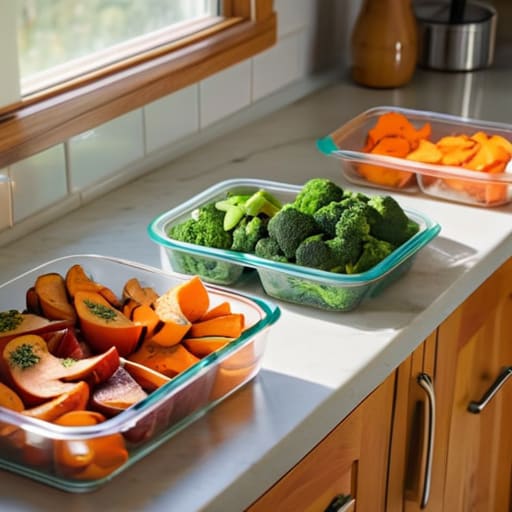
If I see one more “aesthetic” meal prep video featuring twenty identical, color-coded glass containers and enough organic microgreens to fund a small nation, I’m going to lose it. We need to stop pretending that make ahead meals have to look like a Pinterest board to be effective. I grew up in a tiny apartment where every square inch of counter space was a premium resource, and I learned early on that if a system is too complicated to maintain when you’re exhausted after a ten-hour shift, it’s a failure. You don’t need a professional kitchen or a massive budget to stop eating takeout every single night.
I’m not here to sell you on a lifestyle overhaul or some overpriced subscription box; I’m here to give you the actual, unpolished blueprint for eating well without wasting your entire Sunday. I’m going to show you how to build a rotation of high-efficiency meals that prioritize maximum flavor and minimum cleanup. We’re focusing on recipes that actually hold up in the fridge and strategies that work for people with zero spare time. Let’s get into the stuff that actually works.
Smart Weekly Meal Planning Strategies That Actually Work
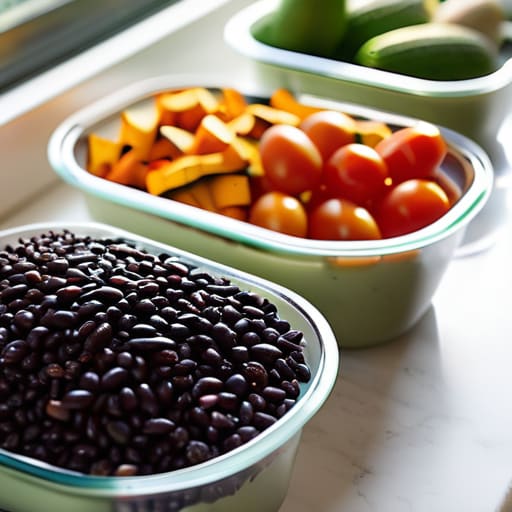
Look, if you’re trying to plan your entire week by staring at a blank piece of paper on a Tuesday night, you’ve already lost. The secret isn’t a color-coded planner; it’s about budget friendly batch cooking. Instead of cooking five different recipes, pick two massive bases—like a giant pot of seasoned quinoa or a tray of roasted sweet potatoes—and use them as building blocks. You can pivot from a Mediterranean bowl on Monday to a spicy taco salad on Wednesday just by swapping the toppings. It stops the “decision fatigue” that usually leads to me spending $25 on mediocre takeout.
Another thing: stop treating every meal like a gourmet event. If you want to actually stick to this, you need nutritious grab and go lunches that don’t require a microwave or a prayer to stay edible. I swear by the “component method.” Prep your proteins, grains, and greens separately. This gives you the flexibility to mix and match based on what you’re actually craving that day, rather than being stuck with a soggy, pre-assembled mess. And please, invest in decent meal prep containers for freezing; if you can’t toss it in the freezer for a rainy day, you aren’t actually planning, you’re just cooking extra.
Budget Friendly Batch Cooking for Maximum Savings
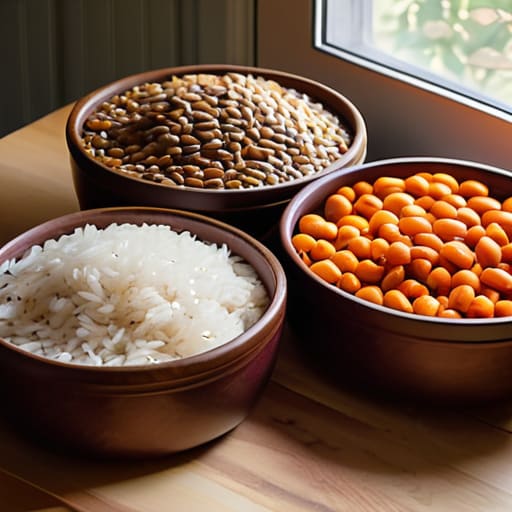
Look, if you’re buying pre-packaged salads or those overpriced “healthy” frozen bowls every time you’re too tired to cook, you’re essentially throwing money into a paper shredder. Real budget friendly batch cooking isn’t about fancy ingredients; it’s about buying staples in bulk—think dried lentils, big bags of rice, or whatever meat is on sale that week—and turning them into versatile bases. I don’t care if it’s not “aesthetic.” If I can buy a five-pound bag of oats and a flat of eggs for a fraction of the cost of breakfast sandwiches, I’m doing that every single time.
The real secret to making this stick is investing in decent meal prep containers for freezing. Don’t bother with the cheap, flimsy plastic that cracks the second it hits a freezer burn; get the glass or heavy-duty stuff that actually survives a microwave. I usually spend my Sunday afternoon making one massive pot of something—like a spicy black bean chili or a hearty vegetable stew—and portioning it out immediately. It’s not about being a gourmet chef; it’s about eliminating the decision fatigue that leads to expensive takeout orders when your brain is fried after a long shift.
5 Low-Effort Hacks to Stop the Sunday Meal Prep Burnout
- Don’t try to cook five different recipes in one go; you’ll end up with a mountain of dishes and zero motivation. Pick one “base” protein—like a massive batch of shredded chicken or seasoned ground turkey—and use it across three different meals so you aren’t constantly starting from scratch.
- Invest in actual, decent-quality glass containers instead of those cheap plastic ones that stain and warp. It’s a one-time cost that actually saves you money because you won’t be constantly replacing them, and they don’t make your leftovers taste like a chemistry experiment.
- Use the “component method” rather than full meal assembly. Instead of making individual Tupperware boxes that get soggy by Wednesday, prep separate containers of grains, roasted veggies, and proteins. It gives you the flexibility to mix and match so you don’t get bored and end up ordering takeout.
- Stop ignoring your freezer; it’s your best friend for avoiding food waste. If you realize you made too much chili or pasta sauce, portion it out into single-serving bags immediately. It’s basically an “emergency meal” for those nights when you’re too exhausted to even look at a stove.
- Embrace the “semi-homemade” reality. There is zero shame in buying a pre-washed bag of spinach or a rotisserie chicken to shave twenty minutes off your prep time. If a shortcut saves you the mental energy required to actually stick to your plan, it’s a win.
The Bottom Line: Stop Overcomplicating Your Kitchen
Stop trying to cook five different recipes; pick two versatile bases (like a big batch of grains or roasted protein) and swap the seasonings so you don’t get bored by Wednesday.
If a meal takes more than two hours of active prep on a Sunday, it’s too much—aim for high-impact, low-effort dishes that actually fit into a real work week.
Invest in actual, functional storage containers, not the aesthetic ones; if you can’t see what’s inside or they don’t stack properly, they’re just taking up space you don’t have.
Stop Overcomplicating Your Kitchen
Look, we’ve covered a lot of ground here, from building a realistic weekly plan to making sure your grocery bill doesn’t eat your entire paycheck. The goal isn’t to become a Michelin-star chef on a Sunday afternoon; it’s about using smart, repetitive systems so you aren’t making a hundred tiny decisions when you’re exhausted on a Tuesday night. Whether you’re batch-cooking grains or freezing up high-protein stews, remember that the most efficient system is the one you can actually maintain without burning out. If a meal prep method feels like a chore that takes more time than it saves, toss it. Stick to the basics, keep your containers organized, and focus on food that fuels you rather than just looks good on a grid.
At the end of the day, your kitchen should work for you, not the other way around. I spent years trying to keep up with “aesthetic” meal prep trends that were basically just expensive ways to waste time, and it never worked. Real productivity is about reclaiming your evening hours so you can actually sit down, decompress, and maybe even work on something you actually enjoy—like that mechanical keyboard project or just staring at a wall in peace. Stop chasing the perfect lifestyle and start building a functional one. Get your prep done, get your time back, and stop stressing about dinner.
Frequently Asked Questions
How do I stop my prepped meals from turning into a soggy, sad mess by Wednesday?
The “soggy mess” problem usually comes down to one mistake: putting hot food straight into a container. You’re trapping steam, and that steam turns into mush by Wednesday. Let your food cool completely on the counter first. Also, keep your sauces separate. Don’t drown your grains or proteins in dressing on Sunday; keep a tiny jar of sauce on the side and add it right before you eat. Texture is everything.
Is it actually worth the effort to prep every single meal, or should I just focus on the big stuff?
Look, if you try to prep every single bite, you’re going to burn out by Tuesday. That’s a recipe for wasted food and wasted energy. Don’t do it. Focus on the “high-impact” stuff: your proteins, a big batch of grains, and maybe one versatile sauce. If you have the base layers ready, you can throw a random salad or an egg on top in two minutes. Prep the heavy lifting, not the tiny details.
What are the best containers to use if I don't want to spend a fortune on matching glass sets?
Look, skip the expensive, aesthetic glass sets you see on Pinterest. They’re a trap. If you want to save money, go to a discount store and grab a bulk pack of BPA-free plastic containers. They’re lightweight, indestructible, and way cheaper to replace when you inevitably lose a lid. Just make sure they’re microwave-safe and stackable. Honestly, as long as they seal tight and don’t leak in your bag, who cares if they don’t match?
How do I keep my meals from tasting exactly the same every single day?
The “flavor fatigue” is real, and it’s usually because we’re just reheating the same exact pile of chicken and rice. Here’s the fix: don’t batch-cook complete meals; batch-cook components. Prep a neutral protein and a grain, then swap the profiles. Use a spicy gochujang sauce one night, a lemon-tahini drizzle the next, and some pesto on Wednesday. It’s the same base, but totally different vibes. Keep your spices separate, not pre-mixed.