
You don’t need to drop fifty bucks on a specialized “industrial hinge lubricant” just because some hardware store clerk told you so. Honestly, most of those expensive sprays are just fancy marketing designed to drain your bank account, and I’m not about that life. I grew up in a tiny apartment where every single sound felt amplified, and nothing drove me crazier than that piercing, rhythmic screech every time my bedroom door moved. I spent way too many nights thinking I needed a contractor, only to realize that learning how to fix a squeaky door is actually a five-minute job you can do with stuff you probably already have in your kitchen or junk drawer.
I’m not here to give you a lecture on home maintenance or suggest any “aesthetic” DIY projects that look good on camera but actually fail after a week. Instead, I’m going to show you the actual way to silence that noise using basic tools and household staples. We’re going to focus on the fastest, cheapest methods to get your hinges moving silently again without wasting your precious weekend. Let’s just get it done so you can stop losing your mind over a little bit of friction.
Guide Overview
Tools & Supplies
- Screwdriver (to tighten loose hinge screws)
- Microfiber cloth (to wipe away excess lubricant)
- Lubricant (1 can of WD-40 Specialist or 1 small bottle of silicone spray)
- Paper towels (1 roll for cleanup)
Step-by-Step Instructions
- 1. First, figure out exactly where the noise is coming from. I know it sounds obvious, but sometimes it’s not even the hinge; it could be the door rubbing against the frame or the floor because the house shifted. Open and close the door slowly and listen closely to pinpoint the source. If it’s definitely the hinge, move to step two.
- 2. Grab your multi-tool or a screwdriver and pull the hinge pins. You don’t need to take the whole door off the frame—that’s a massive waste of energy and you’ll probably end up with a bruised toe. Just find the pin in the middle hinge, tap it upward with something hard (like the handle of your screwdriver), and pull it out. Keep a small bowl or even a coffee mug nearby so you don’t lose the pin in your carpet.
- 3. Inspect the pin for any grit, rust, or old, gross gunk. If it looks nasty, wipe it down with a paper towel and some rubbing alcohol. If you’re feeling extra thorough, you can use a bit of fine sandpaper to smooth out any rough spots, but honestly, just getting the built-up grime off is usually enough to do the trick.
- 4. Now, apply your lubricant. I’m telling you right now, don’t go out and buy some “specialty hinge oil” that costs ten bucks. If you have WD-40 in a junk drawer, use it to clean the gunk, but for the actual lubrication, you want something that lasts. A little bit of lithium grease or even a drop of sewing machine oil is perfect. If you’re in a total pinch and have nothing else, a tiny bit of petroleum jelly (Vaseline) works in a heartbeat.
- 5. Coat the pin thoroughly. You don’t need to drown it—if it’s dripping everywhere, you’re just going to create a massive, oily mess on your floor that’ll be a nightmare to clean up. Just make sure the entire surface of the pin has a thin, even layer of whatever lubricant you chose.
- 6. Slide the pin back into the hinge carefully. Line it up with the holes and tap it back down with your tool until it’s seated firmly. Once it’s in, go ahead and swing the door a few times to work the lubricant into the mechanism. If it still makes a sound, you might need to repeat the process on the other hinges, but usually, one good application is all it takes.
- 7. Wipe away any excess oil immediately. This is the part people skip, and it’s why their doors end up covered in black streaks a week later. Take a clean rag or a paper towel and wipe down the hinge and the pin until everything looks clean and dry. Your door should now be silent, and you didn’t have to spend a dime on professional help.
Ditch the Wd 40 for Squeaky Doors for Better Results

Look, I know everyone reaches for that blue and yellow can the second they hear a noise, but using WD-40 for squeaky doors is actually a bit of a trap. Most people don’t realize that standard WD-40 is a solvent, not a long-term lubricant. It’ll strip away the old grease and kill the noise for a week, but then it evaporates, leaving your metal-on-metal hinges even drier than before. If you want to actually solve the problem instead of just masking it, you need something that stays put.
If you’re tired of constant maintenance, grab a can of silicone spray for hinges. It’s a game changer because it creates a slick, water-resistant barrier that doesn’t attract nearly as much dust and grit as oil does. If you’re on a zero-dollar budget, even a tiny bit of Vaseline or even some cooking oil from the kitchen can work in a pinch as household items to stop door squeaking. Just don’t expect them to last as long as a proper synthetic lubricant. My rule of thumb? Use the cheap stuff to get through the night, but invest in the silicone if you actually want to stop thinking about that annoying sound.
Essential Household Items to Stop Door Squeaking Right Now
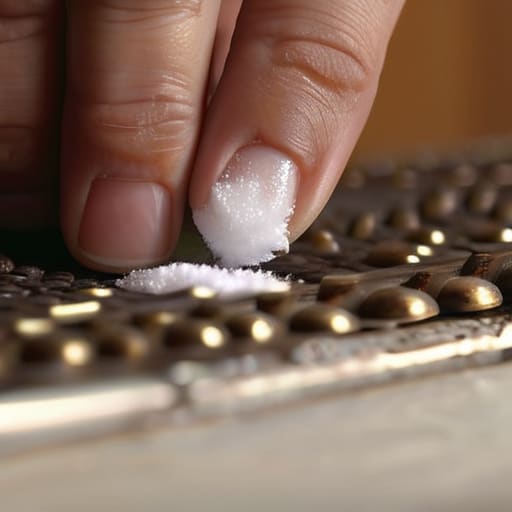
Look, if you aren’t ready to head to the hardware store, don’t sweat it. I grew up in a place where “buying something new” wasn’t really an option, so I’ve mastered the art of using what’s already in the cabinet. If you’ve got a bottle of cooking oil or even some Vaseline sitting in the kitchen or bathroom, you’re halfway there. Just grab a Q-tip, dab a tiny bit on the hinge, and work it in. It’s not a permanent fix like a professional lubricant, but it’ll kill that annoying sound immediately so you can actually focus on your work.
If you want something a bit more substantial without spending a fortune, check your junk drawer for a bit of graphite. If you have an old mechanical pencil, you can actually scrape the lead into a fine powder and work it into the joint. It’s a classic trick for lubricating door hinges when you don’t want to deal with the greasy mess that liquid oils can leave behind. Just a heads-up: it can be a little messy, so don’t go overboard. The goal is to be efficient, not to turn your door into a charcoal drawing. Keep it simple, use what you have, and stop letting a tiny noise ruin your headspace.
Pro-Tips to Keep the Noise Away for Good
- Don’t just spray and pray. If you don’t clean the old, crusty gunk out of the hinge first, you’re just layering new lubricant on top of old dirt, and it’ll start squeaking again in a week.
- Tighten your screws before you reach for the oil. Half the time, that “squeak” is actually just the metal rubbing because the hinge has shifted slightly. A quick turn with a screwdriver might save you the hassle of a mess.
- Less is more. I’ve seen people coat their entire door in grease trying to fix one noise, and all they end up with is a sticky, dust-collecting nightmare. A tiny drop or a quick wipe is all you actually need.
- Check your alignment. If the door is dragging against the frame, no amount of oil is going to fix that sound. If it’s rubbing, you might need to adjust the hinge pins or shave a tiny bit off the bottom.
- Keep a small tube of lithium grease in your junk drawer. It’s way more effective than cooking oil for long-term fixes, and it won’t go rancid or smell like a kitchen after a month.
The Bottom Line: Stop the Noise Without Breaking the Bank
Don’t run to the hardware store immediately; check your kitchen or junk drawer first for cooking oil, petroleum jelly, or even a bit of soap to kill the squeak.
Skip the expensive, specialized lubricants if you’re on a budget; most household hacks work just as well for a quick, functional fix.
Focus on the source—if the noise persists, it’s likely the hinge pin itself that needs a cleaning or a bit of grease, not just a surface spray.
Stop Letting the Noise Win
Look, at the end of the day, fixing a squeaky door isn’t some grand engineering project; it’s just about being proactive so you don’t have to deal with it later. We’ve covered the essentials: stop overcomplicating things with expensive specialty sprays and just use what you actually have in your kitchen or toolbox. Whether it’s a bit of cooking oil, some petroleum jelly, or a quick hit of WD-40, the goal is to get the friction out of the hinge and move on with your life. You don’t need a professional handyman or a massive budget to maintain your space; you just need to stop ignoring the small stuff before it becomes a constant annoyance that drives you crazy every time you walk through a room.
My philosophy has always been that your home should work for you, not against you. When you spend your time chasing aesthetic perfection or buying gadgets you don’t need, you’re just wasting energy that could be spent on things that actually matter. Fixing a door might seem trivial, but it’s part of a bigger habit: taking control of your environment with the tools you already own. Don’t let a little bit of metal-on-metal friction ruin your focus or your peace of mind. Fix what’s broken, keep it functional, and stop letting the small, annoying things drain your mental bandwidth. You’ve got this.
Frequently Asked Questions
What if I don't have any oil or lubricant in the house right now?
Look, I’ve been there—it’s 11 PM, the door is screaming, and your pantry is looking pathetic. If you’re truly tapped out on oils, grab a bar of soap or even a graphite pencil. Rub the dry soap directly onto the hinge pins, or take that pencil, scribble a bunch of lead onto a piece of paper, and rub the dust into the mechanism. It’s not pretty, but it works until your next grocery run.
How do I know if the squeak is actually the hinge and not the door rubbing against the frame?
Look, don’t waste your time lubing the hinges if the problem is actually a misaligned door. Here’s the quick test: grab a chair and prop it under the door to keep it steady, then try to wiggle the door itself. If it moves or feels loose in the frame, it’s a structural issue. If it stays still but still makes noise when you swing it, those hinges are definitely the culprits.
Won't using stuff like cooking oil eventually make the hinges all gunked up and dirty?
Look, you’re not wrong. If you use a massive amount of olive oil, yeah, you’re basically creating a sticky trap for dust and pet hair. It’ll get gross eventually. But here’s the thing: I’m talking about a tiny drop or a quick wipe to kill the noise now. If you want a permanent, clean fix, use a dry PTFE spray or lithium grease. But if you’re stuck in an apartment with zero budget, a little oil gets you through the week.
How often do I actually need to reapply these fixes so the noise doesn't come back?
Look, there’s no magic schedule, but if you used something like cooking oil or even some Vaseline, don’t expect it to last forever. Those are temporary band-aids. You’ll probably need to reapply every few months or whenever the squeak starts creeping back in. If you used a real lubricant like lithium grease, you’re probably set for a year. Honestly, just listen to the door. If it starts complaining, it’s time for another quick fix.