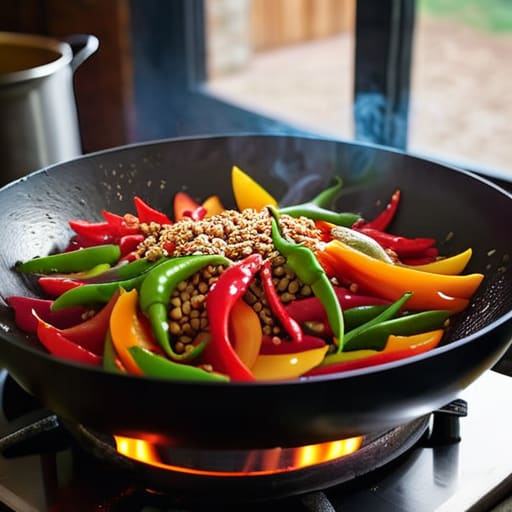
Stop scrolling through those aesthetic cooking videos where people spend forty minutes prepping “artisanally sliced” vegetables and expensive, niche sauces just to make one meal. Honestly, if a recipe requires a specialized wok and a grocery list that costs more than my monthly internet bill, it’s not a recipe—it’s a hobby. I grew up in a tiny apartment where a kitchen counter was basically a luxury, and I learned pretty quickly that learning how to make a stir fry shouldn’t feel like a high-stakes engineering project. You don’t need a curated pantry or a culinary degree; you just need heat, a pan, and the ability to throw things in before they burn.
I’m not here to give you a lecture on traditional techniques or tell you to buy organic dragon fruit. I’m going to show you the actual way to get a decent, filling meal on the table in under fifteen minutes using whatever is currently wilting in your crisper drawer. We’re focusing on maximum efficiency and minimal cleanup, because your time is way too valuable to waste on fancy garnishes that you’ll just end up throwing away.
Smart Vegetable Prep for Stir Fry to Save Your Sanity
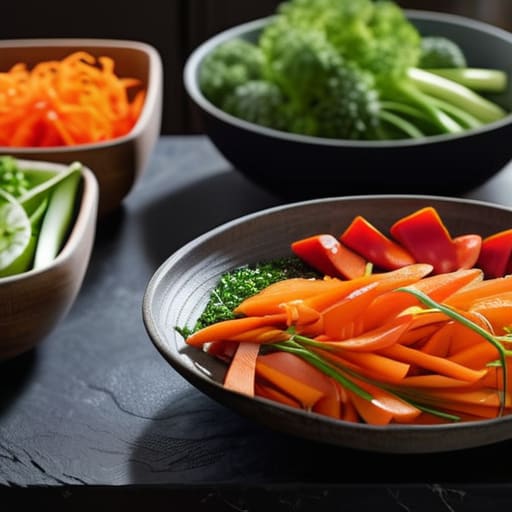
Look, if you’re still trying to hand-dice every single piece of broccoli into perfect, uniform cubes while your pan is already smoking, you’re doing it wrong. That’s how you end up with burnt garlic and raw veggies. Effective vegetable prep for stir fry is all about grouping by cook time. I always slice my “hard” stuff—carrots, bell peppers, or broccoli stems—first, and keep my leafy greens or thin sprouts in a separate bowl to toss in at the very last second. If you try to cook everything at once, you’ll end up with a soggy, sad mess instead of that crisp texture we’re actually after.
Don’t get caught up in the “aesthetic” of perfectly julienned vegetables either; nobody cares if your onions are slightly uneven when they’re being hit with intense heat. My rule of thumb is to keep the pieces roughly the same size so they cook through at a similar rate, but don’t waste twenty minutes on it. While you’re prepping, get your stir fry sauce ingredients mixed in a small jar or bowl beforehand. There is zero room for error once the heat is on, and you don’t want to be frantically searching for the soy sauce while your protein is turning into charcoal.
Protein Seasoning for Stir Fry That Actually Delivers Flavor
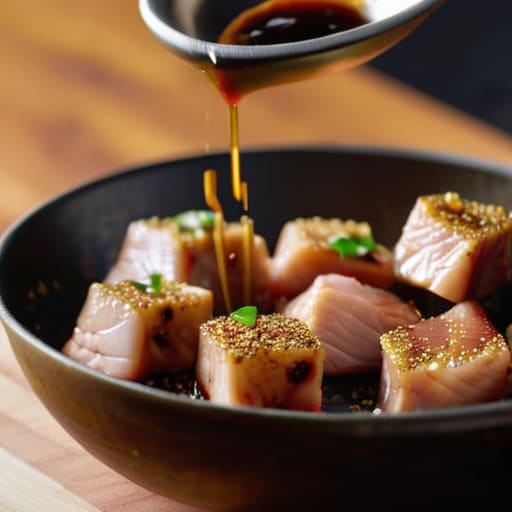
Look, if you’re still using just salt and pepper on your chicken or tofu, you’re doing it wrong. You don’t need a pantry full of exotic spices to make this taste good, but you do need a plan. I always keep a basic mix of soy sauce, garlic powder, and a hit of ginger in a small container. When you’re prepping your meat, toss it in that mixture about ten minutes before you hit the pan. This isn’t just about flavor; it’s about building a foundation so the protein doesn’t end up tasting like bland, boiled rubber once it hits the heat.
Once your protein is seasoned, don’t just dump it in and hope for the best. If you want that restaurant-quality sear, you need to master a few basic high heat cooking methods. I usually sear the protein in batches. If you crowd the pan, the temperature drops, the juices leak out, and you end up steaming your dinner instead of frying it. Get that pan screaming hot, sear the edges until they’re slightly crispy, and then pull them out. This keeps the protein juicy while you handle the veggies, making it one of my favorite quick weeknight meal ideas when I’m too tired to actually “cook” but too broke to order takeout.
5 Ways to Stop Overcomplicating Your Stir Fry
- Heat the pan until it’s actually smoking before you touch anything. If you drop your food into a lukewarm pan, you’re not stir-frying; you’re just boiling your vegetables in their own juices, and it’ll turn into a soggy mess.
- Stop trying to use every vegetable in your crisper drawer. Pick three that actually cook at a similar rate—like broccoli, carrots, and peppers—so you aren’t stuck waiting twenty minutes for one thing to soften while the others turn to mush.
- Don’t crowd the pan. I know it’s tempting to dump the whole bag of frozen peas in there, but if you pile the food too high, the temperature drops and you lose that sear. Cook in batches if you have to; it’s better than eating mush.
- Use a pre-made sauce base or just keep a “holy trinity” of soy sauce, toasted sesame oil, and garlic powder on hand. Don’t spend thirty minutes measuring out exotic spices when a quick splash of the basics gets the job done just as well.
- Prep everything before you turn on the stove. Once that heat is up, things move fast. If you’re still peeling ginger while your garlic is burning, you’ve already lost the battle. Have your bowls of chopped stuff ready to go.
The Bottom Line for a Stress-Free Stir Fry
Stop obsessing over perfect knife skills; just get your veggies chopped into bite-sized pieces so they cook evenly and you can actually eat.
Don’t skip the seasoning step, but don’t overcomplicate it either—just make sure your protein is well-coated before it hits the pan so you aren’t left with bland, sad chunks.
Prioritize speed and function over aesthetic plating; if it tastes good and didn’t cost you an hour of cleaning, you’ve won.
Stop Overthinking It and Just Eat
Look, we’ve covered the essentials: prep your veggies in a way that doesn’t leave you with a mountain of dishes, and don’t skimp on seasoning your protein so it actually tastes like something. The whole point of a stir fry isn’t to replicate a Michelin-star dish; it’s to get a nutritious, hot meal on the table without spending your entire evening standing over a stove. If your slices aren’t perfectly uniform or you accidentally used frozen peas instead of fresh snap peas, it doesn’t matter. As long as it’s cooked through and tastes good, you’ve won. You’ve saved money on takeout and you’ve reclaimed your time, which is the real goal here.
At the end of the day, cooking shouldn’t be another high-pressure task on your to-do list that drains your battery. Use the tools you have, embrace the mess, and remember that perfection is the enemy of progress. Once you master this basic framework, you can start swapping ingredients based on whatever is on sale at the grocery store or whatever is actually in your fridge. Stop waiting for the “perfect” moment to start eating better and just start cooking. Your future, less-stressed self will thank you.
Frequently Asked Questions
What if my vegetables end up mushy instead of crunchy?
Look, mushy veggies are a total vibe killer. It usually happens because you’re crowding the pan or using too much liquid. If you dump everything in at once, the temperature drops, the veggies start steaming instead of searing, and you end up with a sad, soggy mess. Keep the heat high, cook in batches if you have to, and add the harder stuff—like carrots—first. Don’t overthink it; just keep things moving.
Do I really need a wok, or can I just use a regular pan I already have?
Look, if you’re waiting for a fancy wok to arrive before you start cooking, you’re just wasting time. You don’t need one. A heavy-bottomed skillet or even a large frying pan works totally fine. Just don’t crowd the pan—if you dump too much in at once, the temperature drops and you end up steaming your food instead of searing it. Keep it moving, keep the heat high, and just get it done.
How do I stop the sauce from turning into a watery mess at the bottom of the pan?
Look, the “watery soup” situation is usually because you’re dumping too much liquid in at once or your pan isn’t hot enough to evaporate the moisture. Stop using massive amounts of broth. Instead, mix your soy sauce, aromatics, and a teaspoon of cornstarch in a small jar before you hit the pan. Pour that slurry in at the very end. It thickens instantly, coats everything, and saves you from a soggy, sad dinner.
Can I use frozen veggies, or is that just going to ruin the whole texture?
Look, if you’re staring at a bag of frozen peas and wondering if it’s worth the effort, the answer is yes—but don’t treat them like fresh produce. If you toss them straight from the freezer into the pan, they’ll steam and turn into mush. My hack? Sauté them separately on high heat first to cook off that excess moisture, or just throw them in at the very last second. It’s about efficiency, not perfection.